Veerle Dielen · Elementary teacher · November 17, 2025 · Per Times Table
Why the 3 Times Table Is Underrated
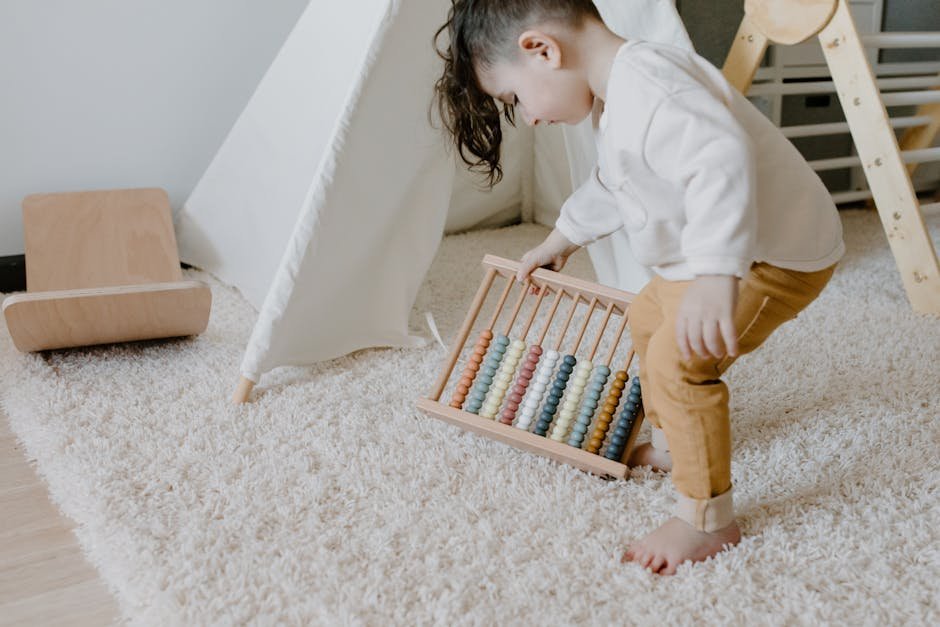
When kids and teachers talk about hard times tables, the conversation usually focuses on the 6s, 7s, 8s, and 9s. The 3 times table rarely makes the list of difficult tables. But mastering the 3s pays disproportionate dividends for the rest of multiplication. Here's why the 3 times table is more important than it gets credit for.
The 3s Unlock the 6s and 9s
Once a child knows the 3 times table cold, the 6 times table is just doubling the 3s. For instance, 6 × 7 is double 3 × 7, which is double 21 and equals 42. This shortcut only works if 3 × 7 = 21 is automatic. The ability to rapidly compute these relationships fosters confidence in children and makes learning multiplication a less daunting task.Similarly, the 9 times table is 3 times the 3s. Or it can be derived as 10 times something minus that something, which also relies on solid number sense from the 3s. For example, 9 × 4 is the same as 3 × 4 × 3, or 10 × 4 minus 4, demonstrating the versatility of understanding the 3s in simplifying complex calculations.So a child who slacks on the 3s ends up slow on the 6s and 9s too. A child who masters the 3s often finds the 6s and 9s much easier. This interconnectedness highlights the importance of focusing on the 3s early in math education.
The 3s Introduce the Multiplication Pattern
The 2s and 5s are easy enough that kids learn them through skip-counting (2, 4, 6, 8... and 5, 10, 15, 20...). The 3s are the first table where most kids really have to think about multiplication as multiplication, not just skip-counting. This shift in understanding is crucial for developing a deeper mathematical foundation.
From Counting to Multiplying
3 × 1 = 3, 3 × 2 = 6, 3 × 3 = 9, 3 × 4 = 12, 3 × 5 = 15, 3 × 6 = 18, 3 × 7 = 21, 3 × 8 = 24, 3 × 9 = 27, 3 × 10 = 30. These fundamental equations transition students from reciting numbers to recognizing and applying multiplication concepts.This is where multiplication clicks for many kids. They go from "I am counting by 3s" to "I am multiplying by 3"; a real conceptual shift. As they internalize this concept, they become more adept at tackling increasingly complex problems.
The Patterns in the 3s
The 3 times table has clean patterns worth pointing out, which can be instrumental in strengthening a child's number sense beyond just memorizing the answers.
Divisibility and Digit Sums
- Every answer's digits sum to a multiple of 3. For example, 12 → 1+2=3 and 18 → 1+8=9. This is the divisibility rule for 3, and recognizing this pattern helps children understand and apply mathematical properties.
- The ones digits cycle: 3, 6, 9, 2, 5, 8, 1, 4, 7, 0. Each goes down by 1 (mod 10) with a shift, facilitating predictions and checks in their calculations.
- Multiples of 3 alternate between odd and even, offering another layer of pattern recognition that aids in mental math and problem-solving skills.
These patterns build number sense beyond just memorizing the answers, allowing children to make connections between different mathematical concepts.
The 3s in Real Life
Three shows up everywhere: 3 sides of a triangle, 3 wishes in a story, 3 strikes in baseball, 3 trimesters in pregnancy, 3 meals a day. Many real-world quantities come in threes, making the 3 times table relevant in everyday situations.
Everyday Applications
This means the 3 times table comes up in everyday math more often than parents think. "How many meals in a day for 4 days?" 3 × 4 = 12. Examples like these provide practical applications that children can relate to, enhancing their understanding and retention.Whether planning meals or dividing tasks, understanding the 3s equips children with the skills to handle everyday mathematical challenges with ease.
How to Practice the 3s
The 3 times table responds well to standard practice, and incorporating different methods can make learning engaging and effective for children.
Daily Drills and Games
- Random-order drill of 3 × 1 through 3 × 10: Mixing up the sequence ensures children are not just memorizing the order but truly understanding the multiplication facts.
- Skip-counting by 3s to 30, then to 60: This reinforces the concept of multiplication while enhancing their ability to count in intervals.
- The digit-sum check (every product has digits summing to a multiple of 3): A fun exercise that also teaches divisibility rules and provides a self-checking mechanism.
- Real-world applications (three of something, multiplied): Encourages children to identify and solve practical problems using multiplication, fostering critical thinking.
Three to five minutes a day for a week or two usually locks it in. Consistent practice, combined with varied approaches, ensures a solid grasp of the 3s.
Pitfalls to dodge
Even with dedicated practice, some common mistakes can arise when learning the 3 times table. Recognizing these pitfalls can help parents and teachers guide children more effectively.
What to Avoid
- Over-reliance on rote memorization: While memorization plays a role, understanding the concepts and patterns is crucial for long-term retention.
- Skipping the basics: Ensure that children have mastered addition and subtraction before introducing multiplication. A strong foundation is essential.
- Neglecting real-world applications: Without practical examples, children may struggle to see the relevance of multiplication, reducing their motivation to learn.
By addressing these common challenges, parents and teachers can create a supportive learning environment that encourages mastery of the 3s.
Actionable Tips for Parents
As a parent, you play a vital role in your child's learning journey. Here are some actionable tips to help your child master the 3 times table with confidence:
- Integrate music and rhythm: Use songs or clapping rhythms to make learning fun and memorable. For example, create a catchy tune that incorporates the 3s multiples.
- Create visual aids: Use charts, flashcards, or multiplication wheels to provide visual reinforcement. Place these aids in common areas of your home for regular exposure.
- Practice with peers: Encourage group learning sessions where children can quiz each other and learn collaboratively. This social aspect can boost motivation and enjoyment.
- Incorporate technology: Utilize educational apps and online games to make practice interactive and engaging. Apps like "Math Bingo" or "Multiplication Kids" can offer dynamic ways to practice.
These strategies can make the learning process enjoyable and effective, fostering a positive attitude towards math.
A weekly approach
Establishing a weekly routine can help reinforce your child's learning and ensure consistent practice. Here's a sample weekly plan:
Monday: Introduction and Exploration
Start the week by introducing the 3 times table using visual aids and simple explanations. Spend 10 minutes exploring the basic patterns and rules.
Tuesday: Interactive Practice
Use technology to engage with the 3s. Spend 15 minutes on educational apps or online games designed for multiplication practice.
Wednesday: Real-World Application
Spend 10 minutes finding examples of the 3 times table in everyday life. Discuss scenarios like splitting 12 apples among 4 friends or planning meals.
Thursday: Group Learning
Organize a 20-minute session with peers or siblings. Use flashcards and quizzes to test each other in a fun, cooperative environment.
Friday: Review and Reinforcement
Conclude the week with a 15-minute review session. Use drills or worksheets to reinforce what was learned, focusing on areas of difficulty.This routine ensures diverse and consistent exposure to the 3s, enhancing retention and understanding.
For early elementary
For younger children in grades K-2, focus on building a solid understanding of numbers and basic counting skills. Use physical objects like blocks or counters to demonstrate the concept of multiplication visually. Interactive games and songs can also be highly effective at this stage.
For grades 3 and 4
At this age, children are ready to understand the more abstract concept of multiplication. Introduce them to the patterns in the 3s and encourage them to explore these patterns through hands-on activities and real-life examples. Practice should be consistent but varied to maintain their interest.
In fifth and sixth grade
Older children can be challenged with more complex problems involving the 3s. Encourage them to apply their knowledge in solving word problems and real-world scenarios. Incorporating technology and group activities can also enhance their learning experience and solidify their understanding.
Special cases
Every child learns differently, and some may face unique challenges when it comes to mastering the 3 times table. Here are some strategies for special situations:
Test Anxiety
For children who experience test anxiety, create a low-pressure practice environment. Use practice tests and timed drills to help them become comfortable with the format and build confidence.
ADHD
For children with ADHD, keep practice sessions short and engaging. Use a variety of activities and allow for frequent breaks to maintain their focus and interest.
Gifted Learners
Gifted children may benefit from exploring more advanced concepts related to the 3s, such as exploring mathematical patterns or solving challenging puzzles that require multiplication skills.
Dyscalculia
For children with dyscalculia, provide additional support through personalized instruction and the use of multisensory techniques, such as tactile learning tools and visual aids, to reinforce their understanding of multiplication.
Talking to Your Child's Teacher
Communication between parents and teachers can make a significant difference in a child's success with learning multiplication.
Open Dialogue
Maintain an open line of communication with your child's teacher. Regular check-ins can provide insights into your child's progress and areas that need improvement. Share successful strategies and seek advice on additional resources.
Collaborative Support
Work together with the teacher to align on learning goals and strategies. Participate in parent-teacher conferences and other school events to stay informed about curriculum changes and expectations.
Long-Term Perspective
Mastering the 3 times table is not just about immediate success in math class; it lays the foundation for future mathematical learning and problem-solving abilities.
Building a Strong Foundation
By ensuring your child has a solid grasp of the 3s, you are setting them up for success in other areas of math, including algebra and geometry. The skills and confidence gained from mastering the 3s will serve them well in their academic journey.
Future Applications
The understanding and skills developed through learning multiplication will be applicable in many aspects of life, from managing finances to solving everyday problems. By emphasizing the importance of the 3 times table now, you are preparing your child for future challenges.
Parents often ask
Why is the 3 times table considered underrated?
The 3 times table is often overshadowed by more challenging tables like the 6s, 7s, 8s, and 9s. However, mastering the 3s provides a strong foundation for these more complex tables and helps foster a deeper understanding of multiplication concepts.
How can I help my child if they are struggling with the 3 times table?
Use diverse methods like visual aids, songs, and interactive games to make learning fun and engaging. Tailor practice sessions to your child's learning style and provide consistent support and encouragement.
What should I do if my child is advanced in multiplication?
If your child is advanced, challenge them with higher-level problems, explore complex mathematical patterns, or introduce them to multiplication in real-world contexts to keep them engaged and interested.
Are there any resources available online for practicing the 3 times table?
Yes, there are many educational websites and apps offering interactive multiplication games, drills, and quizzes designed to help children practice and reinforce their understanding of the 3 times table.
How can I make learning the 3 times table enjoyable for my child?
Incorporate elements of play, like rhythm and music, into learning sessions. Use real-world scenarios and practical examples to show the relevance of the 3s in everyday life, making math both fun and meaningful.
One last note
The 3 times table might be underrated, but its importance cannot be overstated. By focusing on mastering the 3s, children can unlock the door to understanding more complex multiplication tables and develop a strong mathematical foundation. Parents and teachers play a crucial role in guiding children through this process, using a variety of strategies to make learning engaging and effective.Remember, the journey to mastering the 3s is not just about memorization, but about fostering a deeper understanding of mathematics that will benefit your child throughout their life. With patience, creativity, and support, you can help your child succeed and thrive in their math education.
