Veerle Dielen · Elementary teacher · December 28, 2025 · Practice Routine
Holiday Break Math Maintenance
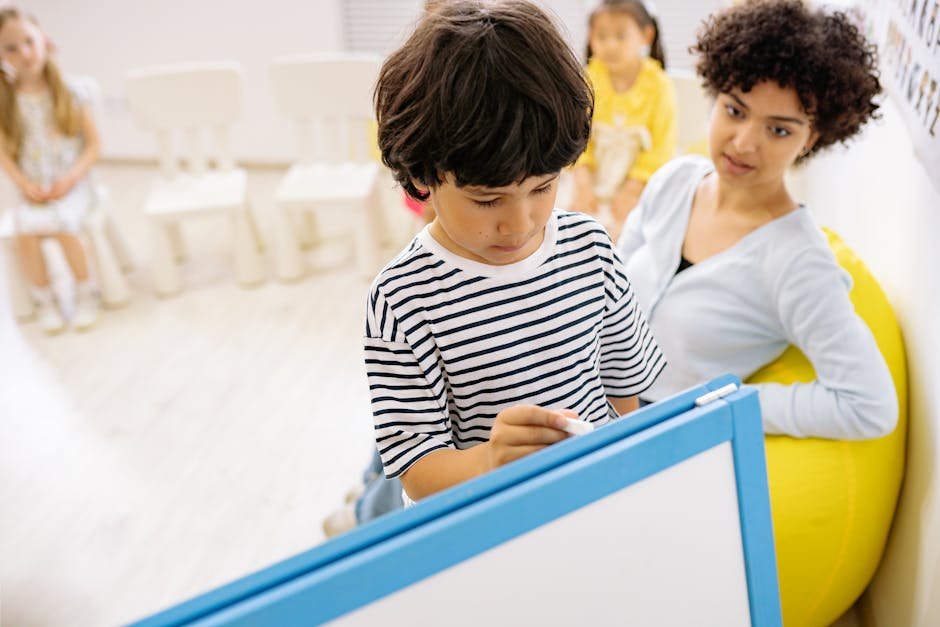
Holiday breaks, often lasting from one to two weeks, offer a much-needed pause in the school routine, providing families with time to relax and celebrate. However, these breaks can also disrupt learning routines, especially when it comes to maintaining math fluency in elementary school children. The challenge is clear: how do we ensure that children retain their multiplication skills without turning the holiday into a homework marathon? Here's a comprehensive guide to maintaining math fluency during holidays without compromising the spirit of the season.
The Importance of Math Maintenance Over Holidays
During holiday breaks, children are naturally inclined to relax and enjoy their time off from school. This downtime is essential for their overall well-being, but it’s also crucial to keep their math skills sharp. Research shows that math skills can start to fade after just a week of no practice. Therefore, it's vital to incorporate a minimal practice routine that maintains their fluency.
Understanding Math Fluency
Math fluency is the ability to perform mathematical operations quickly and accurately. For elementary school children, this often means mastering multiplication tables. Fluency is crucial because it forms the foundation for more complex math topics in later grades. Without regular practice, these skills can quickly diminish.For example, when a child easily recalls multiplication tables, they can focus on learning new concepts such as fractions or division without being bogged down by basic calculations. This fluency helps in solving problems more efficiently and builds confidence in their math abilities.
Balancing Relaxation and Learning
Parents and teachers need to strike a balance during holidays. The goal is not to overwhelm children with practice, but rather to integrate short, engaging math sessions that can easily fit into the family’s holiday schedule. This ensures that children return to school ready to tackle new challenges without feeling like they’ve taken too many steps back.Consider creating a calendar with your child, marking which days will involve a short math session. This visual plan helps children anticipate when they will practice and when they will fully relax, reducing any anxiety about the upcoming break.
The Minimum Maintenance Dose
To keep math fluency intact over a two-week holiday break, a minimal but effective practice routine can be established. This routine involves:
- Three to four short sessions per week
- Each session lasting only three to five minutes
- Mixed practice to cover various multiplication tables
- A calm, pressure-free setting
This equates to approximately 15-20 minutes of math practice per week, which is less than half the time usually dedicated to math during regular school weeks. It is manageable and can be easily integrated into even the busiest holiday schedules.
Identifying Low-Stress Practice Times
The key to successful holiday math practice is finding times that are low-stress and naturally conducive to learning. Ideal moments include:
- While waiting for breakfast to be ready
- During car rides to visit relatives
- The five minutes before a movie starts
- Quiet time after lunch
- Just before bedtime
By choosing these moments, you avoid the high-stress periods such as gift opening or large family gatherings, ensuring that practice sessions are enjoyable rather than another source of stress.
Creative Formats for Holiday Practice
Holiday math practice should feel different from regular schoolwork to maintain engagement and enthusiasm. Here are some creative formats to consider:
Games and Challenges
Incorporate math into games that children enjoy. Card games with siblings or cousins can include quick math challenges. For example, a simple card game like "War" can be modified by having players multiply the values of the cards instead of comparing them.Consider a family math scavenger hunt, where each clue involves solving a math problem to find the next clue. This can be an exciting way for children to practice math without realizing they are doing so.
Verbal Quizzes
Use downtime during car rides for verbal math quizzes. Ask questions like "What's 7 times 8?" and encourage quick, fun responses. This keeps the brain engaged without feeling like a formal lesson.Another idea is to turn these quizzes into a friendly competition among siblings, with small rewards for correct answers to keep motivation high.
Apps and Technology
There are numerous educational apps available that make learning math fun. A quick app session on a phone or tablet during downtime can reinforce multiplication skills in an engaging way.Apps like Prodigy or Math Bingo are designed to be interactive and capture children's attention, making practice sessions something they look forward to.
Themed Math Practice
Integrate math into holiday-themed activities. For example, if you're baking cookies, ask your child to calculate how many cookies you'll have if you make four trays with 12 cookies each. This practical application of math helps reinforce concepts in a real-world context.During gift-wrapping, children can estimate the amount of wrapping paper needed based on the size of the gift box, turning a fun activity into a learning opportunity.
Days to Avoid Math Practice
It's important to remember that not every day needs to include math practice. There are certain days when skipping practice is perfectly acceptable, such as:
- Major holiday days like Christmas, New Year's Day, and Thanksgiving
- Travel days involving long car rides or flights
- Days with big family gatherings
- Days when your child is genuinely exhausted
Missing practice on these days is fine; the overall maintenance schedule will average out over the two-week break.
The First Day Back
When school resumes, it's beneficial to do a single five-minute practice session to "wake up" the math brain. This session should include mixed facts and be conducted at a calm pace. Rather than treating it as a test, view it as a gentle warm-up to help ease back into the school routine.If your child maintained 6-8 practice sessions during the break, their math fluency should remain sharp. If practice was skipped entirely, plan for one to two weeks of additional practice to regain any fluency that may have slipped.
Permission to Be Casual
During the holidays, math practice should not feel like a continuation of schoolwork. It's important to lower the bar and keep sessions short, social, and stress-free. The objective is to maintain enough of a routine so that returning to school feels seamless.Consider using quizzes from platforms like TimesTablesTrainer for quick, five-minute practice sessions that fit perfectly into any downtime window.
Tips for Different Age Groups
Different age groups require different approaches to math practice during the holidays. Here are some tips tailored to various elementary school grades:
Kindergarten to Second Grade
- Focus on counting games and simple addition to lay the groundwork for multiplication.
- Use visual aids like counters or blocks to illustrate math concepts.
- Incorporate math into daily routines, such as counting steps or snacks.
Simple games like counting the number of ornaments on a Christmas tree or adding up the number of marshmallows in hot cocoa can be both festive and educational.
Third to Fourth Grade
- Introduce multiplication through fun, interactive games.
- Encourage storytelling with math problems: "If Susie has three apples..."
- Reinforce concepts with quick quizzes that challenge speed and accuracy.
Multiplication bingo or creating stories involving math can make learning more relatable and fun at this stage.
Fifth to Sixth Grade
- Focus on reinforcing multiplication with real-world applications.
- Introduce more complex problems that integrate multiplication with other operations.
- Encourage independent practice through worksheets or online programs.
Encourage older children to manage a small holiday budget for gifts, which involves adding, subtracting, and multiplying costs, providing a practical math application.
What to Avoid in Holiday Math Practice
When practicing math during the holidays, it's crucial to avoid certain pitfalls that can hinder your child's learning and enjoyment:
- Overloading: Avoid turning practice sessions into long, tedious tasks. Keep them short and sweet.
- High-pressure environments: Ensure practice is stress-free and not associated with punishment or pressure.
- Narrow focus: Avoid focusing solely on one type of problem; instead, mix it up to cover different aspects of multiplication.
Avoid using practice as a punishment for not doing well in school. This can create a negative association with math that may last beyond the holidays.
Actionable Tips for Parents
Here are some actionable tips to help you maintain your child's math fluency over the holiday break:
- Set a regular time for math practice that fits naturally into your holiday routine.
- Use a variety of resources, from games to apps, to keep practice engaging.
- Encourage a positive attitude towards math by celebrating small successes.
- Be flexible and adapt practice sessions according to your child's mood and energy levels.
Celebrate achievements, no matter how small, to build confidence and a love for learning.
When circumstances differ
Every child is unique, and some may face special challenges that require tailored approaches to holiday math practice:
Children with Test Anxiety
For children who experience test anxiety, focus on stress-free, game-based learning. Avoid timed tests and instead encourage casual, fun math activities that build confidence.Incorporate breathing exercises or calming techniques before starting math practice to help ease anxiety and make the experience more enjoyable.
Children with ADHD
Children with ADHD may benefit from shorter, more frequent practice sessions. Use hands-on activities or interactive apps to maintain their focus and engagement.Incorporate movement into math practice, like hopping to the correct answer written on the ground, to channel their energy positively.
Gifted Children
Gifted children can be challenged with more complex math problems that encourage deeper thinking. Introduce puzzles or logic games to keep them stimulated.Introduce topics that go beyond the current grade level, such as basic algebra or geometry, to keep them engaged and learning.
Children with Dyscalculia
For children with dyscalculia, use visual aids and real-world examples to make abstract math concepts more tangible. Patience and positive reinforcement are key.Consider using specialized apps designed for dyscalculia that offer visual and interactive problem-solving exercises.
Cooperating with Teachers and Schools
Maintaining an open line of communication with your child’s teacher can significantly enhance holiday math practice. Discuss your child’s progress and any challenges they face to get tailored advice on how to support their learning at home. Teachers can suggest resources and strategies that align with the school curriculum, ensuring continuity in learning.Arrange a meeting or email exchange with your child's teacher before the break to discuss specific goals or areas of focus. This collaboration can provide valuable insights and guidance.
Looking at the Long-Term Perspective
While holiday math practice is important, it’s just one piece of the broader educational puzzle. Viewing math fluency as a long-term goal rather than a short-term challenge can help maintain a healthy perspective. Encourage your child to view math as a life skill that extends beyond the classroom, and integrate math discussions into everyday life to reinforce this mindset.Regularly engage your child in conversations about math in the real world, such as budgeting for groceries or planning a trip, to highlight its practical importance.
Setting up the week
Establishing a weekly routine can help structure math practice during the holiday break. Here’s a sample plan:
- Monday: Verbal quizzes during breakfast.
- Wednesday: Play a math-focused game in the afternoon.
- Friday: Use an educational app for practice before dinner.
- Saturday: Integrate math into a cooking activity.
- Sunday: Reflect on the week's progress and plan for next week.
This schedule provides a balanced mix of practice, play, and rest, ensuring that math remains a positive and productive part of the holiday.
Questions parents ask
Parents often have questions about maintaining math fluency over the holidays. Here are answers to some frequently asked questions:
How much practice is really necessary?
A good rule is 15-20 minutes a week. The key is consistency rather than duration. Short, regular sessions are more effective than sporadic, lengthy ones.
What if my child resists practicing?
Incorporate math into fun activities they already enjoy. Offer choices about when and how to practice, giving them a sense of control.
Are apps a good substitute for traditional practice?
Apps can be a great tool, especially those that are interactive and engaging. They should supplement, not replace, a variety of practice methods.
How do I know if my child is making progress?
Look for improvements in speed and confidence when answering math questions. Celebrate small victories and stay in touch with their teacher for feedback.
Is it okay to skip practice entirely on busy days?
Absolutely. It's important to be flexible. Consistency over the entire break is more important than daily practice.
Conclusion: A Balanced Approach to Holiday Math
Maintaining math fluency during the holiday break doesn’t have to be a daunting task. By incorporating short, engaging practice sessions into your holiday routine, you can ensure that your child returns to school ready and confident. Remember to keep practice sessions fun, varied, and stress-free, allowing your child to enjoy their break while keeping their math skills sharp. With a little creativity and flexibility, holiday math maintenance can become an enjoyable part of your family’s holiday tradition.
