Veerle Dielen · Elementary teacher · November 24, 2025 · Age & Grade
What to Expect in Kindergarten Math
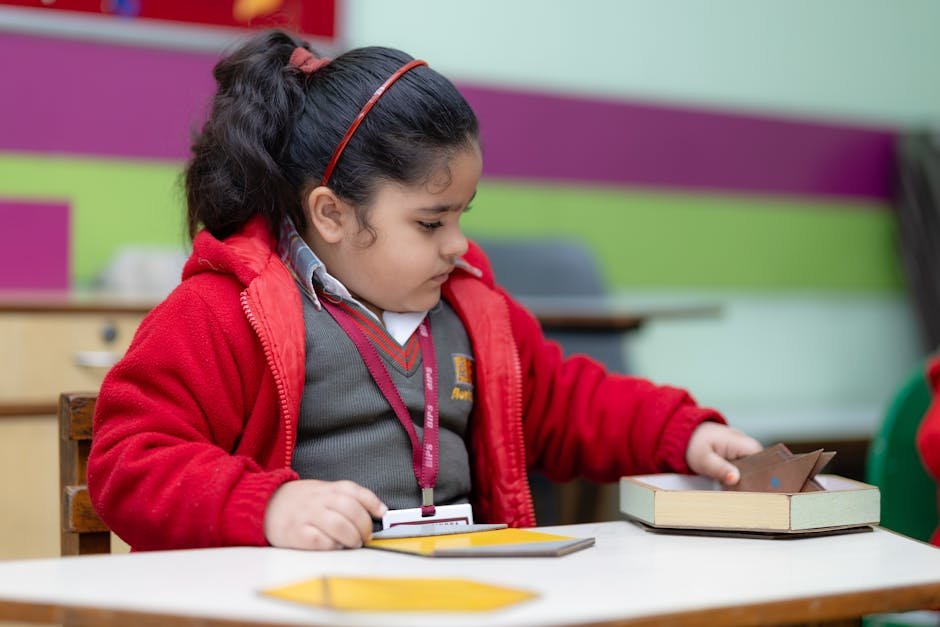
The journey of learning math begins the moment children step into kindergarten. Here, young learners are introduced to foundational concepts that will serve as the building blocks for future mathematical understanding. As a parent or educator, it's crucial to understand what is taught in kindergarten math, how you can support learning at home, and what signs might indicate the need for additional support.
Understanding Kindergarten Math Standards
Kindergarten math standards focus on developing number sense and basic operations. By the end of kindergarten, children are expected to achieve specific milestones that set the stage for success in later grades.
Counting Skills
Counting is a fundamental skill that children in kindergarten are encouraged to master. By the end of the year, most children should be able to count forward to 100. This skill is crucial as it lays the groundwork for understanding the number sequence and developing further arithmetic skills.
Make counting fun by using songs or rhymes that incorporate numbers, such as "Five Little Ducks" or "Ten in the Bed." These can make the process engaging and memorable.
Numeral Recognition and Writing
Children should be able to recognize and write numerals from 0 to 20. This skill helps children connect the spoken names of numbers with their written symbols, bridging the gap between auditory and visual learning. To reinforce this, play matching games where children match numeral cards with the correct number of objects or use sand trays to trace numbers, providing a tactile learning experience.
Basic Addition and Subtraction
Kindergarten introduces basic addition and subtraction within 10. This early exposure helps children develop an understanding of the concept of combining and separating quantities, which is vital for future mathematical operations. Use everyday scenarios to practice these skills, like adding apples to a basket during grocery shopping or subtracting spoons from a drawer.
Comparing Numbers
Another important skill is the ability to compare numbers, understanding concepts such as greater than, less than, and equal to. This skill is foundational for developing critical thinking and problem-solving abilities. Play games like "War" with a deck of cards where each player draws a card and the child determines which number is greater.
Recognizing Shapes and Measurement
Children learn to recognize basic shapes such as circles, squares, and triangles. What's more, they begin to understand measurement comparisons like taller vs. shorter and heavier vs. lighter, which are essential for spatial reasoning. Encourage your child to find shapes in their environment or use building blocks to discuss size and weight.While the pace of learning is gentle, the focus is on mastery rather than speed. It's crucial for children to feel confident in these skills before moving on to more complex concepts.
Practical Ways to Support Math Learning at Home
Parents play a vital role in reinforcing math concepts at home. Here are some practical ways to support your child's math learning journey:
Incorporate Counting into Daily Activities
Counting should become a natural part of everyday life. Encourage your child to count objects they encounter, such as toys, steps, or snacks. This practice reinforces their understanding of numbers and counting. For example, while setting the table, ask your child to count the number of forks or plates. You can also count the steps as you climb stairs, making each step a number in the sequence.
Recognize Numerals in Everyday Settings
Help your child recognize numerals by pointing them out on signs, clocks, and books. When you're out for a walk or driving, you can make a game out of spotting numbers on license plates or street signs. At home, use a calendar to discuss dates and numbers, enhancing their recognition skills.
Sorting and Comparing Activities
Engage your child in sorting activities based on color, size, or shape. These activities help children understand classification and comparison, crucial skills for math development. You can sort laundry by color or arrange toys by size as a fun activity. Use pantry items to compare weights and sizes, discussing which is heavier or lighter.
Explore Patterns in Daily Life
Patterns are everywhere, from clothing to daily routines. Encourage your child to notice and create patterns, such as clapping a rhythm or arranging colored blocks in a sequence. Recognizing patterns helps build a strong foundation for algebraic thinking. Try using beads to create necklaces with repeating color sequences, enhancing their pattern recognition.
Red Flags: When to Seek Extra Support
While every child develops at their own pace, certain signs may indicate the need for additional support in math. Here are some red flags to watch for:
- Consistent confusion between numerals, such as writing a 6 for a 9.
- Avoiding math-related activities or counting tasks.
- Tears or frustration when engaged in simple counting exercises.
- Regularly skipping numbers while counting.
- Difficulty recognizing quantities up to 5 by sight.
If you notice any of these signs, it's essential to communicate with your child's kindergarten teacher. Early intervention can make a significant difference and prevent future struggles. Consider additional resources such as tutoring or math-focused educational programs if needed.
Actionable Tips for Different Age Groups
Understanding the developmental stages of children can help tailor your support to their specific needs. Here are some actionable tips for different age groups:
Grades K-2: Building the Foundation
- Use everyday experiences to reinforce counting, such as counting steps on the playground.
- Introduce simple addition and subtraction using objects like toys or snacks.
- Play games that involve number recognition, like matching games with cards.
- Encourage drawing and identifying shapes during playtime.
- Incorporate music and rhythm to make math learning fun and engaging.
Grades 3-4: Strengthening Skills
- Practice skip-counting by 2s, 5s, and 10s to prepare for multiplication tables.
- Use real-life scenarios to teach measurement, like cooking or gardening.
- Introduce word problems to develop problem-solving skills.
- Encourage the use of math apps and games that make learning fun.
- Discuss math concepts during daily routines, such as dividing chores or expenses.
Grades 5-6: Preparing for Advanced Concepts
- Introduce basic multiplication and division using visual aids like arrays.
- Explore fractions through cooking or dividing objects into parts.
- Encourage estimation skills by guessing quantities before measuring.
- Discuss math in everyday contexts, such as shopping or budgeting.
- Involve them in planning events or trips to apply math in practical situations.
Common Mistakes to Avoid in Teaching Math
While supporting your child's math learning, be aware of common mistakes that can hinder their progress:
- Avoid pressuring your child to speed through concepts; focus on mastery.
- Don't rely solely on worksheets; incorporate hands-on activities as well.
- Steer clear of negative language about math, such as expressing personal struggles with the subject.
- Resist the urge to correct every mistake immediately; encourage exploration and problem-solving.
Instead of correcting mistakes, ask guiding questions that lead your child to discover the correct solution. This approach fosters a growth mindset and encourages resilience in learning.
For Special Situations: Addressing Unique Learning Needs
Every child is unique, and some may require additional support to thrive in math. Here are some strategies for addressing special learning needs:
Test Anxiety
Help your child manage test anxiety by practicing relaxation techniques and providing a supportive environment. Encourage them to view mistakes as learning opportunities rather than failures. Practice test scenarios at home to build familiarity and confidence.
ADHD
Children with ADHD may benefit from short, focused math sessions with frequent breaks. Use hands-on activities and incorporate movement to maintain engagement. Establish a structured routine with clear expectations to provide stability.
Gifted Learners
Challenge gifted learners with more complex math problems and encourage them to explore advanced topics that interest them. Provide opportunities for them to teach others, reinforcing their understanding. Offer enrichment programs or clubs to nurture their talents.
Dyscalculia
For children with dyscalculia, use multisensory approaches to reinforce concepts, such as using physical objects or visual aids. Work closely with educators to develop an individualized learning plan. Consider specialized interventions or therapy if needed.
Building a Strong Partnership with Schools
Cooperation between home and school is essential for supporting a child's math education. Stay informed about the curriculum and maintain open communication with teachers. Attend parent-teacher conferences and ask for resources or strategies to reinforce learning at home. Share observations and concerns to create a cohesive support network.
Looking Ahead: The Long-Term Perspective
Math education is a continuous journey that extends beyond kindergarten. By fostering a positive attitude towards math and providing consistent support, you can help your child develop a strong mathematical foundation. Remember, the goal is to cultivate curiosity and confidence that will carry them through their academic career and beyond. Celebrate small victories and progress to keep motivation high.
Talking to Your Child's Teacher
Regular communication with your child's teacher can greatly enhance your child's math learning experience. Here are some ways to effectively engage with teachers:
Regular Check-Ins
Schedule regular meetings or check-ins to discuss your child's progress. Ask about their strengths and areas needing improvement.
Collaborative Goal Setting
Work with the teacher to set achievable math goals for your child. This creates a shared focus and accountability.
Resource Sharing
Ask for additional resources or activities that can be done at home to reinforce classroom learning. Teachers often have access to valuable materials.
Feedback Loop
Provide feedback on what strategies are working at home and discuss any challenges. This helps the teacher tailor their approach to your child's needs.
When to Seek Outside Help
Sometimes, additional support beyond the classroom is necessary. Consider seeking outside help if:
- Your child consistently struggles despite efforts at home and school.
- There's a noticeable lack of progress over time.
- Your child is experiencing significant anxiety or frustration related to math.
- You want to provide enrichment opportunities for advanced learners.
Options for outside help include tutoring, educational therapy, or enrolling in specialized programs that focus on math skills.
A Weekly Routine for Math Success
Establishing a regular routine can make math a consistent and enjoyable part of your child's life. Here's a sample weekly plan:
Monday: Counting and Numerals
Spend 15 minutes on counting games and numeral recognition activities. Use flashcards or play number bingo.
Tuesday: Addition and Subtraction
Explore addition and subtraction through story problems or using objects like blocks. Keep it interactive and fun.
Wednesday: Shape and Pattern Exploration
Dedicate time to identifying shapes in the environment and creating patterns with everyday objects.
Thursday: Measurement and Comparison
Engage in simple measurement activities like comparing heights of family members or weighing different fruits.
Friday: Math in Daily Life
Involve your child in cooking or shopping, discussing measurements, quantities, and budgeting.
What parents want to know
How much math should a kindergartner know by the end of the year?
By the end of kindergarten, children should be comfortable counting to 100, recognizing and writing numbers up to 20, and performing basic addition and subtraction within 10.
What if my child is struggling with math concepts?
If your child is struggling, communicate with their teacher to understand specific areas of difficulty. Consider additional practice at home or seek outside help if needed.
How can I make math fun for my child?
Incorporate games, songs, and hands-on activities into math learning. Relate math to real-life situations to make it relevant and engaging.
When should I introduce more advanced math concepts?
Introduce advanced concepts when your child shows readiness and interest. Every child learns at their own pace, so adapt to their individual needs and curiosity.
Can technology aid in math learning?
Yes, there are numerous educational apps and online games designed to reinforce math skills. Use technology as a supplementary tool to enhance learning.By following these guidelines, you can support your child's mathematical growth and instill a love for learning that will benefit them throughout their educational journey.
