Veerle Dielen · Elementary teacher · July 7, 2026 · Per Times Table
Why Kids Get Stuck on the 6 Times Table
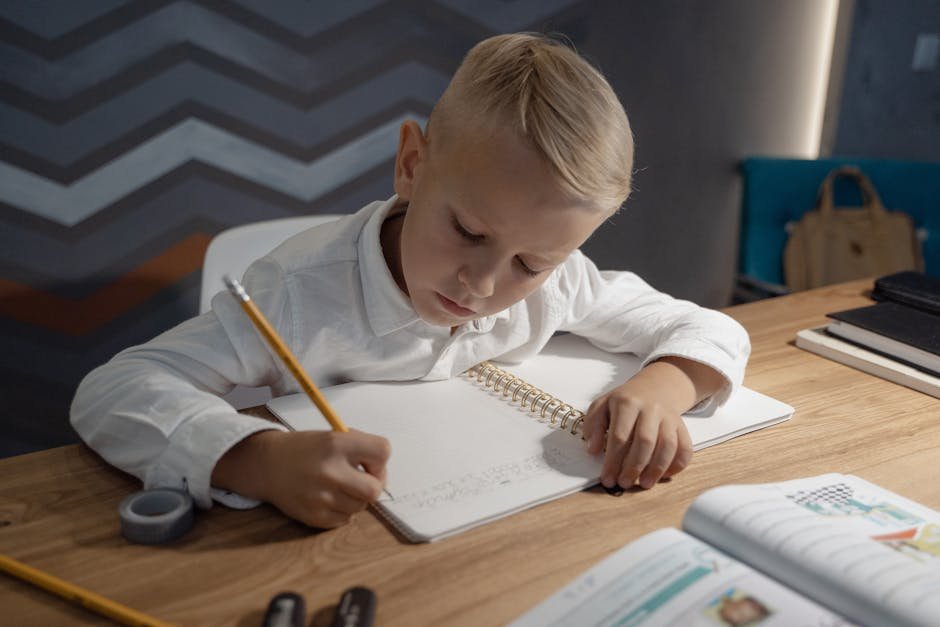
For many kids, the 6 times table is the first challenge that feels genuinely tough. They breeze through the 2s, 5s, and 10s with ease. The 3s and 4s require a bit more effort but are manageable. Then, they hit the 6s and often come to a halt. If your child is stuck on the 6s, there are real reasons behind it. Here’s what makes the 6 times table difficult and how to help your child push through.
Understanding the Complexity of the 6 Times Table
The 6 times table is tricky because it occupies a unique middle ground. While 2s and 3s are small enough for quick counting, and 5s and 10s have easily discernible patterns, the 6s lack both. There are no clever finger tricks or rhyming patterns to rely on. Children have to learn these facts through repetition and practice, which can feel daunting without shortcuts.To illustrate, consider the simplicity of counting by 5s or 10s. The patterns are predictable and mirror everyday counting, making them intuitive for kids. In contrast, the 6s require a different mental approach. Without a natural rhythm or pattern, memorization becomes essential, and for many children, this is where frustration begins.
The Challenge of Commonly Confused Facts
In the 6 times table, certain multiplication facts pose more difficulty than others. Among these, 6 x 7 = 42 and 6 x 8 = 48 are notoriously challenging. Children who master these facts on one day might forget them soon after. The memorization without a pattern contributes to the confusion.
The Timing Issue
The 6 times table is typically introduced after the easier tables, creating an expectation that learning a new table should be quick and straightforward. When it takes longer, children may feel discouraged. This discouragement can diminish the effectiveness of practice sessions, creating a cycle where the table becomes even harder to learn.For example, if a child breezes through the 5s in a week, they might expect the same for the 6s. When this doesn't happen, it can lead to a feeling of failure. To combat this, educators and parents should set realistic goals and timelines, emphasizing that taking longer is perfectly normal.
The Hardest 6 Times Facts to Learn
Some multiplication facts in the 6 times table are consistently more difficult for children:
- 6 x 7 = 42 (often the most confusing)
- 6 x 8 = 48
- 6 x 6 = 36
- 6 x 9 = 54
The three facts 6 x 6, 6 x 7, and 6 x 8 form the core of the challenge. Once these are mastered, the rest often feel more manageable.For instance, some children might find success using visualization techniques. Seeing 6 x 7 as six groups of seven objects can make the abstract nature of multiplication more concrete. Similarly, using real-life examples like arranging six rows of chairs with seven chairs each can provide a practical understanding of 6 x 7.
Strategies to Master the 6 Times Table
Fortunately, there are effective strategies specifically for tackling the 6 times table. These methods can transform a seemingly insurmountable challenge into a series of manageable tasks.
Doubling the 3s
Every fact in the 6 times table is double the corresponding fact in the 3 times table. For example, if your child knows that 3 x 7 = 21, then 6 x 7 = 42 becomes a two-step calculation: double the result of the 3s. This strategy can help solidify the 6s as practice speeds up.To further this strategy, use manipulatives like counters or blocks. Physically doubling the groups can provide a visual and tactile method to reinforce the concept, making it easier for kids to internalize the doubling process.
The 5 Plus 1 Trick
Another helpful strategy is the 5 plus 1 method. To find 6 x something, compute 5 x something and add that "something" back. For instance, 6 x 7 is 35 + 7, which equals 42. This trick builds on the solid foundation children often have with the 5s.Engaging children in practical scenarios where they use this method can be beneficial. For example, if they buy five packs of markers and then add one more pack, they can see their multiplication as part of real-life problem solving.
Recognizing the Alternation Pattern
The 6 times table has a unique pattern in its sequence: it alternates ending in 6, 2, 8, 4, 0. For example, 6, 12, 18, 24, 30, 36, 42, 48, 54, 60. Spotting that the answer must end in one of these digits can help children reduce their options when unsure.To practice this, create a simple game where children predict the last digit of a multiplication fact before calculating. This exercise can build confidence and familiarity with the pattern.
Memorizing 6 x 6 as a Square
Lock in the fact that 6 x 6 = 36. It’s one of the most rhyme-friendly multiplication facts: “Six times six equals thirty-six.” Repeating this like a slogan can help it stick in memory.Make it fun by turning it into a chant or song. Encourage children to repeat it in different voices or rhythms, making memorization an enjoyable and creative process.
Using 6 x 7 = 42 as an Anchor
Once 6 x 7 = 42 is mastered, it can serve as an anchor point. Other facts can be derived from it: 6 x 8 is simply 42 + 6 = 48, and 6 x 6 is 42 - 6 = 36. Treating 6 x 7 as a cornerstone makes learning surrounding facts easier.Visual aids like flashcards or number lines can help solidify this anchor in a child's memory. Practice deriving other facts from this anchor to reinforce its role as a key figure in the table.
Practical Tips for Parents and Teachers
Helping your child conquer the 6 times table requires patience and strategy. Here are some effective tips:
- Allow ample time: Spend more time on the 6s than on easier tables. Three to five weeks is typical.
- Mix strategies: Different children benefit from different techniques. Encourage your child to try both doubling and the 5 plus 1 method to see what resonates.
- Focus on difficult facts: Drill harder facts like 6x6, 6x7, 6x8, and 6x9 more often than the easier ones.
- Celebrate milestones: When your child masters 6x7 = 42, acknowledge it as a significant achievement.
- Practice in random order: Avoid sequential practice; it helps children learn to recall facts independently rather than relying on patterns.
Common Mistakes to Avoid
Helping your child through the 6 times table can be challenging. Avoid these common pitfalls:
- Rushing the process: Skipping ahead without mastery leads to frustration.
- Ignoring individual learning styles: Some children might need visual aids, while others benefit from auditory repetition. Tailor your approach.
- Neglecting practice frequency: Regular, short practice sessions are more effective than sporadic, long ones.
For instance, a child who learns best through music might need multiplication songs, while a visual learner might benefit from colorful charts. Understanding these needs can make a significant difference in how well they grasp the 6 times table.
Actionable Tips for Mastering the 6 Times Table
Here are some concrete steps to aid your child in mastering the 6 times table:
- Create a practice schedule: Set aside a few minutes each day for multiplication practice.
- Use multiplication songs: Find or create songs that make the 6 times table fun and memorable.
- Incorporate technology: Utilize apps and online games that focus on multiplication.
- Apply real-life examples: Use scenarios like counting by 6s with money, groceries, or toys.
- Encourage peer learning: Study groups or pair practice with classmates can offer support and motivation.
For example, involve your child in cooking to practice multiplication. If a recipe calls for six cups of an ingredient and you’re doubling it, ask them to calculate the new amount. This makes learning relevant and engaging.
Adapting Strategies for Special Situations
Every child is unique, and some may face additional challenges when learning multiplication tables. Here are strategies tailored to special situations:
For Children with Test Anxiety
Build confidence through low-pressure practice. Use positive reinforcement and focus on progress rather than perfection. Gradually introduce timed quizzes to simulate test conditions without causing stress.For example, start with untimed practice sessions and slowly reduce the time as your child becomes more confident. Celebrate small victories to build their self-esteem and reduce anxiety.
For Children with ADHD
Incorporate movement into learning; use physical activities that involve counting by 6s. Break study sessions into short, focused intervals to maintain attention. Utilize colorful and interactive resources to keep engagement high.Consider using tools like fidget spinners or balls that can be manipulated while learning. These can help children with ADHD focus better by allowing them to expend energy while studying.
For Gifted Children
Challenge gifted students with advanced problems that require the application of the 6 times table. Encourage them to teach peers, which reinforces their understanding and provides leadership opportunities.For instance, provide them with complex word problems that require multiple steps and the use of the 6 times table. This enhances their critical thinking skills and keeps them engaged.
For Children with Dyscalculia
Use visual aids and manipulatives to make abstract concepts concrete. Break down multiplication into smaller, manageable parts and use consistent, repetitive practice to reinforce learning.Work closely with special education professionals to develop a personalized learning plan. Incorporate tools like number lines, grids, and interactive math software to assist with understanding.
The research
Research in educational psychology highlights the importance of varied and repetitive practice in mastering multiplication tables. Studies show that using multiple modalities, such as visual, auditory, and kinesthetic methods, can significantly enhance a child's ability to memorize and recall multiplication facts.Beyond that, research underlines the significance of positive reinforcement and the role of parents and teachers in fostering a growth mindset. When children believe that their abilities can improve with effort, they're more likely to persevere through challenges like learning the 6 times table.
Talking to Your Child's Teacher
Maintaining open communication with your child's teacher can provide valuable insights into their learning progress. Schedule regular check-ins to discuss their challenges and successes with the 6 times table. Teachers can offer personalized strategies or recommend additional resources.Ask about classroom strategies and align your home practice with them. This consistency can help reinforce what your child learns at school, creating a cohesive learning environment.
In the Classroom vs. At Home
Learning the 6 times table in the classroom often involves a structured approach with group activities and teacher-led instruction. At home, the learning can be more individualized, allowing for tailored strategies that suit your child's learning style.In the classroom, teachers might utilize group games and competitions to foster engagement. At home, you can use one-on-one tutoring sessions, focusing on areas where your child struggles the most. This balance ensures they receive a well-rounded educational experience.
When to Seek Outside Help
If your child continues to struggle despite consistent practice and various strategies, it might be beneficial to seek outside help. Consider hiring a tutor who specializes in math or exploring educational therapy options. Professional assistance can provide targeted support and introduce new techniques that might resonate with your child.Look for signs of frustration or anxiety that persist over time. These can indicate that additional support is needed to help your child overcome their hurdles with the 6 times table.
A weekly approach
Establishing a weekly routine can create a structured learning environment that supports mastery of the 6 times table. Here's a sample plan:
- Monday: Introduce or review a new strategy, such as the 5 plus 1 trick. Spend 15 minutes practicing it through games or worksheets.
- Tuesday: Practice the hardest facts (6 x 6, 6 x 7, 6 x 8) using flashcards or an app.
- Wednesday: Engage in a group activity or study session with peers to reinforce learning through social interaction.
- Thursday: Apply multiplication in real-life scenarios, like setting the table with rows and columns or calculating total costs while shopping.
- Friday: Review the week's learning by mixing strategies and testing knowledge through a fun quiz or game.
- Weekend: Take a break from formal practice but encourage incidental learning through daily activities.
Reader questions
Why is the 6 times table more difficult than others?
The 6 times table lacks the simple patterns and tricks found in tables like the 2s, 5s, and 10s. It requires more memorization and understanding of abstract concepts, which can be challenging for young learners.
How long should my child practice the 6 times table each day?
Short, daily practice sessions of 10-15 minutes are often more effective than longer, less frequent sessions. Consistency is key to helping your child retain and understand the multiplication facts.
What should I do if my child becomes frustrated with multiplication practice?
Take a break and return to practice later. Use positive reinforcement and remind them that learning takes time. Introduce variety with games or fun activities to keep their interest alive.
Are there any apps that can help with learning multiplication tables?
Yes, there are many apps designed to make learning multiplication engaging and interactive. Some popular ones include "Times Table Rock Stars," "Khan Academy Kids," and "Prodigy Math Game." These tools often incorporate games and quizzes to reinforce learning.
How can I tell if my child needs more help than I can provide?
If you notice persistent frustration, anxiety, or lack of progress despite consistent practice, it may be time to seek outside help. Tutors or educational therapists can offer specialized assistance tailored to your child's needs.
To finish
While the 6 times table can be a stumbling block for many children, it is a hurdle worth overcoming. By employing effective strategies, practicing regularly, and tailoring approaches to individual needs, parents and teachers can help children master these multiplication facts. Remember, patience and encouragement are key. Celebrate each milestone and keep the learning experience positive. With perseverance and the right support, your child can conquer the 6 times table and develop a stronger foundation for future math success.
