Veerle Dielen · Elementary teacher · December 8, 2025 · Per Times Table
How to Learn the 2 Times Table: A Simple Approach That Works
The Importance of the 2 Times Table
The 2 times table is often the first multiplication table that children encounter, and for good reason. It provides the foundational understanding of
doubling, a skill that is integral not only in mathematics but in everyday life. Doubling is crucial for tasks like handling money, measuring ingredients for a recipe, and dividing items evenly among friends. When children master this, later multiplication tables, such as the 4 and 8 times tables, become significantly easier because they are extensions of doubling. The 4 times table, for instance, is simply the 2 times table doubled again, while the 8 times table is doubling once more. Building strong fluency with the 2 times table ensures a smoother journey through the rest of the multiplication grid.What's more, the 2 times table serves as an excellent introduction to the concept of multiplication as repeated addition. By internalizing this foundational skill, children can more easily approach and understand other mathematical operations. Whether calculating the total number of wheels on vehicles or determining costs in shopping scenarios, the 2 times table finds practical applications throughout life and provides a stepping stone to more complex mathematical concepts.
Understanding the Pattern in the 2 Times Table
The beauty of the 2 times table lies in its predictable pattern. The products are always even numbers: 2, 4, 6, 8, 10, and so on. Each number is simply the previous number plus two, which children can often recognize after learning to count by twos. This pattern not only aids in memorization but also helps children develop a sense of rhythm in their calculations. The sequence of last digits, 2, 4, 6, 8, 0, repeats consistently, making it easy for children to anticipate the next number.
Using Visual and Auditory Aids
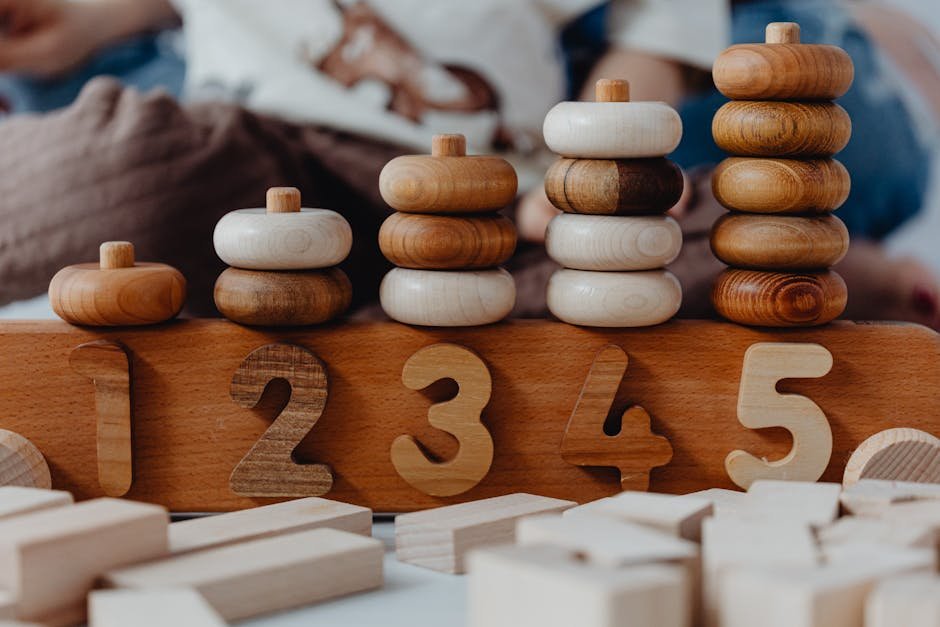
Many children benefit from associating numbers with visual patterns or auditory rhythms. For example, clapping along while reciting the 2 times table can reinforce the pattern and make learning more engaging. Parents might also use colored blocks to visually demonstrate the concept of doubling, arranging them in pairs to illustrate the even-numbered pattern. Plus, songs that emphasize the rhythm of counting by twos can be a fun way to reinforce these concepts. There are many online resources and apps that incorporate music and rhythm into learning the times tables, making it a more enjoyable and memorable experience for children.
Strategies for Teaching the 2 Times Table
Counting by Twos
One of the simplest methods to introduce the 2 times table is through skip counting. Encourage children to practice counting by twos in various settings: while climbing stairs, during car rides, or even while waiting in line. This repetitive practice solidifies their understanding that multiplication by two is essentially repeated addition. You might also consider creating a counting by twos chart with your child, which can serve as a visual reminder and a source of pride in their learning accomplishments.
Connecting to Doubling
Help children see the link between multiplication and addition by framing problems in terms of doubling. Explain that "two times five" is equivalent to "five plus five." This concrete connection helps demystify the multiplication process and makes it relatable to their everyday experiences. Discuss real-world examples, such as doubling a recipe or calculating two times the number of chairs around a table, to reinforce this connection.
Using Real-Life Pairs
Real life is full of pairs: eyes, ears, hands, shoes, and socks are just a few examples. Encourage children to count these pairs around them, reinforcing the idea of doubling in a way that's tangible and engaging. This practice not only reinforces the concept of multiplication by two but also makes math feel relevant to their world. You can turn this into a game by asking your child to find and count as many pairs as they can in a room, then multiply to find the total.
Spotting Even Numbers
Encourage children to notice even numbers in their environment. Point out even house numbers, even pages in a book, or even numbers on a clock face. This practice helps solidify their understanding that the 2 times table is the realm of even numbers, making it easier to recall multiplication facts when needed. Create a scavenger hunt where your child must find objects in the house or outside that come in even numbers, and have them explain why these numbers are significant in the context of the 2 times table.
Testing the Reverse
Once a child is comfortable with a fact like 2 x 7 = 14, challenge them with the reverse operation: what is half of 14? This exercise builds a strong connection between doubling and halving, skills that will be essential as they progress in math. Understanding this relationship aids in developing number sense and problem-solving skills. Use everyday situations, like sharing snacks or toys equally between two friends, to illustrate halving as the reverse of doubling.
Practice Techniques for Different Age Groups
For early elementary
At this developmental stage, children are often visual and tactile learners. Use physical objects like blocks or counters to demonstrate doubling. Engage them in games that involve counting by twos, such as counting pairs of socks or shoes. Songs and chants that incorporate skip counting can also be effective, as they tap into auditory learning styles. Consider using picture books that emphasize counting by twos or feature storylines involving pairs, which can further help solidify their understanding.
For the middle elementary years
As children mature, they can handle more abstract concepts. Introduce simple multiplication worksheets to practice the 2 times table in written form. Encourage them to solve real-world problems, like calculating the total number of wheels on a group of bicycles. Use digital platforms and apps that turn multiplication practice into a game-like experience to keep them engaged. You can also introduce math puzzles that require children to use multiplication and pattern recognition to find solutions.
For grades 5 and 6
Older children can benefit from timed quizzes and competitive games that challenge their speed and accuracy with the 2 times table. Introduce them to more complex problems that require the use of doubling, such as calculating area or understanding the binary system in computer programming. Encourage them to teach younger siblings or peers, as teaching is a powerful way to reinforce learning. Consider integrating multiplication into projects or group activities that require collaborative problem-solving and application of math skills.
Common Mistakes to Avoid
When teaching the 2 times table, avoid relying solely on rote memorization. While memorization has its place, understanding the "why" behind the math is crucial for deeper comprehension. Also, be cautious not to rush through the basics; ensure that children have a firm grasp of counting by twos and the concept of doubling before moving on to more complex tables. Lastly, avoid creating a high-pressure learning environment; stress and anxiety can hinder a child's ability to learn effectively.A common pitfall is neglecting to provide enough variety in practice methods. Without diverse and engaging ways to learn and reinforce the 2 times table, children might lose interest or fail to apply their knowledge in different contexts. Be sure to incorporate a mix of visual, auditory, and kinesthetic learning activities to cater to different learning styles.
Actionable Tips for Parents and Teachers
- Integrate learning into daily activities. Use everyday tasks as opportunities for practice, such as setting the table with pairs of utensils.
- Encourage frequent, short practice sessions. Regular, brief practice is more effective than occasional, lengthy sessions.
- Use technology sparingly and wisely. Choose apps and games that are educational and engaging, without overwhelming the child.
- Provide positive reinforcement. Celebrate successes, no matter how small, to build confidence and motivation.
- Maintain open communication with teachers. Collaborate to support the child's learning and address any concerns promptly.
- Model a positive attitude toward math. Show enthusiasm and interest in math to encourage the same in your child. Discuss how math is used in everyday life and share your own experiences of using math skills.
Addressing Special Situations
Test Anxiety
For children who experience test anxiety, practice mindfulness techniques or breathing exercises to help them stay calm during tests. Encourage them to approach problems one step at a time and remind them that it's okay to make mistakes. Establish a pre-test routine that includes calming activities like reading a favorite book or drawing, which can help set a positive mindset before the test begins.
ADHD
Children with ADHD may benefit from movement-based learning. Allow them to move while practicing, whether it's tapping their feet or bouncing a ball. Break tasks into smaller, manageable parts to maintain focus and reduce overwhelm. Consider using timers to create short bursts of focused activity, followed by brief breaks to help sustain attention and engagement.
Gifted Learners
Gifted children may need more challenging material to stay engaged. Introduce advanced multiplication concepts or explore the relationship between multiplication and division to keep them stimulated. Encourage them to explore math-related projects or puzzles that require critical thinking and creative problem-solving skills. Providing opportunities to delve into math-related topics, like coding or robotics, can offer an additional challenge.
Dyscalculia
For children with dyscalculia, use multisensory teaching methods. Combine visual aids, tactile activities, and auditory feedback to support their learning. Patience and persistence are key; these children may require more time and repetition to grasp concepts fully. Collaborate with specialists if necessary to develop tailored strategies and interventions that address the child's specific needs and challenges.
Talking to Your Child's Teacher
Open communication with your child's teacher is vital in supporting their learning. Share what strategies have been effective at home and ask for the teacher's recommendations for reinforcing learning in the classroom. Regularly check in on your child's progress and discuss any challenges or successes. Teachers can provide valuable insights and may suggest additional resources or strategies that align with classroom activities.
A Weekly Routine for Practicing the 2 Times Table
Establishing a weekly routine can provide structure and consistency in learning the 2 times table. Here's a simple plan:
- Monday: Practice counting by twos using a number line or chart. Spend 10-15 minutes reciting the 2 times table aloud.
- Tuesday: Use visual aids, such as colored blocks or cards, to explore the concept of doubling. Incorporate a short game or activity that involves real-life pairs.
- Wednesday: Solve simple multiplication problems on a worksheet or through an educational app. Focus on accuracy and understanding.
- Thursday: Play a multiplication game or engage in a creative activity, like making a drawing or story that involves the 2 times table.
- Friday: Review the week's learning with a fun quiz or a challenge, like finding even numbers around the house.
- Weekend: Encourage informal practice by discussing real-world applications of the 2 times table, such as during shopping or cooking.
Looking at the Long-Term Perspective
Mastering the 2 times table is more than just a milestone in a child's educational journey; it lays the groundwork for future mathematical success. As children progress, the skills developed through learning the 2 times table will aid them in understanding more complex mathematical concepts such as fractions, algebra, and geometry. By fostering a strong foundation and a positive attitude toward math at an early age, you are setting your child up for long-term academic achievements and practical life skills.Understanding multiplication and its applications in everyday life can also boost a child's confidence, making them more inclined to take on new challenges and explore different subjects. Encourage your child to view math as a tool in their toolkit for solving problems and understanding the world around them.
What kids and parents wonder
How long should it take for my child to learn the 2 times table?
The time it takes can vary significantly depending on the child's age, learning style, and previous experience with math. Some children may grasp the concept quickly within a few weeks, while others might need a few months of consistent practice and reinforcement. The key is to focus on understanding rather than speed.
What if my child struggles with memorization?
If memorization is challenging, focus on understanding the patterns and concepts behind the multiplication. Use a variety of teaching methods, such as visual aids and real-life examples, to reinforce learning. Remember that consistent practice and patience are crucial.
How can I make learning the 2 times table more fun?
Incorporate games, songs, and interactive activities into your practice sessions. Use apps or online resources that present multiplication in a game-like format. You can also create friendly competitions or challenges to keep the learning process engaging and exciting.
Should I worry if my child is behind in learning the 2 times table?
It's natural for children to learn at different paces. Focus on providing support and encouragement, and work closely with your child's teacher to identify any areas of difficulty. Together, you can develop strategies to address these challenges and help your child progress.
Last word
The journey to mastering the 2 times table can be a rewarding experience for both children and their parents or teachers. By making learning engaging, relevant, and supportive, you can help your child develop not just a crucial mathematical skill but also a lifelong love for learning. Remember, the key lies in patience, consistency, and encouragement. By embedding these practices into your daily routine, you ensure that your child is not just memorizing facts, but truly understanding and enjoying the world of numbers.
