Veerle Dielen · Elementary teacher · March 29, 2026 · Classroom & Teachers
Differentiated Math Centers for Classrooms
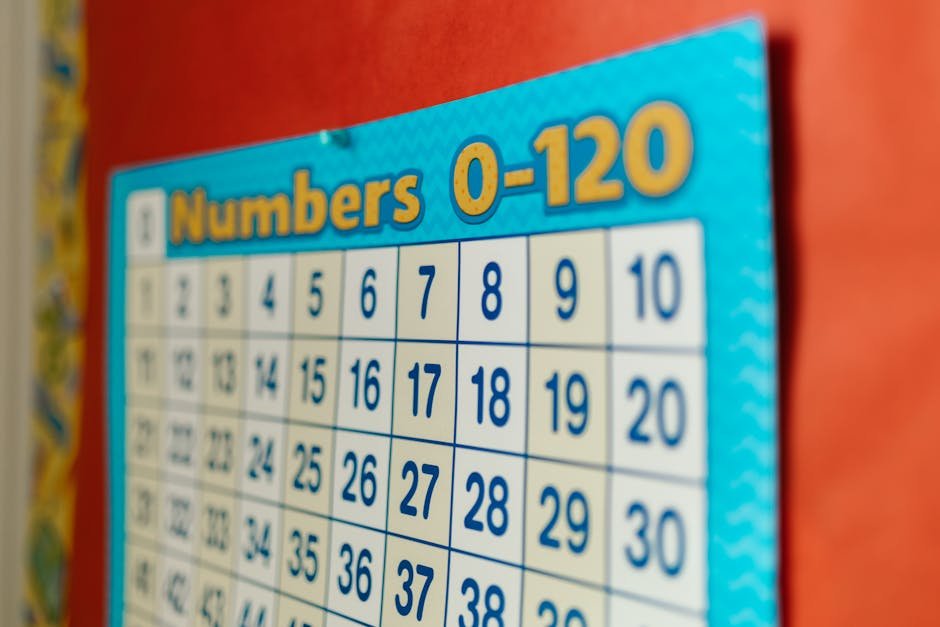
Math centers, otherwise known as small learning stations, provide a structured way for students to engage in a variety of educational activities. These centers allow teachers to address different skill levels simultaneously. While one group is immersed in activities at Center A, another might be tackling tasks at Center B, while a third group receives direct instruction from the teacher. This setup provides an effective framework for helping students build multiplication fluency. Let's dive deeper into how these math centers work and how they can be effectively implemented in elementary classrooms.
The Importance of Differentiated Math Centers
Understanding the value of differentiated math centers is key before diving into the specifics of each center. These centers offer personalized learning experiences, ensuring that each child is challenged at their appropriate level. This approach helps prevent students from feeling overwhelmed or bored, which can often happen in a one-size-fits-all teaching method. By catering to individual needs, teachers can nurture a supportive learning environment where students feel confident and motivated.
Building Confidence and Competence
One major advantage of differentiated math centers is the boost in confidence they provide to students. When children work at their own pace and level, they are more likely to experience success. This success, in turn, builds their self-esteem and encourages a positive attitude toward math.For instance, a student who struggles with multiplication can work on foundational skills without pressure, while more advanced students can tackle challenging problems that push their limits. This tailored approach ensures that all students, regardless of their starting point, can achieve growth and mastery.
Understanding the Five Center Designs
There are five primary types of centers that have proven effective for building multiplication fluency. Each serves a unique purpose and caters to different learning styles and abilities. Let’s break down each one:
Center 1: Drill Practice
Drill practice centers focus on reinforcing basic multiplication facts. Using flashcards, dice games, or educational apps, students practice in a low-pressure environment. Activities are often self-checking, allowing students to learn from their mistakes without fear of judgment. This center can be particularly effective for Grades 3-4, where mastering multiplication facts is crucial.Case Study: Consider a third-grade classroom where students use flashcards to quiz each other. One student holds up a card with "7 x 8," and the other quickly responds with "56". They then switch roles. This peer interaction not only reinforces memory but also builds confidence.
Center 2: Word Problems
Word problem centers present students with single-step multiplication problems embedded in real-world scenarios. Students read each problem carefully, solve it, and discuss their reasoning. This approach enhances comprehension and application skills, making it ideal for Grades 5-6, where students are ready to tackle more complex problem-solving tasks.Example: A problem might state, "If each student receives 3 pencils and there are 5 students, how many pencils are needed in total?" Students learn to identify the relevant information and perform the multiplication to find the answer.
Center 3: Visual / Manipulative
Visual or manipulative centers employ hands-on materials such as counters, cubes, and area model paper. Students create physical representations of multiplication problems, which helps link abstract concepts to concrete experiences. This center is particularly beneficial for Grades K-2, where young learners are developing foundational math skills.Case Study: In a first-grade class, children might use colored cubes to represent multiplication problems. For instance, they might group cubes into sets of 2 to visually demonstrate "2 x 3" as two rows of three cubes each. This visualization aids in understanding the concept of multiplication as repeated addition.
Center 4: Game-Based
Game-based centers incorporate math board or card games that involve multiplication. These games can be either cooperative or competitive and are designed to engage students while reinforcing math skills. This approach is great for all grades, as it adds an element of fun to learning, motivating students to participate actively.Example: A popular game might involve rolling dice to move around a board, solving multiplication problems to advance. Players compete to reach a finish line, turning practice into an exciting challenge.
Center 5: Teacher Group
The teacher group center offers direct instruction or guided practice with the teacher. This is the smallest group, allowing for highly targeted support. Teachers can address specific areas where students need the most help, making it an essential component for all grade levels.Case Study: In a fourth-grade class, the teacher might work with a small group struggling with the concept of multi-digit multiplication. By offering personalized guidance and feedback, the teacher helps these students gain a better grasp of the material.
Effective Rotation Structures
A well-structured rotation schedule is key to the success of differentiated math centers. Typically, a class might have five centers, each lasting about 12 minutes. This allows students to rotate through all activities within an hour. Differentiation is achieved within each center through varying levels of difficulty in the materials provided.
Planning the Rotation
Planning an effective rotation structure involves considering the specific needs of your classroom. A good rule is to start with shorter rotations and gradually increase the time as students become more adept at managing their tasks. For example, begin with 8-minute sessions before moving up to 12 minutes to ensure students remain engaged and focused.Adjusting the rotation schedule based on class feedback is also crucial. If students express that they need more time at certain centers, be flexible and make the necessary adjustments to accommodate their learning needs.
Actionable Tips for Implementing Math Centers
- Start Small: Begin with just a few centers and gradually add more as students become comfortable with the rotation process.
- Clearly Define Expectations: Make sure students understand what is expected at each center, including behavior and academic goals.
- Use Technology Wisely: Incorporate apps and online resources for drill practice and interactive games, but ensure screen time is balanced with hands-on activities.
- Monitor and Adjust: Regularly assess the effectiveness of each center and be prepared to make changes based on student needs and feedback.
- Facilitate Peer Learning: Encourage students to help each other, fostering a collaborative learning environment.
Implementing math centers requires careful planning and flexibility. By starting small and gradually expanding, teachers can create an effective learning environment that is responsive to the needs of each student.
Common Mistakes to Avoid
While math centers can be incredibly effective, there are common pitfalls to watch out for. Avoid these mistakes to ensure a smooth implementation:
- Overcrowding Centers: Keep groups small to ensure each student gets adequate attention and space to learn.
- Lack of Variety: Ensure a mix of activities to cater to different learning styles and prevent monotony.
- Ignoring Individual Needs: Tailor activities to match student abilities; avoid a one-size-fits-all approach.
- Inadequate Preparation: Make sure all materials are ready and instructions are clear before students begin their rotations.
Avoiding these common mistakes can help maintain a productive and engaging learning environment. Proper preparation and an understanding of each student's needs are essential components in the success of math centers.
Adapting to Special Situations
Every classroom is unique, and special circumstances may require adjustments to the standard math center setup. Here are some strategies for addressing specific needs:
Students with Test Anxiety
For students who struggle with test anxiety, create a relaxed environment at the drill practice center. Use positive reinforcement and emphasize the learning process over getting the "right" answer. Encouraging a growth mindset can also help, where mistakes are seen as learning opportunities rather than failures.
ADHD Considerations
Students with ADHD may benefit from shorter, more frequent rotations. Incorporate movement-based activities, like using a hopscotch multiplication game, to help them stay engaged. Providing clear and concise instructions can also help keep these students focused and on task.
Supporting Gifted Students
Provide advanced materials and challenging word problems for gifted students. Encourage them to create their own games or puzzles to further explore multiplication concepts. This allows them to delve deeper into the subject and apply their knowledge creatively.
Addressing Dyscalculia
For students with dyscalculia, offer extra support at the teacher group center. Use visual aids and repetition to reinforce understanding, and be patient with their progress. Personalized strategies, like using number lines or visual models, can significantly aid their learning process.
A Weekly Routine for Success
Establishing a weekly routine can help both teachers and students thrive in a math center environment. Here's a suggested plan:
- Monday: Introduce new concepts and set up the centers. Explain the activities and objectives for each center clearly.
- Tuesday - Thursday: Rotate through centers. Allow students to spend time at each station, focusing on different skills and activities.
- Friday: Review and assess. Use this day to assess student progress and gather feedback. Adjust the following week's centers based on student needs.
A structured routine helps students know what to expect and keeps them engaged. It also provides teachers with regular opportunities to assess and tailor instruction to better meet student needs.
Talking to Your Child's Teacher
Open communication between parents and teachers enhances the effectiveness of math centers. If you're a parent, here are ways to engage with your child's teacher:
- Ask Questions: Inquire about how your child is progressing in math centers. What are their strengths and areas for growth?
- Share Observations: Let the teacher know about any struggles or successes your child experiences at home.
- Request Resources: Ask for recommendations on resources or activities you can use at home to support your child's learning.
By maintaining a dialogue with your child's teacher, you can better support your child's learning journey and stay informed about their progress.
When to Seek Outside Help
Sometimes, additional support outside the classroom may be necessary. Here are signs that your child might benefit from extra assistance:
- Consistent Struggles: If your child consistently struggles with math concepts despite interventions, it might be time to consider tutoring or additional resources.
- Lack of Progress: If there is little to no improvement in your child's math skills over time, a different approach might be needed.
- Emotional Distress: If math becomes a source of anxiety or frustration for your child, seeking help can provide them with the support they need to regain confidence.
Seeking outside help can provide personalized attention and strategies tailored to your child's unique learning needs.
Fostering Long-Term Success
Differentiated math centers are not just about mastering multiplication; they are about instilling a love for math and building a strong foundation for future learning. By making math engaging and accessible to all students, we lay the groundwork for lifelong success in mathematics.Encouraging a positive attitude towards math can help students overcome challenges and develop resilience. As students progress through different grade levels, the skills and confidence gained from math centers will continue to benefit them.
Conclusion: A Pathway to Math Mastery
Differentiated math centers offer a dynamic and effective way to teach multiplication. Through a variety of activities and personalized instruction, students can develop essential math skills while enjoying the learning process. By understanding the specific needs of each child and adapting the centers accordingly, educators can foster a supportive and enriching environment that encourages math mastery.Whether you're a teacher implementing these centers in your classroom or a parent supporting your child's learning journey, remember that the goal is to make math both enjoyable and educational. With the right strategies in place, you can help each student unlock their full potential in mathematics.
Questions we hear a lot
How do I know if my child is benefiting from math centers?
Look for signs of engagement and progress. If your child talks enthusiastically about what they learned or shows improvement in their math skills, the centers are likely effective. Regular communication with their teacher can also provide insights into their progress.
What if my child finds the activities too easy or too difficult?
Discuss this with their teacher. It's crucial that activities are appropriately challenging. Teachers can adjust the level of difficulty or provide different materials to better suit your child's needs.
Can math centers be adapted for other subjects?
Absolutely! The concept of learning centers can be applied to subjects like reading, science, and social studies. The key is to create activities that engage different learning styles and skill levels.
How can I support math learning at home?
Engage your child in math-related games and activities. Encourage practical math applications, like measuring ingredients in a recipe or calculating change while shopping. These real-world applications can reinforce classroom learning.
What should I do if my child dislikes math?
Focus on making math fun and relevant. Use games, puzzles, and real-life scenarios to show the practical side of math. Positive reinforcement and celebrating small successes can also help shift their attitude towards the subject.
