
How to Learn the Times Tables: 5 Proven Methods
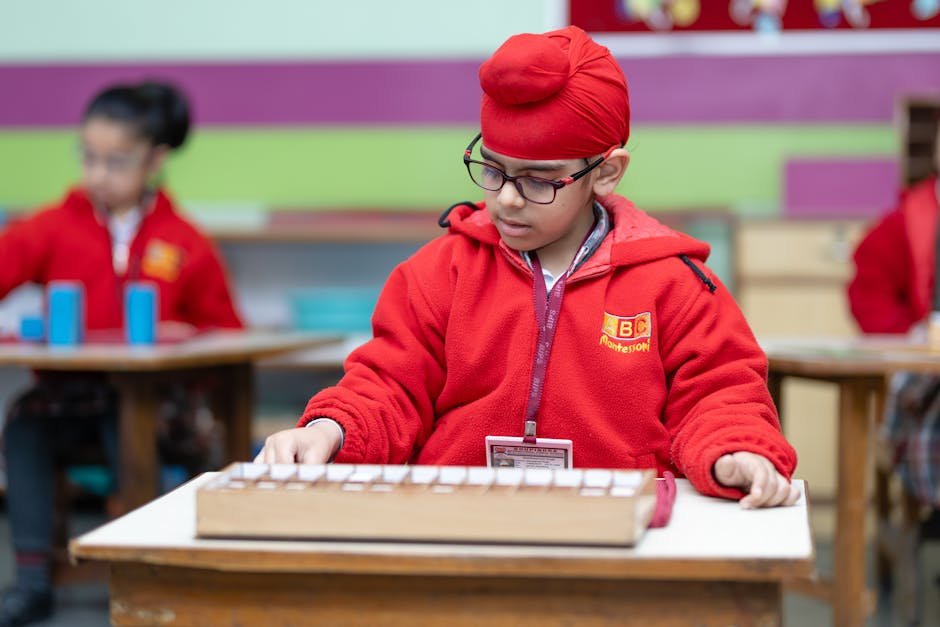
Every kid learns differently, and the times tables are no exception. What clicks for one child can frustrate another. The good news is that decades of classroom experience have produced a small set of methods that work for almost every learner. Mix and match these five, and you will find the approach that fits your child.
Understanding the Basics of Multiplication
Before diving into specific methods, it's crucial to understand what multiplication really is. At its core, multiplication is simply repeated addition. By learning this, children can start to see patterns that make multiplication easier to grasp. For example, if you have 3 groups of 4 apples, you're essentially adding 4 three times, which results in 12 apples. This foundational understanding is crucial as it sets the stage for more advanced multiplication strategies.
Another way to visualize multiplication is through arrays. An array is a set of objects arranged in rows and columns. For instance, a 3 by 4 array represents 3 rows of 4 apples each, totaling 12 apples. Using visual aids like arrays can help reinforce the concept of multiplication as repeated addition.
1. Skip Counting
Skip counting is the gateway to multiplication. Counting "two, four, six, eight" or "five, ten, fifteen, twenty" gives kids the rhythm of a times table before they have to memorize a single fact. This method helps children to see multiplication as a series of steps rather than isolated facts.
Real-Life Applications
Incorporate skip counting into everyday activities to make it more relatable. Walk up stairs counting by twos, count nickels by fives, or stamp feet by threes. These activities not only make learning fun but also illustrate how multiplication is applied in daily life. For example, when walking the dog, count the number of steps you take by twos or fives to incorporate skip counting naturally.
Case Study: Emily in Second Grade
Emily struggled with memorizing times tables, but her teacher noticed she enjoyed music. By turning skip counting into a song, Emily quickly picked up the rhythm and was able to recall multiplication facts much faster. This approach turned a frustrating experience into an enjoyable one. Emily also began creating her own songs and rhymes, further solidifying her understanding.
2. Doubling and Halving
Doubling is one of the most useful mental math skills there is. It also unlocks the 2, 4, and 8 times tables. If a child knows 3 + 3 = 6, then 2 x 3 = 6 too. If they know that 2 x 7 = 14, then 4 x 7 is just 14 doubled to 28, and 8 x 7 is 28 doubled to 56.
The Power of Doubling
Once doubling clicks, three times tables come almost free. It's a strategy that simplifies the learning process by leveraging what children already know. For example, once a child understands that 5 + 5 = 10, they can easily derive 2 x 5 = 10. This technique can be expanded to more complex problems, such as using halving and doubling to solve 6 x 7 by calculating 3 x 14 first and then doubling the result.
Case Study: The Smith Family's Game Night
The Smith family incorporated a "doubling game" into their weekly game night. By using cards with simple addition facts, they encouraged their children to shout out the doubled value. This not only reinforced their doubling skills but also made learning a family activity. They also played a version where incorrect answers required a funny dance, adding more fun to the learning process.
3. The Commutative Trick
The commutative property of multiplication says that 3 x 7 equals 7 x 3. This single insight cuts the work in half. The grid of 144 multiplication facts has only about 78 unique answers once you remove the duplicates.
Simplifying Memorization
Teach kids that they only need to memorize one version of every pair, and the times tables suddenly feel less overwhelming. This method reduces the cognitive load and allows children to focus on understanding rather than rote memorization. Encourage your child to pair up multiplication problems to reinforce this concept, such as flipping flashcards to find the commutative pair.
Case Study: Jake’s Lightbulb Moment
Jake was overwhelmed by the number of multiplication facts he needed to learn. Once he grasped the commutative property, he realized he only had to learn half as many facts. This newfound confidence propelled him to tackle multiplication with enthusiasm. His teacher further encouraged him by creating a math club where students shared their own tricks for simplifying math.
4. Story Problems and Real Objects
Multiplication makes the most sense when it solves a real question. Three bags with five candies each: how many candies in total? Four shelves with six books each: how many books?
Concrete Learning
Stories and objects turn abstract facts into something kids can see and feel. This builds the deeper understanding that pure memorization cannot. By using objects and stories, children can visualize the multiplication process. Use everyday scenarios, like dividing snacks equally among friends, to make multiplication relatable and meaningful.
Case Study: Mia’s Candy Shop
Mia loved playing with her toy candy shop. Her parents used her interest to teach multiplication by asking questions like, "If you have three bags with five candies each, how many candies do you have?" This method helped Mia relate multiplication to something tangible and enjoyable. She even began creating her own story problems using other toys.
5. Short Daily Practice
Five minutes every day beats one hour once a week. The brain consolidates memory in the gaps between sessions, especially during sleep. Short, frequent practice is exactly how the times tables become automatic.
Creating a Routine
Establishing a daily routine helps children build strong study habits. Three quick rounds of practice spread across a week will produce better recall than a single long, frustrating session. Consistency is key. Consider setting a specific time each day, like right after dinner or before bedtime, to ensure that practice becomes a natural part of daily life.
Case Study: The Johnson Family’s Daily Routine
The Johnson family made multiplication practice a part of their morning routine. Each day, they spent five minutes on multiplication facts during breakfast. This consistent practice led to significant improvements in their children’s multiplication skills. Plus, they used breakfast items, like cereal pieces, to create and solve multiplication problems, making the routine interactive and fun.
What to avoid
While there are many effective methods for teaching multiplication, there are also some common pitfalls to be aware of. It's crucial to avoid overwhelming your child with too many strategies at once. Focus on one method at a time to prevent confusion and ensure a solid understanding before moving on to the next technique.
Rote Memorization Without Understanding
Memorizing times tables without understanding the underlying concepts can lead to frustration and a lack of deeper comprehension. Make sure to combine memorization with conceptual learning. Encourage your child to explain their thought process and reasoning behind each answer to foster a deeper understanding.
Inconsistency in Practice
Irregular practice can hinder progress. Consistency is critical for solidifying multiplication skills. Make sure practice sessions are regular and short rather than sporadic and lengthy. Set specific goals for each session to maintain focus and motivation.
Actionable Tips for Parents
- Start with skip counting to introduce the concept of multiplication.
- Use daily objects to make multiplication relatable. For example, count fruit pieces or building blocks during playtime.
- Incorporate games and songs to make learning fun. Turn multiplication facts into catchy tunes or rhymes.
- Focus on understanding the commutative property to reduce memorization load.
- Establish a consistent, short daily practice routine. Use a timer to keep sessions brief and focused.
- Celebrate small successes to build confidence and encourage continued effort.
For early elementary
Introducing multiplication concepts at an early age can be beneficial. For younger children, focus on simple multiplication concepts using visual aids and manipulatives.
Using Visuals and Manipulatives
Use objects like colored blocks, beads, or even snacks to demonstrate multiplication concepts. Create small groups and ask children to count the total number of items to reinforce the concept of repeated addition.
Interactive Games and Activities
Engage younger children with interactive games that incorporate multiplication. Board games that require counting or matching games can be effective in introducing basic multiplication concepts in a playful manner.
For grades 3 and 4
At this stage, children are ready to delve deeper into multiplication concepts. Focus on building speed and accuracy with multiplication facts.
Drills and Practice Sheets
Introduce timed drills to improve speed and accuracy. Use practice sheets that focus on specific times tables to reinforce learning. Encourage children to track their progress and aim for personal bests.
Exploring Patterns
Help children recognize patterns in multiplication tables, such as the pattern of 5s always ending in 0 or 5. Understanding these patterns can make memorization easier and more intuitive.
For upper elementary
Older elementary students can apply multiplication knowledge to more complex math problems and real-life scenarios.
Word Problems and Applications
Introduce word problems that require multiplication to solve. Use scenarios like calculating the total cost of multiple items or determining the area of a rectangle to apply multiplication in practical contexts.
Advanced Strategies
Teach older students advanced strategies, such as breaking down larger multiplication problems into smaller, more manageable parts. For example, solving 12 x 15 by calculating (10 x 15) + (2 x 15) can reinforce their understanding of multiplication's flexibility.
Special cases
Every child is unique, and some may require special approaches to learning multiplication. Here are some strategies for special situations:
Test Anxiety
For children with test anxiety, create a calm and supportive learning environment. Practice breathing exercises and positive affirmations to build confidence and reduce stress. Encourage them to focus on effort rather than perfection.
ADHD
Children with ADHD may benefit from short, engaging activities that capture their attention. Use hands-on materials and interactive games to keep them focused and involved. Break tasks into smaller steps and provide frequent breaks to maintain concentration.
Gifted Learners
Gifted learners may become bored with traditional methods. Challenge them with complex problems and encourage them to find multiple solutions to a single problem. Offer opportunities for independent exploration and research to nurture their curiosity and creativity.
Dyscalculia
For children with dyscalculia, use visual aids and manipulatives to enhance understanding. Break down problems into smaller steps and provide plenty of practice with concrete examples. Consider working with a specialist or using specialized resources to support their learning needs.
Collaborating with Schools
Working closely with your child's school can greatly enhance their learning experience. Communicate regularly with teachers to understand the methods being used in the classroom. This collaboration ensures consistency between home and school learning environments.
Supporting Classroom Learning
Ask teachers for resources or techniques that align with classroom instruction. This will help reinforce what your child is learning at school and provide additional support at home. Consider volunteering in the classroom to gain insights into your child's learning style and progress.
Engaging in School Activities
Participate in school activities and workshops focused on mathematics. This involvement not only demonstrates the importance of learning but also provides valuable insights into how you can support your child's education. Attend parent-teacher conferences and school meetings to stay informed and involved.
The Long-Term Perspective
Mastering the times tables is not just about passing a test or completing a homework assignment. It lays the foundation for more advanced math concepts and problem-solving skills. The ability to quickly recall multiplication facts supports future learning in subjects like algebra, geometry, and calculus.
Encourage your child to view learning multiplication as a journey rather than a destination. Celebrate small victories along the way to keep motivation high and reinforce the joy of learning. Emphasize the real-world applications of multiplication in areas like budgeting, cooking, and even sports.
A weekly approach
Establishing a weekly routine can help structure your child's multiplication practice and ensure steady progress.
Monday: Introduction and Review
Begin the week by introducing new multiplication concepts or reviewing previously learned material. Use visual aids and manipulatives to reinforce understanding.
Tuesday: Practice and Application
Focus on practice activities like worksheets, drills, or interactive games. Encourage children to apply multiplication in real-life scenarios, such as planning a hypothetical shopping trip.
Wednesday: Creative Exploration
Incorporate creative activities like writing multiplication songs or creating story problems to make learning enjoyable and memorable. Engage in group discussions to explore different problem-solving strategies.
Thursday: Assessment and Feedback
Use quizzes or informal assessments to gauge progress. Provide constructive feedback and identify areas for improvement. Encourage self-reflection and goal-setting.
Friday: Consolidation and Fun
End the week with a fun activity that reinforces multiplication concepts, such as a math game or a family math night. Celebrate achievements and review the week's learning to consolidate understanding.
When to Seek Outside Help
While many children can learn multiplication with the support of parents and teachers, some may benefit from additional help.
Signs Your Child May Need Extra Support
If your child consistently struggles with multiplication concepts, shows signs of frustration or anxiety, or falls behind their peers, it may be time to consider outside help. Consult with your child's teacher to discuss potential interventions and resources.
Options for Additional Support
- Tutoring: Consider hiring a tutor who specializes in math to provide personalized instruction and support.
- Online Resources: Utilize online platforms and educational apps that offer interactive lessons and practice activities.
- Specialized Programs: Look for programs designed to support children with specific learning needs, such as dyscalculia or ADHD.
Talking to Your Child's Teacher
Effective communication with your child's teacher can enhance their learning experience and ensure consistency between home and school.
Building a Partnership
Establish open lines of communication with your child's teacher. Share insights about your child's learning style and any challenges they may face. Collaborate to develop strategies that support your child's unique needs.
Seeking Feedback and Guidance
Regularly seek feedback from the teacher regarding your child's progress and areas for improvement. Ask for recommendations on resources, activities, and strategies that align with classroom instruction.
Questions we hear a lot
How can I make multiplication fun for my child?
Incorporate games, songs, and real-life applications to make learning multiplication enjoyable. Use interactive activities and creative exploration to engage your child's interest.
How do I know which multiplication method is best for my child?
Observe your child's learning style and preferences. Experiment with different methods to see which ones resonate most with your child. Be flexible and willing to adapt your approach as needed.
What if my child struggles with multiplication despite regular practice?
If your child continues to struggle, consider seeking additional support from a tutor or exploring specialized programs. Communicate with your child's teacher to identify potential challenges and develop targeted strategies.
How long should daily multiplication practice sessions be?
Keep practice sessions short, around 5-10 minutes, to maintain focus and prevent fatigue. Consistency is more important than duration, so aim for regular, brief practice sessions throughout the week.
What age should my child start learning multiplication?
Introduce basic multiplication concepts in grades K-2 using visual aids and manipulatives. As your child progresses to grades 3-4, focus on building speed and accuracy with multiplication facts.
Mastering multiplication tables is a crucial milestone in your child's math education. By employing effective methods, avoiding common pitfalls, and collaborating with teachers, you can guide your child to success. With patience, persistence, and the right approach, your child will not only master the times tables but also develop a lifelong love for mathematics.