Veerle Dielen · Elementary teacher · January 26, 2026 · Age & Grade
Preparing Preschoolers for the Times Tables: Playful Math First
Understanding the Preschool Stage
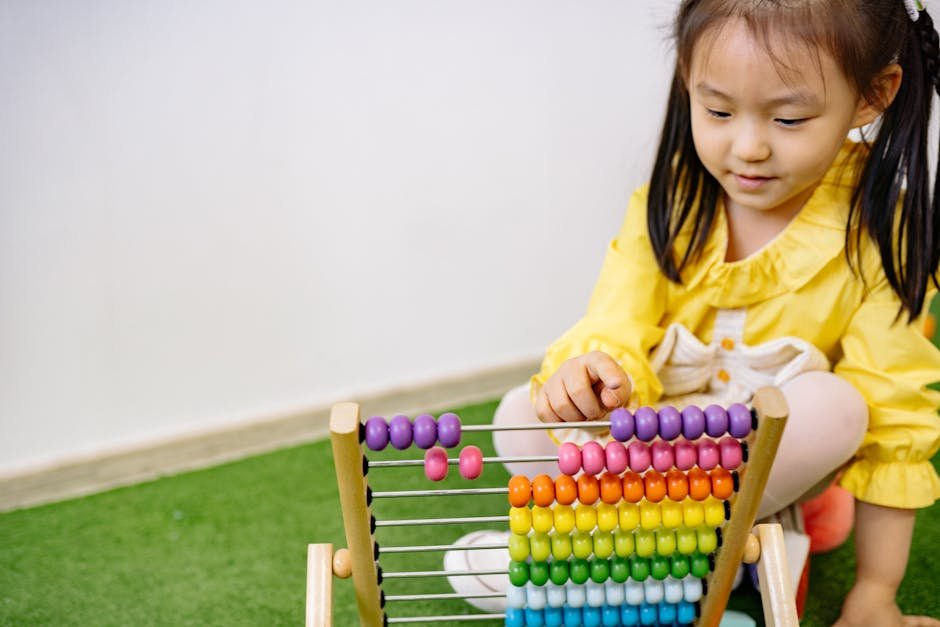
Parents of preschoolers often find themselves pondering whether they should introduce multiplication tables early to give their child a head start. While it's tempting to think of early multiplication as an advantage, the truth is that a 4- or 5-year-old is not yet ready for multiplication facts. Starting too early can lead to frustration and anxiety. Instead, focus on building number sense and grouping intuition, which are essential skills that pave the way for multiplication in second or third grade.During preschool, children are rapidly developing their cognitive abilities, but they need time to fully grasp the basic concepts of numbers and counting. This stage is more about exploration and understanding the world through tangible experiences rather than abstract concepts like multiplication. By introducing playful math activities, children can develop a love for numbers and a solid foundation for future learning.
Building Blocks of Future Math Skills
What Preschoolers Can Already Grasp
By the age of 4 or 5, most children can:
- Count out loud up to 10, and sometimes beyond
- Match number names to small quantities of objects, such as 3 cookies or 5 fingers
- Compare quantities using terms like "more" and "fewer"
- Recognize simple repeated patterns
- Group objects based on attributes such as color, size, or shape
These skills are the precursors to understanding multiplication. While formal multiplication tables come later, these early experiences lay the groundwork for future mathematical learning. For example, when children group objects by color or shape, they are practicing categorization, a skill that enhances logical thinking and problem-solving abilities.
The Role of Language in Math
Language plays a crucial role in math learning for preschoolers. Introducing vocabulary such as "pair," "double," and "equal" helps children articulate their understanding of numbers and quantities. As they become familiar with these terms, they can more easily transition to understanding more complex mathematical concepts later on.
Playful Activities That Build the Foundation
Counting in Groups
Introduce counting by groups in a fun and engaging manner. For example, try counting by twos with your child: 2, 4, 6, 8, 10. Turn it into a song or a chant to keep it lively. This skip-counting practice is the first step toward understanding the 2 times table. You can also involve physical activities, like hopping or clapping, to make the counting experience more dynamic.
Creating Equal Groups with Objects
Use everyday objects to illustrate the concept of equal groups. Ask your child to make three piles, with two crackers in each pile, and then count the total number of crackers. This exercise helps children understand the idea of "groups of" and is a stepping stone to multiplication. Extend this activity by asking them to divide objects into different group sizes to explore division concepts early on.
Identifying Arrays in Everyday Life
Arrays are everywhere in our daily lives. Point out a dozen eggs in a carton as two rows of six or notice the tiles on the floor arranged in a grid. Recognizing these patterns helps children see multiplication and division in a tangible form. Encourage them to create their own arrays using blocks or toys, reinforcing their understanding through hands-on experience.
Playing Doubling Games
Introduce the concept of doubling with simple games. For example, if you have three pennies and your child gives you three more, how many pennies do you have? These exercises reinforce the idea of "twice as many" with small, manageable numbers. You can also use snacks like grapes or raisins to make the activity even more enjoyable and relatable for young children.
Comparing Groups
Challenge your child to compare groups: "Are three plates with two cookies each the same total as two plates with three cookies each?" This activity subtly introduces the commutative property of multiplication, where the order of factors does not affect the product. Encourage them to use different objects and group sizes to explore this concept further.
Engaging with Songs and Rhymes
Catchy counting songs and rhymes that use skip-counting, such as 5, 10, 15, 20, are great tools. These tunes plant the seeds for the 5 times table, making the concept of multiplication fun and memorable. Incorporate these songs into daily routines, like during car rides or bath time, to reinforce learning in a stress-free environment.
Incorporating Math in Daily Life
Use everyday scenarios to practice math. For example, if you and your sister each get two cookies, how many should I bake? These real-world applications of math show children the practical importance of the skills they are learning. Encourage your child to participate in activities like setting the table or sorting laundry, where they can practice counting and grouping naturally.
Tips for Different Age Groups
Kindergarten to 2nd Grade
For young children, focus on hands-on activities and visual aids. Use colorful blocks to demonstrate grouping and patterns. Encourage them to count objects in sets and to recognize numbers in everyday settings. Engage them with simple math games that reinforce counting and grouping skills. Incorporate storytelling into math lessons to make concepts more relatable and engaging.
Grades 3-4
By third and fourth grade, students are typically ready to tackle multiplication tables more formally. Encourage them to practice skip-counting and use flashcards to reinforce their memory. Introduce them to simple multiplication problems and encourage them to solve these problems both verbally and in writing. Consider using multiplication apps or online games to make practice sessions more interactive and fun.
Grades 5-6
Students in fifth and sixth grade should focus on mastering multiplication tables and applying their knowledge to more complex problems. Encourage them to use multiplication in real-life scenarios, such as calculating the total cost of multiple items or determining the area of a room. Challenge them with word problems that require critical thinking and multiplication skills. Introduce concepts like fractions and decimals to broaden their mathematical understanding.
Common Mistakes to Avoid
When teaching math to young children, there are several pitfalls to steer clear of:
- Do not drill multiplication facts at an early age. The brain is not ready, and the experience can create lasting anxiety.
- Avoid emphasizing speed over understanding. Focus on grasping the concept first, and worry about speed later.
- Do not introduce written times tables too early. Use manipulatives and storytelling to make math relatable and engaging.
- Avoid testing preschoolers on math. At this stage, math should be about play and exploration, not assessment.
- Ensure that math exercises are age-appropriate and do not overwhelm children with advanced concepts too soon.
Actionable Tips for Parents and Teachers
- Engage children in math through play and exploration.
- Use everyday objects to demonstrate mathematical concepts.
- Incorporate songs and rhymes to make learning enjoyable.
- Encourage children to see math in their daily activities.
- Provide positive reinforcement and celebrate successes, no matter how small.
- Be patient and allow children to learn at their own pace.
- Stay involved and communicate regularly with teachers about your child’s progress.
- Use technology, such as educational apps and games, to supplement learning.
- Create a math-friendly environment at home with books, games, and puzzles.
- Encourage a growth mindset by emphasizing effort and persistence.
- Regularly discuss what they learned in math class and how they can apply it in real life.
- Set aside time each week to play math-related games or do puzzles together as a family.
What studies show
Research in early childhood education highlights the importance of hands-on learning and play-based activities in developing children's mathematical understanding. Studies have shown that children who engage in playful math activities tend to perform better in math later on. This is because play allows children to explore concepts in a stress-free environment, fostering creativity and critical thinking.Plus, research indicates that parental involvement in math education can significantly boost a child's confidence and interest in the subject. By participating in math activities with their children, parents can demonstrate the value of math in everyday life and create positive associations with learning.
Different circumstances
Addressing Test Anxiety
Some children experience anxiety when faced with math tests or quizzes. Help them manage this by providing practice tests at home, encouraging deep breathing exercises, and reminding them that it’s okay to make mistakes and learn from them. Create a calm and supportive environment during study sessions to reduce stress.
Supporting Children with ADHD
Children with ADHD may need more hands-on activities and frequent breaks. Use tactile learning tools and break down tasks into smaller, more manageable steps. Keep sessions short and focused to maintain their attention. Introduce movement-based activities that allow them to use their energy productively while learning math concepts.
Challenges for Gifted Students
Gifted students may need more challenging material to stay engaged. Offer them more complex problems and encourage them to explore math concepts beyond their grade level. Consider enrichment programs or advanced math clubs. Provide opportunities for them to teach others, reinforcing their own understanding and building leadership skills.
Understanding Dyscalculia
For children with dyscalculia, use visual aids and repetitive practice to build understanding. Work closely with teachers and specialists to develop an individualized learning plan that meets their needs. Incorporate multisensory techniques, such as drawing or using physical objects, to help them grasp math concepts more effectively.
In the Classroom vs. At Home
The approach to teaching math can differ significantly between the classroom and home settings. In the classroom, teachers often follow a structured curriculum and use standardized methods to introduce mathematical concepts. They may use group activities, visual aids, and interactive lessons to engage students and foster collaboration.At home, parents have the flexibility to tailor activities to their child's interests and learning style. This personalized approach can help reinforce classroom learning and provide additional support where needed. By incorporating math into everyday routines and making it a fun part of family life, parents can enhance their child's understanding and enjoyment of math.
Bridging the Gap
To bridge the gap between classroom and home learning, maintain open communication with teachers and stay informed about the curriculum. Use the techniques and strategies that work best for your child and collaborate with teachers to ensure consistency in teaching methods. Share resources and ideas with other parents to create a supportive learning community.
When to Seek Outside Help
While many math-related challenges can be addressed at home, there are times when seeking outside help is beneficial. If your child consistently struggles with math concepts despite your efforts, consider consulting a tutor or educational specialist. They can provide targeted support and address specific learning needs.Even better, if your child exhibits signs of learning difficulties, such as dyslexia or dyscalculia, work with school professionals to develop an individualized education plan (IEP). This plan will outline strategies and accommodations to support your child's learning and ensure they receive the appropriate resources.
Talking to Your Child's Teacher
Maintaining open communication with your child's teacher is crucial for their math success. Attend parent-teacher conferences to discuss your child’s progress and any concerns you have. Collaborate with teachers to understand the curriculum and how you can support your child's learning at home. Be proactive in seeking additional resources or support if your child is struggling with math concepts.
Effective Communication Tips
- Prepare questions and topics to discuss before meetings with the teacher.
- Share observations about your child's strengths and areas for improvement.
- Ask for specific strategies or resources to support learning at home.
- Express your willingness to collaborate and be involved in your child's education.
- Follow up with the teacher regularly to monitor progress and adjust strategies as needed.
Weekly schedule
Establishing a weekly routine can help parents and children incorporate math learning into their everyday lives. Here's a suggested plan:
- Monday: Review counting skills with a fun song or chant during breakfast.
- Tuesday: Engage in a hands-on activity like building arrays with blocks.
- Wednesday: Play a math-related game or puzzle together in the evening.
- Thursday: Explore math concepts through cooking, like measuring ingredients.
- Friday: Discuss the week's math learning and celebrate achievements.
- Saturday: Visit a park or museum that offers educational math exhibits.
- Sunday: Relax and read a math-themed storybook or watch an educational video.
Long-Term Perspective on Math Learning
Building a solid foundation in math during the early years sets the stage for future academic success. Encourage your child to see math as a useful and exciting part of everyday life, and support them in developing a positive attitude towards learning. As they grow, help them set realistic goals and celebrate achievements along the way.Remember that math learning is a journey, not a race. Each child progresses at their own pace, and it's essential to provide consistent support and encouragement. By fostering a love for math early on, you can help your child develop the confidence and skills needed to tackle more complex challenges in the future.
Conclusion: Planting the Seeds for Success
By focusing on playful math activities and building a strong number sense in preschool years, you’re setting the stage for success when formal multiplication learning begins. Encourage your child to explore, ask questions, and enjoy the process of learning. With patience, support, and a positive approach, your child will develop the confidence and skills needed to tackle math challenges head-on.
Common questions parents ask
How can I tell if my child is ready for multiplication?
Look for signs that your child understands basic counting, grouping, and has a strong grasp of numbers up to 10. If they enjoy solving simple problems and show curiosity about numbers, they may be ready to start learning multiplication concepts gradually.
What if my child struggles with math despite our efforts?
If your child consistently struggles, consider seeking help from a tutor or educational specialist. They can provide targeted support and address specific learning needs. Also, communicate with your child's teacher to explore additional resources and strategies.
How much time should we spend on math activities at home?
A good rule is to keep sessions short and engaging, around 15-20 minutes daily, to maintain interest and prevent frustration. Consistency is key, so aim for regular practice rather than lengthy sessions.
Are there specific apps or games you recommend for learning math?
There are many educational apps and games designed to make math learning fun. Look for ones that are age-appropriate and focus on fundamental math skills. Popular choices include "Math Bingo," "Monkey Math School Sunshine," and "Todo Math."
What should I do if my child is advanced in math?
If your child is advanced, provide them with more challenging material and encourage them to explore math concepts beyond their grade level. Consider enrichment programs or advanced math clubs to keep them engaged and stimulated.
