Veerle Dielen · Elementary teacher · March 31, 2026 · Practice Routine
Math During Chores: Stealth Practice
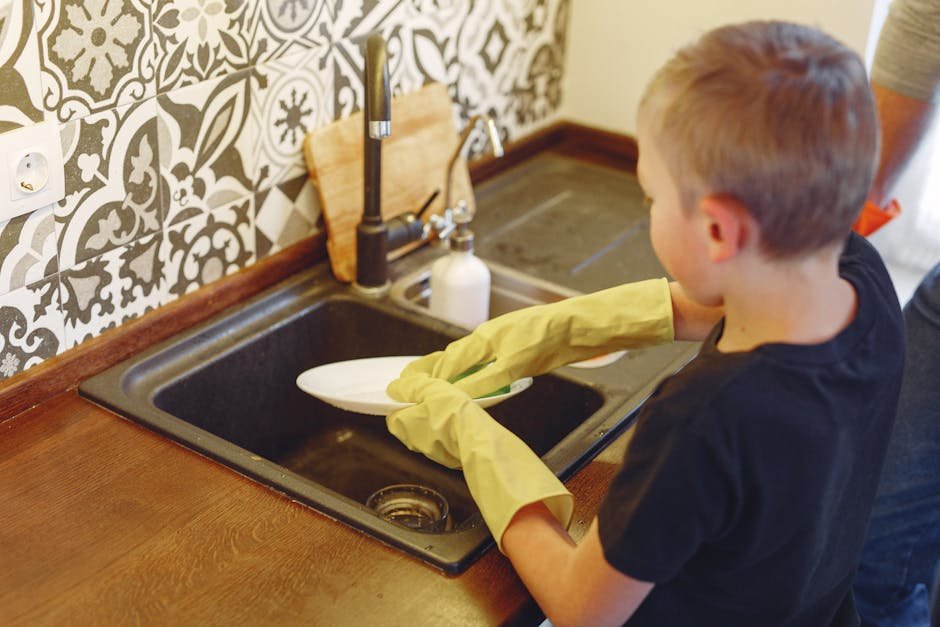
Integrating math into everyday chores can be a fun and effective way to help children practice their math skills without them even realizing it. These activities blend seamlessly into their daily routine, turning mundane tasks into educational opportunities. By incorporating math into chores, kids can gain valuable practice with basic arithmetic concepts while contributing to household responsibilities. This approach not only reinforces math skills but also instills a sense of responsibility and accomplishment. Here, we'll explore a variety of chores that can double as math lessons and provide strategies for parents and teachers to make the most of these opportunities.
Setting the Table: A Multiplication Lesson
Setting the table is a simple task that can be transformed into a math lesson. Imagine a family of five where each person requires a fork, knife, spoon, plate, and cup. This task can be a great opportunity to practice multiplication and addition.
Breaking Down the Math
Start by asking your child questions like, "How many forks do we need for five people?" The answer is five. You can then expand this question: "How many total pieces of silverware do we need if each person uses a fork, knife, and spoon?" The answer would be 15. To take it further, ask, "How many items are needed for the whole table setup, including plates and cups?" This totals 25 items. These exercises help children practice multiplication (5 people x 3 pieces of silverware) and addition (15 silverware + 5 plates + 5 cups).
Case Study: A Family Dinner
Let's consider a typical family dinner scenario. The Smith family consists of two adults and three children. As they prepare for dinner, the children set the table. Anna, the oldest, is responsible for counting the silverware. She quickly calculates that they need 15 pieces. Her younger brother, Jake, handles the plates and cups, practicing his counting skills by ensuring each place setting is complete. This routine not only helps with multiplication and addition but also teaches the children to work together and share responsibilities.
Loading the Dishwasher: Practical Math Application
Loading the dishwasher provides a practical way to apply math in a real-world context. This task involves counting and multiplication, making it ideal for reinforcing these concepts.
Counting and Calculating
As your child loads the dishwasher, ask, "How many plates and glasses have you loaded?" If they answer with numbers like six plates and eight glasses, you can prompt them to find the total: 14 items. To introduce multiplication, ask, "If we run the dishwasher three times this week, how many items will be washed in total?" The answer, 42, helps solidify the concept of multiplication (14 items x 3 times).
Case Study: Dishwasher Duty
The Johnson family rotates kitchen duties, with each member taking a turn. On dishwasher duty day, young Sam takes charge. His mom encourages him to count the items as he loads them, turning a monotonous task into a game. Sam quickly learns to multiply the number of items by the number of dishwasher runs, building his confidence in math.
Laundry Sorting: Multiplication with Pairs
Laundry day offers another chance for stealth math practice. Sorting socks into pairs is a simple activity that can reinforce multiplication and division.
Counting and Pairing
Ask your child to sort socks into pairs. Once they’ve done that, you can ask, "How many pairs did you make?" If they have eight pairs, you can take it a step further: "If each pair has two socks, how many socks are there in total?" This question involves multiplication (8 pairs x 2 socks per pair = 16 socks). These activities help children understand the concept of grouping and multiplication.
Case Study: Sock Sorting
In the Brown household, laundry is a family affair. On Saturday mornings, 7-year-old Emily and 9-year-old David sort socks. Emily loves counting the pairs, while David enjoys calculating the total number of socks. This task not only helps them practice multiplication but also encourages teamwork and responsibility.
Trash and Recycling: Understanding Annual Calculations
Taking out the trash is a routine chore that can also be a math lesson in disguise. This task can help children understand the concept of multiplication and annual calculations.
Weekly and Yearly Totals
Ask your child, "We collect two bags of trash each week. How many bags do we collect in a year?" This question encourages children to think about multiplication in a practical context: 2 bags x 52 weeks = 104 bags per year. This exercise helps them grasp the idea of scaling weekly tasks to an annual perspective.
Case Study: Weekly Trash Duty
The Martinez family has a weekly routine for trash collection. Their son, Alex, is responsible for taking out the trash every Monday. His parents use this task to introduce him to multiplication, guiding him through the calculation of yearly totals. This routine helps Alex understand the relevance of math in everyday life.
Watering Plants: A Simple Arithmetic Exercise
Watering plants can be a peaceful activity that also serves as a math exercise. It's a chance to practice counting and multiplication.
Counting and Multiplying
When watering plants, ask your child, "Each plant needs one cup of water. If we have six plants, how many cups of water do we need?" The answer, six, reinforces basic counting and multiplication skills. This simple exercise helps children see the connection between numbers and real-world tasks.
Case Study: Green Thumb Math
The Lee family loves gardening. Their daughter, Mia, takes pride in watering the plants each week. Her parents use this task to help her practice multiplication, encouraging her to calculate the total amount of water needed. This routine not only strengthens her math skills but also nurtures her love for plants.
Why This Approach Works
This stealth approach to math practice works because it integrates learning into activities that children are already doing. The math is built into the activity, so your child doesn't feel like they're doing extra work. Instead, they're practicing math naturally and effortlessly, which can lead to better retention and understanding of concepts.
Tips for Different Age Groups
Grades K-2
For younger children in grades K-2, focus on basic counting and simple addition. Encourage them to count items as they set the table or sort laundry. Use everyday language and praise their efforts to keep them engaged and interested.
Grades 3-4
Children in grades 3-4 can handle more complex math tasks. Introduce multiplication and division through chores like calculating the total number of items in a dishwasher load or determining the annual number of trash bags. Provide encouragement and celebrate their successes to build confidence.
Grades 5-6
For older children in grades 5-6, challenge them with more advanced calculations. Encourage them to think critically about math problems, such as estimating the total number of items in a table setting or determining the total amount of water needed for multiple plants. Foster a sense of independence and responsibility in their math practice.
Common Mistakes to Avoid
While stealth math practice can be effective, there are common mistakes that parents should avoid. First, don't pressure your child to get the right answer immediately. Allow them to think and work through the problem at their own pace. Second, avoid turning every chore into a math lesson. Balance is key; some tasks should remain simple chores to prevent overwhelm. Finally, be patient and supportive. Mistakes are part of learning, and encouragement goes a long way in building confidence.
Actionable Tips for Parents
- Integrate math naturally: Look for organic opportunities to introduce math without making it feel forced.
- Use positive reinforcement: Celebrate your child's efforts and progress to build their confidence.
- Make it a game: Turn chores into fun challenges to keep your child engaged and motivated.
- Be patient: Allow your child time to work through problems and understand concepts.
- Encourage curiosity: Foster a love for learning by encouraging your child to ask questions and explore different solutions.
Special cases to consider
Addressing Test Anxiety
Some children may experience test anxiety, which can affect their math performance. To help, create a calm and supportive environment where your child feels comfortable practicing math. Use chores as low-pressure opportunities to reinforce math skills without the stress of a test environment.
Supporting Children with ADHD
Children with ADHD may benefit from short, engaging math activities. Break chores into smaller tasks and provide clear instructions. Use visual aids and reminders to help them stay focused and on track.
Encouraging Gifted Learners
Gifted children may need more challenging math problems. Encourage them to explore advanced concepts through chores, such as calculating complex measurements or predicting outcomes. Provide opportunities for them to pursue their interests and challenge their abilities.
Helping Children with Dyscalculia
For children with dyscalculia, focus on hands-on, practical math activities. Use tactile objects for counting and grouping, and provide extra support and guidance as needed. Be patient and celebrate small successes to build their confidence.
Collaborating with Schools
Communicating with your child's teacher can enhance their math learning experience. Share your at-home math activities and ask for feedback or additional resources. Teachers can provide valuable insights and suggestions tailored to your child's needs. By working together, you can create a cohesive learning environment that supports your child's math development both at home and in school.
Looking Ahead: The Long-Term Perspective
Incorporating math into everyday chores is not just about immediate academic improvement. It's about building a foundation for lifelong learning and problem-solving skills. By making math a regular part of your child's routine, you're helping them develop a positive attitude towards math and preparing them for future challenges. These skills will not only benefit them academically but also in their personal and professional lives.
Conclusion: Building Math Skills Naturally
Incorporating math into everyday chores is a practical and effective way to help children develop their math skills. By turning routine tasks into learning opportunities, you can create a positive and engaging environment that encourages curiosity and problem-solving. Whether it's setting the table, loading the dishwasher, or watering plants, these activities provide valuable practice that can boost your child's confidence and understanding of math concepts. Remember, the goal is to make math a natural and enjoyable part of your child's daily life, setting them up for long-term success.
