Veerle Dielen · Elementary teacher · March 24, 2026 · Real-World Math
Times Tables at the Grocery Store: Real-Life Math
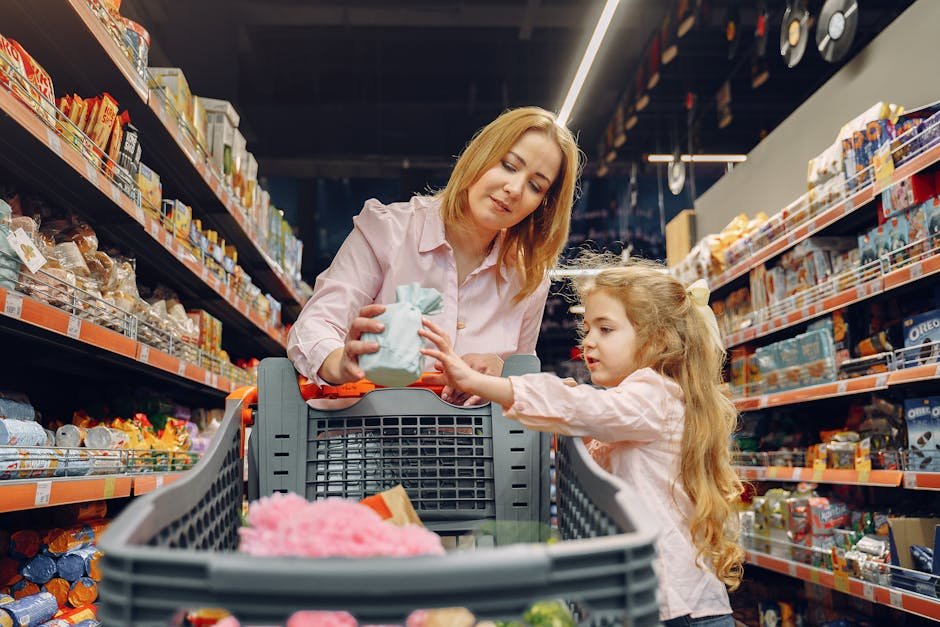
For American parents and teachers seeking effective ways to teach multiplication, the grocery store offers a unique, real-world classroom. Engaging with prices, quantities, and deals provides children with meaningful multiplication practice in a natural setting. This guide explores how to make grocery shopping a valuable educational experience for your child, with detailed strategies and tips for different age groups.
The Basics of Grocery Store Math
Every visit to the grocery store is an opportunity to teach multiplication in a fun and practical way. By asking your child questions related to the items you're purchasing, you can help them practice their times tables without them even realizing it. This method is both educational and engaging, providing children with a sense of purpose as they solve real-world problems.
Adapting to Age and Skill Level
It's essential to tailor the complexity of the math problems to your child's age and skill level. For instance, a seven-year-old might handle simpler multiplication such as 2 x 5, while a ten-year-old could tackle more complex problems like 8 x 9. Adjusting the difficulty ensures that your child feels challenged but not overwhelmed. For younger children, use tangible items like fruit or cans to illustrate problems, while older kids might enjoy calculating discounts or estimating totals.
Keeping It Fun and Light
To maintain interest, keep the math questions conversational rather than test-like. Encourage your child to estimate first, then verify their answer by checking the receipt. If they struggle with a problem, move on quickly to avoid frustration. Celebrate their successes with positive reinforcement like "great job on that mental math!" without overemphasizing mistakes. Use humor and creativity, such as making up silly songs or rhymes about the numbers you're working with.
Real-Life Math Problems at the Grocery Store
Here are some practical examples of multiplication problems you can discuss during your grocery trip:
- Multi-packs: "We're buying 3 packs of juice, and each pack contains 6 bottles. How many bottles are we getting in total?"
- Per-unit pricing: "Each orange costs 60 cents, and we have 5 oranges. What's the total cost?"
- Bulk deals: "The deal is 4 bags of chips for $10. Is that a better deal than buying each bag for $2.75?"
- Cookie trays: "This tray has 3 rows of 5 cookies. How many cookies are there?"
- Family needs: "If each family member drinks 2 cartons of milk per week, and there are 4 of us, how many cartons do we need for 3 weeks?"
- Percentage discounts: "This item is 25% off $40. How much is the discount, and what is the final price?"
- Unit conversion: "A bottle of juice is 16 oz. How many bottles make a gallon?" (128 oz / 16 = 8 bottles)
- Receipt check: "Let's add up the costs in our heads before we reach the cashier. How close can we get to the actual total?"
Expanding the Challenges
To deepen the learning experience, expand these challenges by asking follow-up questions or introducing new variables. For example, "If we add a 10% tax to our total, what would that be?" or "If we wanted to buy enough apples to last two weeks instead of one, how many would we need?" These variations encourage critical thinking and adaptability in problem-solving.
Why Contextual Learning is Effective
When children learn math in a context they can relate to, like grocery shopping, the information is more likely to stick. Associating the multiplication of numbers with tangible items like apples or cartons of milk helps children store these facts more deeply in their memory. This method doesn't replace traditional drills but complements them by adding relevance and engagement.
The Role of Storytelling in Math
Creating stories around math problems helps solidify the information. For example, calculating the cost of apples at 50 cents each embeds the multiplication of 6 x 50 = 300 into a real-life scenario, making it more memorable. This approach combines factual learning with a narrative, enhancing retention and understanding. Encourage your child to invent their own stories or scenarios using the items in your shopping cart to make the process even more engaging.
Integrating Store Math with Daily Practice
While the grocery store provides an excellent platform for practical math, regular practice is still necessary for fluency. Aim for your child to complete 30 to 50 multiplication facts daily. A structured tool like TimesTablesTrainer can offer this daily practice, while the store math keeps their learning relevant and exciting.
Combining Methods for Maximum Effect
Using a combination of grocery store math and daily practice ensures comprehensive learning. The real-world application reinforces what they've learned during practice sessions, making math feel useful and applicable in their everyday lives. This combination is crucial for maintaining motivation and ensuring your child develops strong multiplication skills. Consider setting aside specific times each week for both drilling and real-world application to create a balanced routine.
Age-Specific Tips for Teaching Multiplication
Different age groups require different approaches when learning multiplication. Here are some tips tailored to each stage of elementary school:
Grades K-2
For younger children, focus on simple, visual multiplication problems. Use physical items like apples or oranges to demonstrate basic multiplication. You might ask, "If we buy 2 packs of 4 apples, how many apples do we have?" Keep the problems straightforward and engaging to build a solid foundation. Incorporate games and songs that reinforce counting and basic multiplication facts.
Grades 3-4
At this stage, children are ready for more complex problems. Introduce scenarios that involve multiple steps or require estimation. For instance, "If each box of cereal costs $3 and we buy 4 boxes, how much will it cost? And if we have a $10 bill, how much change will we get?" Encourage them to use mental math to solve these problems. Also, teach them to check their work, which helps build confidence and accuracy.
Grades 5-6
Older children can tackle even more challenging problems. Incorporate percentage discounts and unit conversions into your questions. For example, "This bottle of soda is 1.5 liters. How many do we need to make 9 liters?" These problems help prepare them for more advanced math concepts they will encounter in middle school. Introduce budgeting exercises where they plan a small shopping list within a given budget, promoting responsibility and independence.
Pitfalls to dodge
While teaching multiplication at the grocery store can be highly effective, there are some common mistakes to avoid:
- Overloading with Problems: Don't bombard your child with too many math questions in one trip. Keep it light and fun to prevent overwhelm.
- Getting Frustrated: If your child struggles with a problem, move on instead of letting frustration build. Provide gentle encouragement and revisit the concept later.
- Focusing Solely on Accuracy: Encourage estimation and reasoning instead of only correct answers. This approach fosters problem-solving skills and confidence.
- Neglecting Emotional Cues: Pay attention to your child's emotional state. If they seem tired or disinterested, it might be time to take a break or switch activities.
Actionable Tips for Grocery Store Math
Here are some practical steps to make your grocery trips both educational and enjoyable:
- Prepare a list of potential questions before heading to the store to ensure a variety of problems.
- Use a small notebook to jot down problems and answers, turning it into a fun game or challenge.
- Involve your child in planning meals, which can include calculating ingredient quantities and costs.
- Reward your child with a small treat for participating and answering questions during the trip.
- Reflect on the trip afterward, discussing what they learned and what they found challenging.
For Special Situations: Tailoring Your Approach
Every child is unique, and some may require modifications to the typical approach due to special situations such as ADHD, anxiety, or being gifted. Here are some considerations:
Test Anxiety
For children with test anxiety, it's important to keep the atmosphere relaxed. Frame questions as part of a game rather than a test. Allow them to work at their own pace and reassure them that mistakes are part of learning. Use positive reinforcement and stress that perfection is not the goal.
ADHD
Children with ADHD may benefit from short, engaging activities. Keep math questions brief and intersperse them with physical activities like walking to another aisle or picking items off the shelf. This keeps their attention engaged and prevents restlessness. Encourage hands-on activities like counting items or organizing them by size or color.
Gifted Children
Gifted children often crave challenges. Introduce complex problems that require multi-step solutions or involve real-world applications, such as calculating the best value from bulk purchases. Encourage them to create their own problems to solve, pushing them to think outside the box.
Dyscalculia
For children with dyscalculia, use visual aids and manipulatives to make abstract concepts more concrete. Simplify problems and provide step-by-step guidance. Celebrate small victories to build their confidence and motivation. Consider using apps or online resources designed to support learning for children with dyscalculia.
Talking to Your Child's Teacher
Your child's teacher can be a valuable resource in supporting their math education. Regularly communicate with them to understand your child's strengths and areas for improvement. Share your grocery store math activities and seek advice on additional strategies to support learning at home.
Building a Partnership
By working closely with your child's teacher, you can create a consistent approach to learning multiplication. This collaboration ensures that your child receives support both at home and in school, leading to better educational outcomes. Teachers can provide additional resources or suggest tailored strategies that align with what your child is learning in class.
Weekly schedule
Establishing a weekly routine can help reinforce math skills and integrate learning into daily life:
- Monday: Review multiplication facts at home using flashcards or apps.
- Wednesday: Practice real-life math problems during a trip to the grocery store.
- Friday: Encourage your child to create their own math story problems based on the week's grocery list.
- Weekend: Reflect on the week's learning, discussing what was easy or challenging, and plan the next week's math focus.
Long-Term Perspective: Building Math Skills for Life
Teaching multiplication through grocery shopping is not just about immediate results; it's about instilling a love for math and problem-solving that will benefit your child throughout their life. By making math relevant and enjoyable, you lay the groundwork for future success in more advanced mathematical concepts and everyday situations.
Encouraging Lifelong Learning
When children see the value of math in daily life, they are more likely to embrace learning and pursue it with enthusiasm. This perspective helps them develop critical thinking skills and a growth mindset, essential attributes for lifelong learning and success. Encourage curiosity and exploration, emphasizing that learning is a continuous journey.
Questions we hear a lot
How do I know if my child is ready for grocery store math?
Observe your child's comfort with basic multiplication facts. If they can solve simple problems like 2 x 3 or 4 x 5, they're likely ready to apply these skills in real-world contexts. Start with simple problems and gradually increase complexity as they gain confidence.
What if my child gets frustrated easily?
Keep the experience positive and low-pressure. If frustration arises, switch to a different activity or take a break. Emphasize that mistakes are part of learning and celebrate small successes to build confidence.
How can I make grocery store math relatable for older children?
Involve them in planning and budgeting activities, such as creating a shopping list within a budget or comparing brand prices. These tasks provide practical applications of multiplication and critical thinking skills.
Can grocery store math replace formal math education?
While grocery store math is a valuable supplement, it should not replace formal math education. It reinforces classroom learning by providing practical applications but should be combined with regular practice and instruction.
How can I involve other family members?
Make grocery store math a family activity by involving siblings or parents in solving problems together. This approach encourages teamwork and makes learning a shared experience, reinforcing concepts through discussion and collaboration.
Final Thoughts on Grocery Store Math
The grocery store is a treasure trove of learning opportunities, particularly when it comes to practicing multiplication. By integrating math into everyday activities, you provide your child with a practical, engaging way to develop their skills. Remember to tailor your approach to your child's age, abilities, and interests to make the most of these educational moments. With patience, creativity, and a little planning, you can transform grocery shopping into a valuable learning experience that supports your child's math education.
