Veerle Dielen · Elementary teacher · March 9, 2026 · Real-World Math
Math in Art and Design
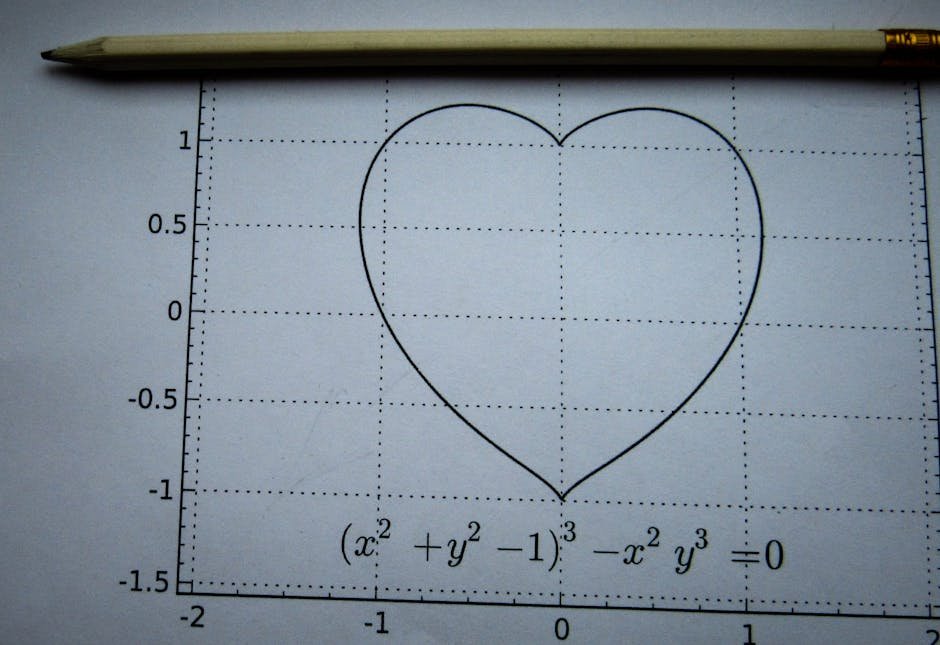
At first glance, art and math might seem worlds apart, but dig a little deeper and you will find that math is embedded in the fabric of art and design. Whether it's the symmetry in a decorative piece, the proportions that make a painting pleasing, or the geometric patterns in a textile, math is at the heart of art. For children who have a passion for art, this is an exciting opportunity to engage with mathematical concepts without even realizing it. By exploring math through art, kids can develop a deeper appreciation for both subjects and enhance their learning experience. Let's explore how math is intricately woven into art and design and how you can make this connection clear to your kids.
Understanding Symmetry in Art
Symmetry is a fundamental concept in both art and math. It is the balanced and proportionate similarity found in two halves of an object, which can be divided by a line or plane. Symmetry provides a sense of harmony and balance, and it's a concept that kids can easily grasp through visual examples. In art, symmetry comes in various forms: mirror symmetry, rotational symmetry, and translational symmetry. Each type has its own unique characteristics and applications.
Mirror Symmetry
Mirror symmetry, also known as reflection symmetry, is where one half of an object is a mirror image of the other half. This type of symmetry is prevalent in art, from the bilateral symmetry of a butterfly's wings to the balanced design of a classical building. Encourage your child to find examples of mirror symmetry in their surroundings, such as in nature, architecture, or even in their own drawings. By recognizing and creating their own symmetrical designs, they practice geometry without even realizing it.
Rotational Symmetry
Rotational symmetry is when an object can be rotated around a central point and still look the same. A common example is a pinwheel or a starfish. To help your child understand this concept, have them draw or cut out different shapes and rotate them to see which ones exhibit rotational symmetry. This hands-on activity reinforces their understanding of angles and rotational geometry.
Translational Symmetry
Translational symmetry occurs when a pattern can be slid or translated along a plane. Think of wallpaper designs or tiled floors. For an engaging activity, create a simple stamp with your child and use it to print a repeating pattern on paper or fabric. This exercise not only demonstrates translational symmetry but also introduces the concept of tessellation, a key idea in both art and math.
The Beauty of Proportion
Proportion in art refers to the relationship between the sizes of different elements within a piece. A well-proportioned work of art is aesthetically pleasing and harmonious. One of the most famous mathematical proportions is the golden ratio, approximately 1.618, which has been used in art and architecture for centuries. This ratio is believed to create the most visually pleasing compositions.
The Golden Ratio in Art
The golden ratio appears in various works of art, from the Parthenon in Greece to Leonardo da Vinci's "Vitruvian Man." Show your child how the golden ratio can be applied to their drawings or paintings by dividing a canvas into sections using this ratio. By doing so, they can experiment with different compositions and see how the golden ratio creates balance and beauty in their art.
Proportional Relationships
Understanding proportion also involves recognizing the relationships between different elements. For instance, when drawing a human figure, artists use proportions to ensure that the head, torso, and limbs are in harmony with each other. Encourage your child to practice drawing figures using guidelines that illustrate these proportions. This exercise not only improves their drawing skills but also enhances their understanding of ratio and scale.
Mastering Perspective
Perspective is a technique used in art to depict three-dimensional objects on a two-dimensional surface. It creates the illusion of depth and distance, making a flat image appear more lifelike. Understanding perspective requires knowledge of geometry, specifically vanishing points and scale. Children can learn a lot about spatial awareness and geometry through the study of perspective in art.
Vanishing Points
Vanishing points are the spots on the horizon line where parallel lines appear to converge. They are essential for creating realistic perspective drawings. Introduce your child to one-point and two-point perspective drawings by having them sketch a simple scene, such as a road or a row of buildings, using vanishing points. This activity will help them grasp the concept of convergence and scale in a tangible way.
Scale and Proportion in Perspective
In perspective drawing, scale and proportion are crucial for maintaining the illusion of depth. Objects closer to the viewer appear larger, while those further away appear smaller. By practicing perspective drawing, children can improve their understanding of how scale affects perception. Encourage them to experiment with different viewpoints and observe how objects change in size and shape.
Exploring Pattern Math
Patterns are an integral part of both art and math, and they offer a fun way for children to explore mathematical concepts like multiplication and division. Patterns can be found in nature, textiles, and architecture, and they often involve repeating shapes, lines, or colors. Through pattern creation, kids can develop their spatial awareness and problem-solving skills.
Mandalas and Tessellations
Mandalas and tessellations are examples of complex patterns that incorporate mathematical principles. Mandalas use radial symmetry, while tessellations involve repeating geometric shapes that fit together without gaps. Encourage your child to create their own mandalas or explore tessellations using paper cutouts. This activity helps them understand concepts like symmetry, angles, and repetition in a creative context.
Math in Everyday Patterns
Patterns are not limited to art projects; they are everywhere in our daily lives. From the tiles on a floor to the design of a quilt, patterns often involve mathematical calculations. Have your child measure and create patterns using household items, such as arranging blocks or drawing on graph paper. This practical approach demystifies math and makes it more relatable for young learners.
The Geometry of Color
Color theory is another area where math and art intersect. The color wheel, a fundamental tool in color theory, is based on geometric principles. It divides the spectrum of colors into equal sections, and understanding how colors relate to each other involves geometry and angles.
The Color Wheel
The color wheel divides 360 degrees into segments, each representing a different hue. Complimentary colors, which lie opposite each other on the wheel, create striking contrasts. Teach your child how to use the color wheel to mix and match colors effectively in their artwork. This activity introduces them to geometric concepts like angles and complements while enhancing their color perception.
Applying Colors Mathematically
Color theory also involves the mathematical mixing of colors. By understanding the relationships between primary, secondary, and tertiary colors, children can experiment with creating new shades and tints. Provide them with paint or colored pencils and encourage them to mix colors to see how different combinations produce various results. This hands-on approach fosters a deeper understanding of both color and math.
How to Use Art to Teach Math
Art provides a unique and engaging way to teach mathematical concepts. By pointing out the math in everyday art activities, you can help your child see the connections between the two subjects. For example, when painting or drawing, mention how each color in a 12-color wheel is 30 degrees apart, and multiplying these angles equals 360 degrees, the total in a circle. Or, if working on a pattern that repeats every four inches over a 16-inch-wide piece, ask how many repeats fit into the width.These simple questions and observations can lead to deeper discussions about math and its real-world applications. Encourage your child to explore and ask questions, and provide them with the tools and materials they need to experiment with different art and math concepts. This approach not only reinforces their math skills but also nurtures their creativity and curiosity.
Case Study: Sarah's Artistic Journey
Sarah, a fifth-grader with a passion for drawing, struggled with math in school. Her parents decided to incorporate math into her art projects at home. By creating designs that involved symmetry and perspective, Sarah began to see math as less intimidating and more of a tool she could use creatively. Over time, her confidence in math grew, and her grades improved as she continued to apply mathematical concepts to her art.
Teaching Math Through Art: Tips by Grade Level
When it comes to teaching math through art, different age groups require tailored approaches. Here are some tips for incorporating math into art activities based on your child's grade level.
Grades K-2
- Start with simple shapes and symmetry. Use cut-out shapes to create mirror images.
- Introduce basic patterns using stamps or stickers. Encourage children to repeat sequences.
- Use color sorting activities to teach counting and categorization.
Grades 3-4
- Explore more complex patterns, like tessellations, using paper cutouts or digital tools.
- Teach basic perspective drawing with one vanishing point using simple objects like buildings or roads.
- Introduce the golden ratio by measuring and comparing different objects or drawings.
Grades 5-6
- Encourage detailed perspective drawings with multiple vanishing points.
- Have students create art projects using rotational and translational symmetry.
- Explore color theory through painting or digital art, focusing on complementary colors and mixing.
Common Pitfalls to Avoid
While teaching math through art can be an effective strategy, there are common mistakes that parents and teachers should avoid to ensure a positive learning experience.
- Don't force the connection. Allow your child to explore and discover math in art at their own pace.
- Avoid making math feel like a chore within art projects. Keep it fun and engaging.
- Be mindful of your child's interests. If they show more interest in drawing than painting, tailor activities accordingly.
Actionable Tips for Success
- Encourage open-ended exploration. Allow your child to experiment with different materials and techniques.
- Provide positive reinforcement and celebrate their successes, no matter how small.
- Incorporate math discussions casually during art activities to keep the focus on creativity.
- Use technology and apps to explore digital art and math simulations.
- Set realistic goals and progress at a pace that suits your child's learning style.
Special Situations: Tailoring Approaches
Every child is unique, and some may require special approaches when combining math and art.
For Children with Test Anxiety
Art can be a soothing outlet for children with test anxiety. Encourage them to express their feelings through drawing or painting, and integrate math concepts subtly to build their confidence without pressure.
For Children with ADHD
Kids with ADHD often thrive in hands-on, active learning environments. Use art projects that involve movement, such as large-scale murals or clay modeling, to teach math concepts.
For Gifted Children
Gifted children may benefit from more challenging projects that push their creativity and mathematical thinking. Introduce advanced concepts like fractals or explore computer-generated art.
For Children with Dyscalculia
Art can provide an alternative way to understand math for children with dyscalculia. Focus on visual and spatial reasoning through pattern creation and color mixing, and provide plenty of support and encouragement.
Collaborating with Schools
To maximize the benefits of teaching math through art, it’s important to collaborate with your child's school and teachers. Communicate with educators about your child's progress and interests, and seek their input on additional resources or strategies. Many schools offer art and math integration programs, and staying informed can help you better support your child's learning journey.
Looking at the Long-Term Benefits
Integrating math and art has long-term benefits beyond immediate academic improvement. It fosters a love of learning, creativity, and critical thinking skills that are valuable throughout life. By encouraging your child to explore both subjects together, you lay the groundwork for a well-rounded education that prepares them for a diverse range of future opportunities. Whether your child pursues a career in the arts, sciences, or any other field, the skills they gain from this interdisciplinary approach will serve them well.All told, combining math and art is an effective way to engage children in learning and help them see the beauty in both subjects. By understanding the connections between math and art, children can develop a deeper appreciation for the world around them and enhance their problem-solving skills. Encourage your child to explore and experiment, and provide them with the tools and support they need to succeed. The journey of discovery is a rewarding one, and the lessons learned will last a lifetime.
