Veerle Dielen · Elementary teacher · April 12, 2026 · Practice Routine
Five Minutes a Day of Times Tables Practice: Is It Enough?
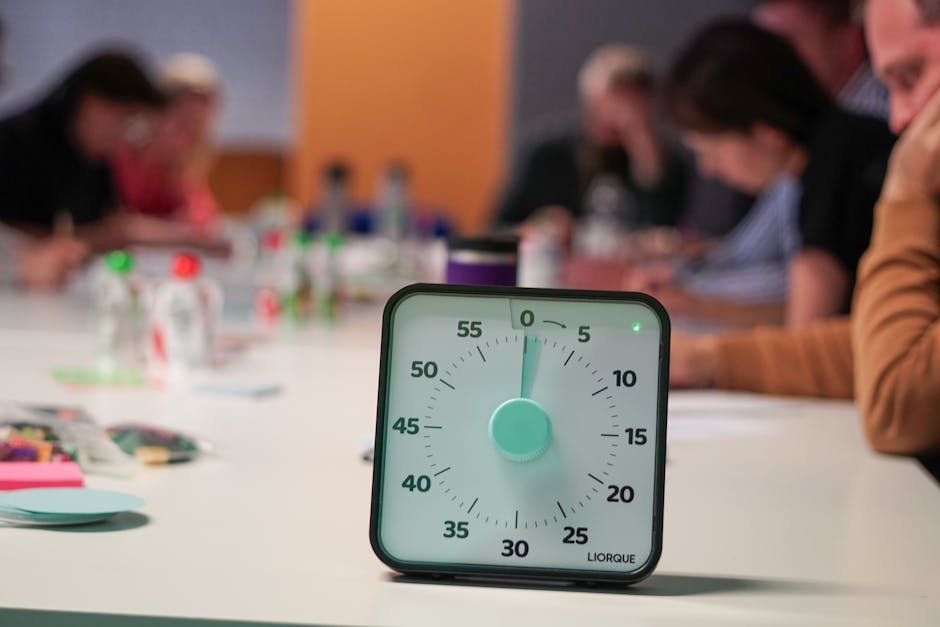
Many parents are surprised to hear that five minutes a day is enough for children to master the times tables. It often feels too insignificant to make a real difference. However, research consistently shows that short, daily practice outperforms long, occasional sessions. Let's delve into why this method is effective and how you can make those five minutes truly count for your child.
The Science Behind Short Sessions
The brain processes and stores information effectively through a technique known as spaced repetition. Spaced repetition involves revisiting the same fact before it's forgotten, thereby transferring it from short-term to long-term memory. Five short sessions a week provide multiple opportunities for the brain to interact with the material, while also allowing sleep cycles to aid memory consolidation. In contrast, a single long session crams repetitive exposure into a limited timeframe, reducing the effectiveness of memory retention.
Avoiding Fatigue
Short sessions help avoid fatigue, keeping the child alert and engaged. After just five minutes of focused practice, children remain attentive. However, after thirty minutes, they often become tired, and the quality of practice diminishes. Quality minutes are more impactful than quantity minutes, making brief, consistent practice a powerful tool in learning multiplication tables.
Effective Strategies for Five-Minute Sessions
To maximize the benefits of these short sessions, certain strategies can be employed to make them as effective as possible.
Random Order Practice
Instead of reciting multiplication tables in order, mix up the facts. This prevents children from predicting what comes next and encourages them to truly learn each fact independently. For example, ask them "What is 6 x 7?" followed by "What is 3 x 8?" to ensure they are not simply reciting from memory.
Instant Feedback
Immediate feedback after each answer helps lock in correct facts and correct mistakes. For instance, if a child answers "9 x 6" incorrectly, promptly providing the correct answer and explaining the reasoning helps reinforce learning.
Focus on Trouble Spots
Every child has specific multiplication facts that they find challenging. Identifying these trouble spots, such as 7 x 8, and giving them extra attention during sessions can significantly boost confidence and mastery in those areas.
Ending on a Positive Note
Conclude sessions while the child is still performing well and feeling positive. Ending on a win helps maintain motivation and prevents frustration, making them more likely to look forward to the next session.
Establishing Routine
Creating a consistent routine by practicing at the same time and place every day helps incorporate this practice into daily life. Whether it's right after dinner or before bedtime, consistency fosters habit formation.
When More Practice is Necessary
While five minutes a day is a solid baseline, there are specific situations where additional practice might be beneficial.
Catching Up
If a child is significantly behind their peers, increasing practice to ten minutes a day for a few weeks can help them catch up quickly. This extra time can be split into two sessions of five minutes each, focusing on different sets of multiplication tables.
Pre-Test Preparation
Before a test or quiz, a slightly longer session can serve as a refresh to make sure the facts are sharp. A one-time 15-minute review session can be a powerful confidence booster.
Introducing New Tables
When learning a brand new multiplication table, spending extra time during the first week can assist in building initial familiarity. Gradually reduce the time as the child becomes more comfortable with the new table.
Age-Appropriate Tips
Grades K-2: Laying the Foundation
For younger children in kindergarten through second grade, focus on building a strong number sense. Use manipulatives like blocks or beads to demonstrate multiplication as repeated addition. For example, show that 3 x 4 is the same as three groups of four blocks.
Grades 3-4: Building Fluency
By third and fourth grade, children should start memorizing the times tables. Incorporate games and songs to make learning fun. Apps and online games can also be helpful tools. Encourage them to explain the reasoning behind their answers to deepen understanding.
Grades 5-6: Mastery and Application
Students in fifth and sixth grade should aim for mastery and start applying multiplication skills in more complex math problems. Introduce word problems that require multiplication and encourage them to explore multiplication's role in division and fractions.
What to Avoid: Common Mistakes
While helping your child with times tables, steer clear of certain pitfalls that can hinder their progress.
Overemphasis on Speed
Don't focus solely on speed. While quick recall is beneficial, understanding the concept is more important. Encourage your child to take their time to ensure comprehension before speeding up.
Neglecting Understanding
Avoid rote memorization without understanding the underlying concepts. Children should know why 5 x 6 equals 30, not just that it does. Use visual aids and practical examples to explain the concepts.
Pushing Through Frustration
If a child becomes frustrated, it's crucial to pause and regroup. Pushing through frustration can lead to negative associations with math, which may harm long-term learning.
Actionable Tips for Success
- Use Varied Resources: Incorporate a mix of flashcards, apps, and hands-on activities to keep learning dynamic.
- Set Achievable Goals: Break down tables into smaller chunks and celebrate achievements to maintain motivation.
- Engage in Real-Life Practice: Use everyday situations, like cooking or shopping, to practice multiplication in real life.
- Encourage Peer Learning: Pair your child with a classmate or sibling for joint practice, making learning more engaging.
- Regularly Review Progress: Keep track of which tables your child has mastered and which need more work.
Special cases to consider
Every child is unique, and some may face additional challenges or excel beyond their grade level.
Handling Test Anxiety
For children with test anxiety, practice relaxation techniques and simulate test conditions at home to build confidence. Remind them that mistakes are part of learning.
Supporting ADHD
Children with ADHD might benefit from shorter, more frequent sessions throughout the day to align with their attention spans. Incorporate movement into learning to keep them engaged.
Challenges with Dyscalculia
For children with dyscalculia, use multisensory approaches and focus on building number sense. Patience and repeated exposure are key to helping them grasp multiplication.
Encouraging Gifted Learners
Gifted children often benefit from accelerated learning. Challenge them with more complex problems and encourage exploration of multiplication in different contexts, like algebra or geometry.
Cooperating with Schools
Communication with your child's teachers can enhance learning. Regularly check in on your child's progress and ask how you can support their learning at home. Teachers can provide additional resources or suggest specific areas to focus on.
Long-term Perspective: Beyond Memorization
Mastering multiplication tables is just one step in a lifelong journey of mathematical understanding. Encourage your child to see math as a tool for solving real-world problems and instill a love for learning that goes beyond the classroom.Consider involving your child in activities that require practical math skills, such as budgeting, cooking, or even simple construction projects. This will help them appreciate the value of math in everyday life and build confidence in their abilities.
What the experts find
Research underlines that consistent, short-term practice is highly effective for memory retention. Studies have shown that children who engage in daily focused practice sessions outperform peers who practice sporadically for longer periods. The cognitive benefits of spaced repetition are well-documented, supporting the idea that a little practice every day is more beneficial than cramming.
The Role of Sleep in Learning
Research also highlights the importance of sleep for memory consolidation. After learning new material, sleep helps solidify information in the brain, making those short, daily sessions coupled with a good night’s sleep particularly effective.
Weekly schedule
Setting a weekly routine can make these five-minute practices even more effective. Here's a sample weekly plan:
- Monday: Focus on tables 1-3 with games or flashcards.
- Tuesday: Practice tables 4-6 using an app or online resource.
- Wednesday: Review tables 7-9 with a peer or family member.
- Thursday: Identify and work on trouble spots with extra practice.
- Friday: Mix it up with a quiz or game covering all tables learned.
- Weekend: Optional fun activities involving multiplication, like cooking or shopping math games.
Talking to Your Child's Teacher
Open communication with your child's teacher can provide valuable insights into their learning process. Meet with the teacher to discuss your child's progress and any challenges they may face. Teachers can offer tailored advice and may provide additional resources such as worksheets or recommended apps.
Questions to Ask
- What areas does my child need to focus on?
- How can I support multiplication learning at home?
- Are there any resources or tools the school recommends?
- How does my child participate in class during math lessons?
When to Seek Outside Help
If your child continues to struggle despite consistent practice, it might be time to consider outside help. Tutors can offer personalized instruction and alternative strategies that might resonate with your child.
Signs Your Child Might Need Extra Support
- Persistent frustration or anxiety during practice.
- Consistent difficulty with basic multiplication facts.
- Lack of progress over several months.
- Negative attitudes toward math that affect other subjects.
Reader questions
Is five minutes really enough for all children?
For many children, five minutes of focused practice can be highly effective. However, some children may need additional time or support, especially if they are behind or have learning challenges.
What if my child gets bored with short sessions?
To keep sessions engaging, use a variety of methods such as games, apps, and interactive activities. Changing methods frequently helps maintain interest.
How do I know if my child is making progress?
Track your child's progress by regularly reviewing their ability to recall multiplication facts quickly and accurately. Celebrate achievements to boost confidence.
Can older children benefit from these techniques?
Yes, these techniques are effective for learners of all ages. Older children can apply these methods to more complex math concepts by adapting the principles of short, focused practice.With dedication and the right strategies, mastering multiplication tables can be an attainable goal for every child. The key is consistency, patience, and a supportive environment that encourages a love for learning.
