
Math During Chores: Stealth Practice
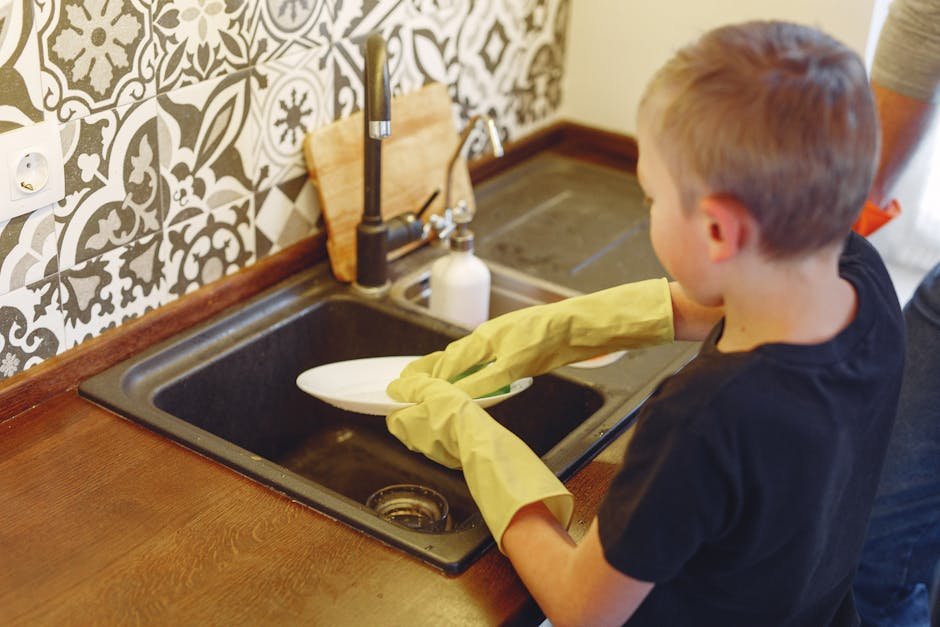
Laundry, dishes, groceries, and the junk drawer all hold more multiplication than most families notice. For parents who want extra practice but cannot face another worksheet at the kitchen table, chores offer a way to slip a few math questions into time you are already spending together.
Nothing needs to be bought or printed. You need a chore, a question, and a minute of patience while your child works out the answer.
Why Everyday Math Counts for Something
Researchers have looked at this question from many angles. A 2021 meta-analysis pulled together 64 studies of what they call the home math environment: the number talk and everyday number activities that happen at home. Across those studies, children from homes with more math activity tended to score a little higher in math.
The link was small, with an average correlation of .13, and the studies were correlational, so they cannot prove that chores cause better scores. The authors also describe two kinds of home math. Direct activities are planned lessons. Indirect activities, like cooking or board games, use math along the way.
Chores fall in that second group. They will not replace focused practice, but they show kids that multiplication is something people use, and they add repetitions without adding homework. Think of them as extra reps, not the main workout.
Three Kinds of Chores That Hide Multiplication
Almost every chore your child does involves counting things, measuring things, or sorting things into groups. Each kind leads to a different sort of multiplication question.
Counting: Setting the Table and Putting Away Groceries
Setting the table is equal groups in its plainest form. Four people each need a fork, a knife, and a spoon, so ask how many pieces of silverware go out. Four groups of three is 4 × 3 = 12. Add a guest and the question changes: 5 × 3 = 15.
Groceries work the same way. A carton holds 12 eggs, and two cartons make 2 × 12 = 24. A pack of yogurt cups might come in fours, so three packs give 3 × 4 = 12 cups. Let your child count to check the first time, then answer from memory the next time the same pack shows up.
Measuring: Cooking, Watering, and Hanging Pictures
In 2nd grade, kids learn to measure with tools like rulers and yardsticks, so hand over the tape measure. Hanging a shelf or marking where a picture goes becomes a real job. In 4th grade, the standards ask kids to know that a foot is 12 times as long as an inch. A 3-foot shelf is 3 × 12 = 36 inches.
Recipes are full of the same thinking. If one batch of pancakes uses 2 cups of flour, a double batch uses 2 × 2 = 4 cups, and a triple batch uses 3 × 2 = 6. Watering plants can do it too: five pots that each get 2 cups of water need 5 × 2 = 10 cups.
Sorting: Laundry, Toys, and the Recycling Bin
Matching socks is a quiet multiplication lesson. Seven pairs of socks are 7 × 2 = 14 socks, and your child can check by counting the pile. Turn it around and ask how many pairs a pile of 18 socks makes. That is division, the other side of the same fact.
Toy cleanup can follow the same idea. If each bin holds 6 cars and there are 4 bins, that is 4 × 6 = 24 cars. Sorting cans into rows of 5 for the recycling bin gives a quick array: 3 rows of 5 cans is 15 cans.
Keeping It Light So Kids Keep Answering
The fastest way to ruin chore math is to turn every task into a quiz. One or two questions per chore is plenty. If your child sighs, let that chore go by without a question and ask at the next one.
Match the questions to what your child is learning at school right now. A second grader who is just starting equal groups needs small numbers and objects to count. A fourth grader can handle 6 × 12 for half a dozen egg cartons, or work out how many inches tall a 4-foot bookcase is.
When an answer is wrong, point back to the real things. Count the forks again, or lay the socks out in pairs. The objects are right there, which is the whole advantage of practicing with chores.
Chore math works best next to short, focused practice. Ten minutes on the 4 times table or another table still in progress builds the recall.
The laundry basket and the grocery bags then give that recall a place to go. Kids who practice both ways start to see the same facts everywhere.