Veerle Dielen · Elementary teacher · July 3, 2026 · Practice Routine
The After-Dinner Math Habit
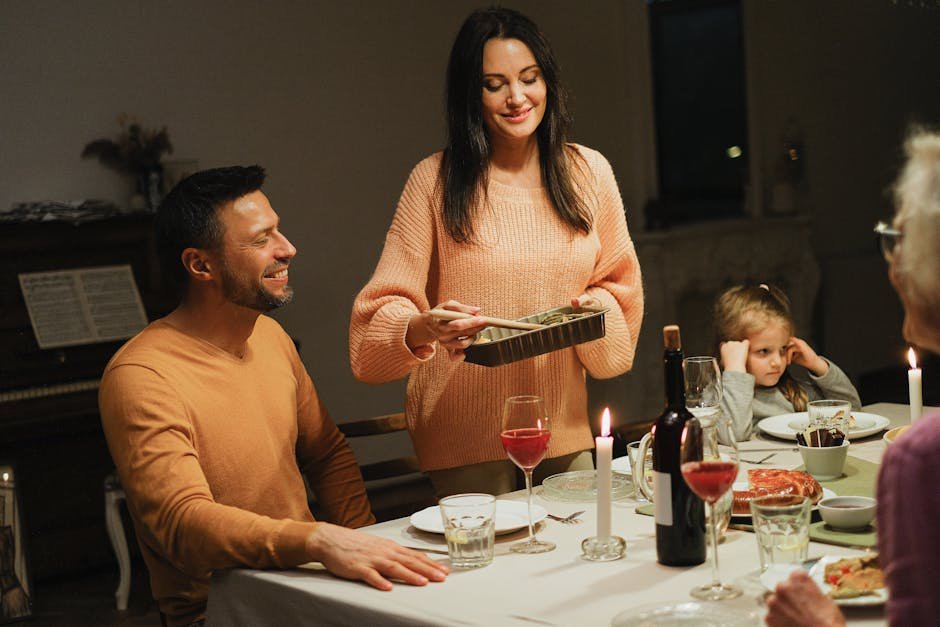
Why After-Dinner Is the Perfect Time for Math Practice
Creating a consistent routine for practicing math at home can be challenging, especially with busy family schedules. However, the time right after dinner offers a unique opportunity. When the meal is over, energy levels are replenished, and there is often a natural pause before children disperse to evening activities. This window, typically lasting 15-30 minutes, is perfect for establishing a short and effective math practice session.The key is to capitalize on this moment when children are fed and mentally refreshed. After-dinner is a time when the household is transitioning from group activities at the dinner table to individual pursuits, making it an ideal time to incorporate a productive math habit. By integrating a quick 5-minute math session into this routine, you create a sustainable practice that can deliver significant benefits over time.
The Science Behind Routine and Learning
Establishing a routine is crucial for effective learning. The predictability of a routine helps children anticipate and prepare for tasks, reducing resistance and increasing compliance. When math practice becomes a part of the daily schedule, it shifts from being a chore to a regular activity. This consistency is particularly important in reinforcing math skills, as regular practice helps solidify concepts and improve recall.
The Role of Consistency
Consistency is vital because it helps children develop a sense of discipline and responsibility. Knowing that math practice is a non-negotiable part of their evening routine encourages children to approach it with a positive attitude. Over time, this consistent practice can lead to a deeper understanding of mathematical concepts, as well as improved performance in school.
Building a Routine
To establish a successful after-dinner math habit, select a specific time and location for practice. The kitchen table is a common choice, as it is often cleared after dinner and provides a familiar and comfortable setting. Encourage your child to engage in math practice immediately after the table is cleared, before they become engrossed in screens or play. This sequence helps reinforce the habit and ensures that math practice becomes a natural part of their evening routine.
Benefits of a 5-Minute Math Routine
The idea of a 5-minute math practice may seem too brief to make a difference, but its brevity is a significant advantage. Short, focused sessions are less overwhelming for children, making them more likely to participate willingly. This format also reduces the likelihood of burnout, ensuring that children remain engaged and motivated over the long term.
Enhanced Focus and Retention
Short, concentrated bursts of practice can improve focus and retention. When children know that their math session is only five minutes long, they are more likely to give it their full attention. This focused effort can lead to better retention of math facts and concepts, as the brain is fully engaged during these brief sessions.
Cumulative Learning
While each session is only five minutes, the cumulative effect of daily practice is substantial. Over a week, five minutes a day adds up to 25 minutes of math practice. Over a month, that equates to over 100 minutes. This consistent exposure to math helps reinforce learning and builds a strong foundation for future mathematical understanding.
Case Studies: Real-Life Success Stories
Let's take a look at some real-life examples of families who have successfully implemented the after-dinner math habit. These case studies illustrate how this routine can be adapted to meet the needs of different families and children.
The Johnson Family
The Johnsons have two children, ages 7 and 9. They began incorporating a 5-minute math session after dinner when they noticed their children struggling with basic multiplication facts. By dedicating just five minutes each evening to multiplication practice, their children quickly improved their recall speed and confidence. The family used flashcards and a multiplication app to keep the sessions engaging and varied.
The Thompson Family
The Thompsons have a 10-year-old son with ADHD. Traditional homework sessions were a source of stress and frustration. However, the 5-minute after-dinner math routine proved to be a game-changer. The short duration kept their son focused, and the predictable timing helped reduce anxiety. Over time, they saw a marked improvement in his ability to concentrate on math tasks at school.
Tips for Different Age Groups
Math practice should be tailored to the developmental stage of your child. Here are some tips to make the most of the after-dinner math habit for different age groups.
Grades K-2: Building a Foundation
For younger children in kindergarten through second grade, focus on building a strong foundation in basic math skills. Use manipulatives like counting blocks or beads to make abstract concepts tangible. Simple addition and subtraction problems, counting exercises, and shape recognition activities are excellent choices for this age group. Keep sessions playful and interactive to maintain interest.
Grades 3-4: Mastering Basic Operations
As children move into third and fourth grade, they should be mastering basic operations such as addition, subtraction, multiplication, and division. Flashcards, math games, and online apps can make practice more engaging. Introduce word problems to help them apply their skills in real-world contexts. Encourage them to explain their thought process, which can deepen their understanding.
Grades 5-6: Deepening Understanding
By grades five and six, children should be comfortable with basic operations and ready to tackle more complex topics like fractions, decimals, and percentages. Use the after-dinner math routine to practice these concepts. Encourage problem-solving and critical thinking by presenting puzzles and challenges. Discuss strategies and approaches to solving problems to enhance their analytical skills.
Common Mistakes to Avoid
While the after-dinner math habit can be highly effective, there are common pitfalls to avoid to ensure its success.
Overextending Sessions
It may be tempting to extend the session if things are going well, but resist this urge. The power of the routine lies in its brevity. Keeping it short maintains enthusiasm and prevents fatigue. If your child seems eager for more, consider adding another short session at a different time of day.
Skipping Sessions
Consistency is crucial for building habits. Avoid skipping sessions on busy nights. If necessary, reschedule for another time. The predictability of the routine is what makes it effective, so maintain it as consistently as possible.
Linking Math to Rewards
Avoid linking math practice to dessert or other rewards. This can create a transactional mindset, where children view math as a task to be completed for a prize. Instead, emphasize the intrinsic value of learning and the satisfaction of mastering new skills.
Actionable Tips for Establishing the Routine
- Choose a consistent time and place for math practice.
- Use a timer to keep sessions short and focused.
- Incorporate a variety of activities to maintain engagement.
- Encourage a positive attitude towards math by celebrating progress.
- Involve your child in selecting math activities to increase motivation.
For Special Situations: Tailoring the Routine
Children have different needs and learning styles, and it's essential to tailor the after-dinner math routine to accommodate these differences.
Managing Test Anxiety
For children who experience test anxiety, the after-dinner math routine can serve as a low-pressure environment for practicing test-like problems. Gradually introduce timed exercises to build confidence in managing time during tests.
Supporting ADHD
Children with ADHD may benefit from incorporating movement into their math practice. Use activities that involve physical movement, such as hopping along a number line or using manipulatives that they can handle and manipulate.
Engaging Gifted Learners
Gifted children may require more challenging material to stay engaged. Present them with puzzles, logic problems, and math games that stimulate their critical thinking skills. Encourage them to explore math topics beyond their current curriculum.
Assisting with Dyscalculia
For children with dyscalculia, focus on multisensory learning approaches. Use visual aids, tactile tools, and auditory cues to reinforce math concepts. Break down tasks into smaller, manageable steps and provide plenty of positive reinforcement.
Collaborating with Schools for Enhanced Learning
Working with your child's school can enhance the effectiveness of the after-dinner math habit. Communication with teachers can provide valuable insights into your child's progress and areas where they may need additional support.Stay informed about the math curriculum and upcoming tests or assessments. This knowledge can guide your focus during after-dinner sessions, ensuring that practice aligns with classroom learning. On top of that, teachers may offer resources or strategies that can be incorporated into your home routine.
The Long-Term Perspective: Building Lifelong Skills
The after-dinner math habit is more than just a tool for improving math skills in the short term. It's an investment in your child's future. Developing a positive relationship with math and a strong work ethic can benefit children in all areas of their academic and professional lives.By fostering a love for learning and a sense of accomplishment, you are equipping your child with the skills and confidence necessary to tackle future challenges. The ability to approach problems methodically and persistently is a valuable skill that will serve them well beyond their elementary school years.
Talking to Your Child's Teacher
Open communication with your child's teacher can strengthen the after-dinner math habit. Discuss your child's progress and any challenges they face. Teachers can provide guidance on areas that need more focus or suggest resources that complement classroom learning.
Building a Partnership
Consider the teacher a partner in your child’s education. Regular updates on your child's progress can help both of you adjust strategies to better support your child's learning. Be proactive in seeking feedback and willing to share what’s working well at home.
Seeking Advice and Resources
Teachers often have access to a wide array of teaching materials and strategies. Don’t hesitate to ask for recommendations on math games, apps, or activities that align with school topics. This collaboration can make the after-dinner math routine even more effective.
Weekly schedule
To ensure the success of the after-dinner math habit, a structured weekly routine can provide guidance and consistency. Here's a sample plan:
- Monday: Focus on basic math facts using flashcards or apps.
- Tuesday: Engage in word problems that apply math in real-world scenarios.
- Wednesday: Use math games or puzzles to make learning fun.
- Thursday: Introduce new concepts or review challenging topics.
- Friday: Reflect on the week’s progress and celebrate achievements.
- Saturday/Sunday: Optional practice focusing on areas needing improvement or exploring new math topics.
When to Seek Outside Help
Sometimes additional support may be necessary to help your child succeed in math. Be aware of signs indicating that outside help might be beneficial.
Signs Your Child Needs More Support
If your child consistently struggles with math concepts, becomes frustrated easily, or shows signs of falling behind, it may be time to consider outside help. Difficulty in applying math skills to real-world problems is another indicator.
Options for Extra Help
Consider hiring a tutor, enrolling your child in math enrichment programs, or utilizing online resources. Many communities offer after-school programs or weekend workshops dedicated to strengthening math skills.
Questions parents ask
Parents often have questions about implementing a successful after-dinner math habit. Here are some frequently asked questions:
How do I keep my child motivated?
Keep sessions short and interactive, use a variety of activities, and celebrate small successes. Allow your child to have input in choosing some activities to increase their investment in the process.
What if my child doesn't enjoy math?
Focus on incorporating fun elements like games and puzzles. Show enthusiasm for math and relate it to real-life situations they find interesting. This can help shift their attitude toward math.
What if my schedule is too hectic?
Flexibility is key. If after-dinner math sessions are not feasible every day, aim for a few consistent days each week. Adapt the routine to fit your family's lifestyle while maintaining regular practice.
Final Thoughts on the After-Dinner Math Habit
Incorporating a 5-minute math practice into the after-dinner routine is a simple yet powerful way to enhance your child's math skills. By making math a regular and enjoyable part of their day, you can help them build confidence, improve their understanding, and develop a lifelong love for learning. Remember to adapt the routine to fit your child's needs and to maintain open communication with their school to maximize the benefits of this practice.With consistency, patience, and a positive approach, the after-dinner math habit can make a significant difference in your child's educational journey, laying the foundation for success in math and beyond.
