
Family Math Games for Times Tables: Practice as a Family Activity
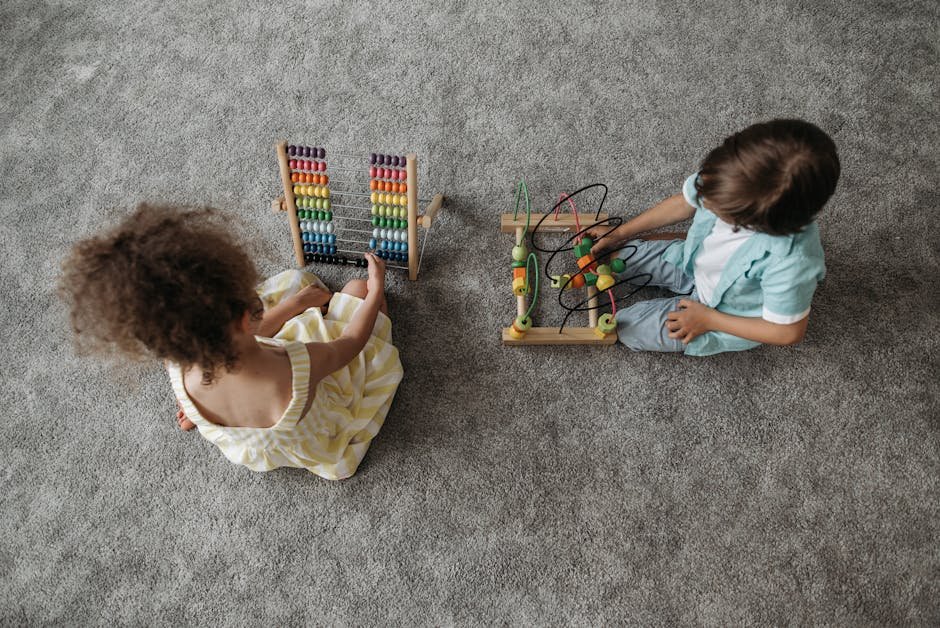
Flash cards at the kitchen table are a one-on-one job, and they can feel like a test. Put the same facts into a game that a parent, a sibling, and a grandparent all play, and the times tables become something the family does together.
All four games in this article need nothing more than a deck of cards, a pair of dice, or a pencil. Each one works with players of different ages, and at the end we look at how to keep the competition friendly.
Why Playing Together Helps
A game asks for a lot of facts in a short time without feeling like drill. In a fifteen-minute round, a child might answer thirty or forty facts and still ask to play again. That is more practice than many worksheets give, and nobody has to nag.
Playing as a family adds something else. Kids hear adults and older siblings say facts out loud, make the occasional mistake, and shrug it off. They see that math is something grown-ups use and even enjoy, which is hard to teach any other way.
There is research on doing math together at home, though not on times tables games in particular. In a 2015 study published in Science, 587 first graders and their parents used an app with short math stories at bedtime. By the end of the year, kids in families that used it most often were about three months ahead of a comparison group that used a reading app.
Games also show you what your child knows. You will notice which facts come quickly and which ones get a long pause or a quiet count on the fingers. Make a mental note of those slow facts, because they are the ones to practice later. A sticky note on the fridge after game night is enough to remember them.
Four Games for the Whole Family
Each game below takes a minute to explain and can be played in ten or fifteen minutes. Start with one, play it a few times over a couple of weeks, and add the next when the first one starts to feel routine.
Product War
Take the face cards out of a deck, and count aces as 1. Deal the rest evenly. Each player flips two cards and multiplies them, and the biggest product wins all the cards in that round. If two players tie, they flip two more.
Everyone says their fact out loud, which lets the others check. For a young player, take out the cards above 5 from their pile, so their facts stay in the tables they know. The game still feels fair, because luck decides a lot of the rounds.
Fact Bingo
Each player draws a grid of 4 rows and 4 columns and fills it with 16 products of their choice, such as 12, 24, 36, and 42. One person calls out facts like "6 × 4" or "7 × 6." If the product is on your grid, you cross it out. Four in a row wins.
Choosing products is part of the game. Older players learn that 12 and 24 show up in many tables, so they come up more often. The caller rotates each round, which gives a younger child a turn to read the facts aloud instead of answering them.
Guess My Fact
One player thinks of a multiplication fact and gives clues: "My product is even. It is bigger than 40. One of my numbers is 7." The others ask yes-or-no questions until someone names the fact, 7 × 8 = 56 in this case.
This game works well in the car or at dinner, because it needs no materials. It also asks kids to think about facts from different angles, not just recall them. Younger kids can give simple clues, like "My product is 10," and the rest of the family finds the facts that make it.
Closest to the Target
Pick a target number, such as 50. Each player gets four cards and chooses two to multiply, trying to get as close to 50 as possible without going over. The closest player scores a point, and the first to five points wins.
A player holding 7, 8, 3, and 6 has choices: 7 × 6 = 42, 8 × 6 = 48, or 7 × 8 = 56, which is over. The best choice is 48. Thinking through options like this is great practice, and it gives older kids and adults something to chew on too.
Keeping the Competition Friendly
In a family, players are never evenly matched. A parent will win Guess My Fact or Closest to the Target nearly every time unless the rules even things out. Handicaps keep it fun for everyone, and kids usually accept them without fuss.
A few that work well: the adult has to answer within a few seconds while the child gets as long as they need; older players use the whole deck while younger ones use only cards up to 5; or the adult has to explain each answer out loud, which also models good thinking.
Competition is not a bad thing in itself. In one experiment with middle schoolers playing a math game, students who played against a classmate and students who played as a team both enjoyed it more than students who played alone. Many families mix both kinds of games.
Some families prefer to play as a team against the game. Set a goal together, like finishing a Bingo card in ten calls, or getting 20 facts right in a row as a group. Everybody wins or loses together, which takes the sting out for a child who is still learning.
Watch for signs that the game has stopped being fun. Tears, arguing about rules, or a child who refuses to play are all signals to stop for the day. End on a light note, and try again another time with a gentler game.
Keep score lightly, if at all. The point of family games is a lot of facts in a happy mood. If your child wants to beat their own record or practice before the next game night, short rounds on a table like the 4 times table are a great way to get ready.