
Board Games for Times Tables: Practice That Feels Like Game Night
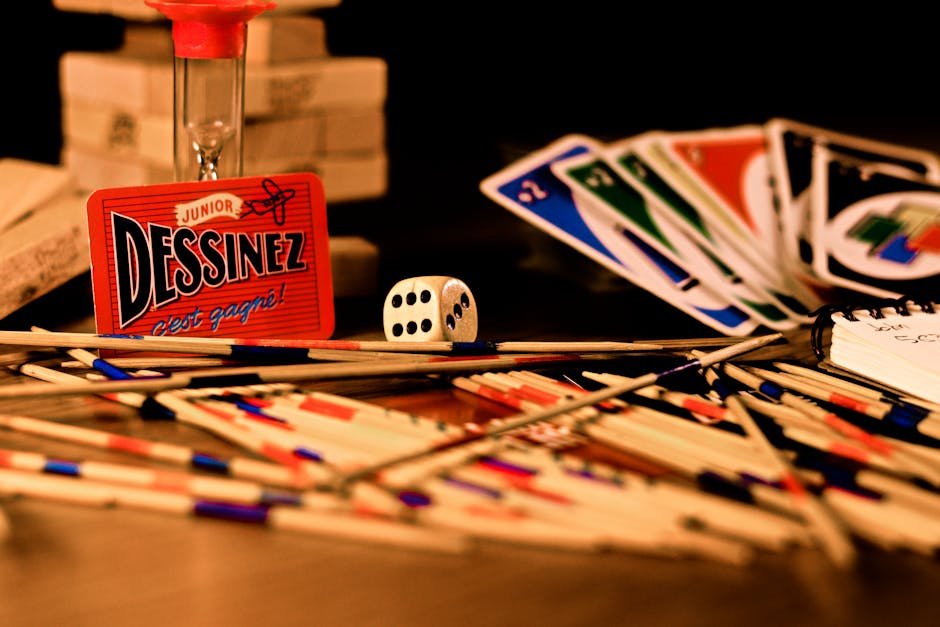
A board game can do something a worksheet rarely does: it gets a child to answer forty facts in half an hour and ask to play again. The key is to pick or build games where the facts are part of every turn, not a quiz bolted onto the side.
Whether you are planning a family game night or a math center, here is what makes a board game useful for times tables practice, five boards you can make at home, and ways to adapt games you already own.
What Makes a Board Game Work for Times Tables
The best games for practice ask for a fact on almost every turn. If a child answers one fact and then waits three minutes for the others, the game is fun but not much practice. Short turns and quick rounds keep the number of facts high.
Good games also let everyone check the answer. When the other players say "yes" or "try again," the child gets feedback right away, and the others are practicing too. Keep a printed multiplication chart nearby for settling arguments, face down until someone needs it.
A bit of luck helps more than you might think. If the strongest player always wins, younger or less confident kids stop wanting to play. Dice, spinners, and shuffled cards give everyone a real chance, while correct answers still matter.
Length matters too. Twenty to thirty minutes is plenty for most kids in elementary school. A game that drags on past bedtime turns into a chore, and the last ten minutes usually bring more guessing than real answers.
There is research behind the idea that simple board games support number learning. Psychologists studied preschoolers in Head Start classrooms who played a short numbered race game a few times over three weeks, and those children improved more on a range of number tasks than children in the comparison groups. That work was about counting and number sense in young children, not multiplication, but it supports the basic idea that a game with numbers on the board can teach.
Five Homemade Boards to Make in an Evening
All five need only paper, markers, a die or two, and a few small objects for game pieces. Make each board for one or two tables at a time, so the facts match what your child is working on this month.
1. The Product Path
This is a race game, and it is the easiest to start with. Here is how to set it up:
- Draw a winding path of about 30 squares from START to FINISH on a large sheet of paper.
- Write a multiplication fact without its answer in each square, using the table your child is practicing, such as 7 × 6 or 4 × 7.
- Add a few special squares, like "move ahead 2" or "pick any fact and ask another player."
- Players roll one die, move, and answer the fact they land on.
- A correct answer means you stay. A wrong answer means you say the right fact out loud and move back one square.
Because the facts are written on the board, you can laminate it or slip it into a sheet protector and use it for months. Make a second path later for a new table.
Kids enjoy helping to make the board. Let your child write some of the facts on the squares. Writing each fact out is practice in itself, and a child who built the board is usually eager to play on it.
2. Cover the Product
Draw a grid of five by five squares and fill it with the answers of one table up to 6 times that number. For the 7s, that means 7, 14, 21, 28, 35, and 42, each written several times in mixed places. Each player gets a different color of beans, coins, or small paper squares.
On a turn, the player rolls two dice, picks one of the two numbers, and multiplies it by 7. If that product is still open on the board, they cover one square with it. The first player with four in a row wins. The choice between the two dice makes kids think about which fact gets them the square they want.
To make it harder, put two tables on one board, such as the 6s and the 7s. Before rolling, the player says which table they will use this turn. With two tables there are more answers on the board, so each turn becomes a small decision about which table gets you closer to four in a row.
3. Find the Fact
Fill a grid with numbers so that facts hide inside it in rows and columns, like 6, 8, and 48 next to each other. Players take turns finding a fact, saying it out loud, and coloring its three squares in their own color. Facts can run in any direction.
This game is slower and calmer than a race. It works well for kids who get anxious when there is a die and a rush, and it is a good choice for two children of different ages to play together.
4. Treasure Map
Draw an island with a path of stepping stones, a few islands along the way, and a treasure chest at the end. Make a small deck of fact cards. Each player draws a card, answers, and moves one stone for a correct answer or two stones for a fact from the hardest table.
The bonus for harder facts makes kids choose the tough cards on their own. Some families add a "storm" card that sends everyone back two stones, which tends to make the whole table laugh.
Write the fact cards together as a short warm-up before the first game. Ten cards for the 6s and ten for the 8s are enough to start, and new cards can join the deck as your child moves to the next table.
5. The Missing Number Race
Use the same kind of path as the Product Path, but write facts with a blank in a different place, such as 6 × __ = 42 or __ × 8 = 64. Players must name the missing number to stay on the square.
This version is harder than it looks, because a child has to know the fact from both sides. It is a good next step for a child who already handles the Product Path without much trouble.
Adapting Games You Already Own
You do not have to buy anything special. Many games already in the closet can turn into multiplication practice with one new rule. Agree on the rule before you start, and keep it the same for the whole game so nobody feels the goalposts moved.
Race Games With a Numbered Path
In any game where players roll and move along numbered squares, add this rule: before moving, the player multiplies the number rolled by the table of the week and says the fact. Rolling a 4 while practicing the 6s means saying "four times six is twenty-four" before moving four spaces.
Games With Play Money
Property and trading games are full of multiplication if you let them be. Rent for three houses, the cost of buying four of the same item, or splitting money among players all become word problems. Let the child act as banker for a round and do the math out loud.
Word and Tile Games
In games where players score points, ask kids to multiply instead of add when a round has a repeated score. If three players each scored 8 points, the total is 3 × 8. Older kids can keep the score sheet and check each other's math at the end.
Strategy Games With Captures
In checkers or similar games, a player can only make a capture after answering a fact card correctly. If they miss, the move still happens but they draw a second card next turn. This slows the game down a little, so it suits kids who already enjoy the game itself.
Whichever game you adapt, keep the new rule simple enough that a child can explain it to a visiting friend. If the rule needs a long explanation every time, the facts get lost in the instructions.
Keeping Game Night Fair for Every Player
Families rarely have players at the same level. A 2nd grader, a 4th grader, and two adults at one table need different facts. The easiest fix is a separate small deck of fact cards for each player, matched to what that person is practicing.
Adults can take the hardest facts, such as the 7s, 8s, and 12s, or answer in a fun voice. Kids like seeing a grown-up work for an answer, and it shows that nobody knows everything instantly.
For a younger child who is not multiplying yet, use the same board for skip counting by 2s or 5s, or for adding the two dice. They are still part of game night and are building the groundwork for multiplication.
Teachers can use the same boards in a math center. Two or three students play one board for ten minutes while the teacher works with a small group. A sheet protector and a dry-erase marker make each board last for the whole year.
Watch for frustration. If one player keeps losing, change a rule quietly in their favor next game, such as an extra roll. You can read more ideas in Family Math Games for Times Tables: Practice as a Family Activity.
From the Game Board Back to Daily Practice
Keep a sticky note by the board. Whenever a player misses a fact, write it down. After the game, that note is a small, honest list of the facts that need more work, and it came from a moment when your child was relaxed and having fun.
Use the list for a few minutes of practice on the next couple of days. Write the facts out, say them out loud, and mix them with a few facts your child already knows. Then put those same facts on the next homemade board.
Games work best alongside a short daily routine. A few minutes on one table of Times Tables Trainer fits easily into a school night. A child can practice the 7 times table online on a school night and bring the same facts to the board on the weekend.
If dice are already a favorite, Dice Games and Times Tables: Roll and Multiply has quicker games that need no board at all.