
Math Homework When Your Kid Is Tired
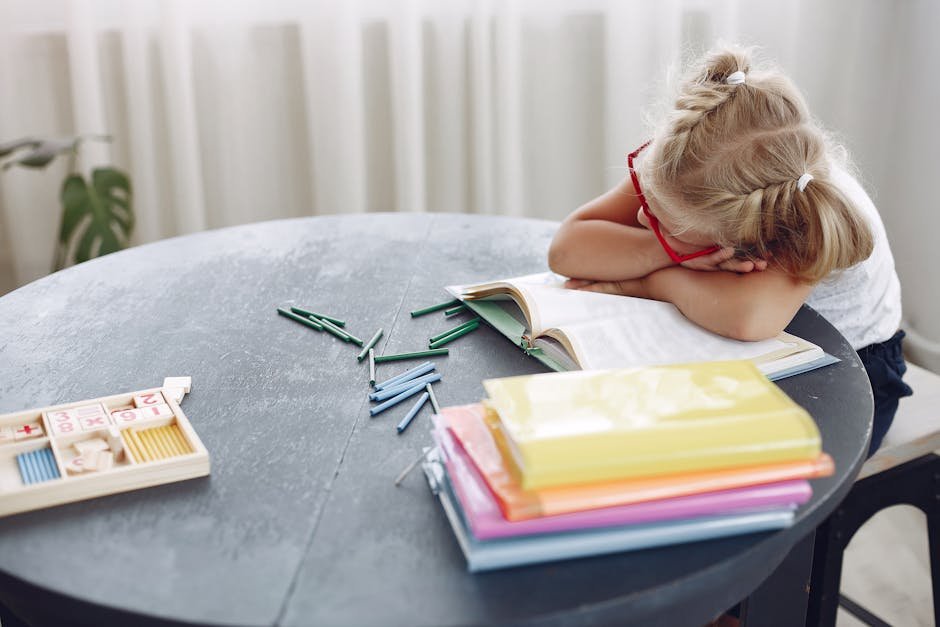
It is 7:30 in the evening, the math worksheet is still in the backpack, and your child can barely keep their eyes open. Every problem turns into a sigh, and 6 × 4 suddenly seems impossible.
Tired nights happen in every family. A clear plan for what to do first, what can wait, and when to tell the teacher keeps them from turning into battles.
Why Tired Kids Struggle With Math
Math homework asks a lot of attention at once. Your child has to read the problem, hold numbers in mind, recall facts, and follow steps in the right order. When attention runs low, those pieces start to drop. Facts that came easily on Saturday morning now need counting, and small slips pile up.
Sleep plays a big part. The CDC recommends 9 to 12 hours of sleep per 24 hours for children aged 6 to 12, and lists better attention and memory among the benefits of enough sleep. After several short nights in a row, even familiar math gets harder, and no homework method fixes that.
Timing matters too. After a full school day, sports practice, and dinner, there may simply be nothing left for long division at 8 p.m. That is not laziness. It is a schedule problem.
What to Do First When Energy Is Low
Start by looking at the whole assignment together for one minute. Which part is due tomorrow? Which problems practice the skill the class is learning right now? Those come first.
Do the hardest thinking problems while there is still some energy left, and save the quick, familiar ones for the end. Easy problems at the end then feel like a downhill finish.
Take a short break before starting if your child just walked in. A snack, a glass of water, and five minutes of moving around can make the next twenty minutes go better than pushing straight through.
Shrink the space too. Clear the table, put away everything except the worksheet and a pencil, and turn off the TV. A tired brain gets distracted more easily, so fewer things in view helps.
Finally, set a limit. An article on the National Education Association's website notes that many districts follow a guideline of about 10 minutes of homework per grade level, which works out to roughly 30 minutes in 3rd grade. When your child is far past that and still working, it is time to stop and write a note.
Questions About Tired-Night Homework
When should I contact the teacher?
Write a short note when homework regularly takes much longer than expected, when your child is exhausted most evenings, or when one assignment simply could not be finished. Keep it factual: "Worked for 35 minutes, finished problems 1 to 8, too tired for the rest." A teacher who knows can adjust; one who does not can only guess.
If the same thing happens several weeks in a row, ask for a short conversation. The teacher may be able to shorten assignments, explain what matters most, or point out whether the problem is the math itself rather than tiredness.
Is it all right to skip times tables practice on a tired night?
Yes. Short, regular practice matters more than any single evening. On a tired night, a quick round of three or four facts is plenty, or skip it entirely. Pick it up again the next day when your child has more energy, for example with a short round on the 9 times table or whatever table is current.
Should I help more than usual?
A little more support is fine on a tired night: reading the problem aloud, or writing down the numbers your child says. Avoid giving the answers, though, because the teacher needs to see what your child can do. If you help a lot, note it on the worksheet so the teacher knows.
What if my child melts down halfway through?
Stop for a few minutes. Get a drink of water, step away from the table, and come back to one problem only. Finishing a single problem calmly often restarts the evening better than a pep talk. If the second try also falls apart, put the worksheet away and write the teacher a note. A calm stop is better than a forced finish.
What if tiredness is every night?
Then look at the bigger schedule. Could homework move earlier, before activities instead of after? Could bedtime move up by half an hour? A pattern of exhaustion is worth a talk with the teacher and, if it continues, with your child's doctor, since sleep and energy problems can have many causes.