
Older Siblings Teaching Math: Make It Work
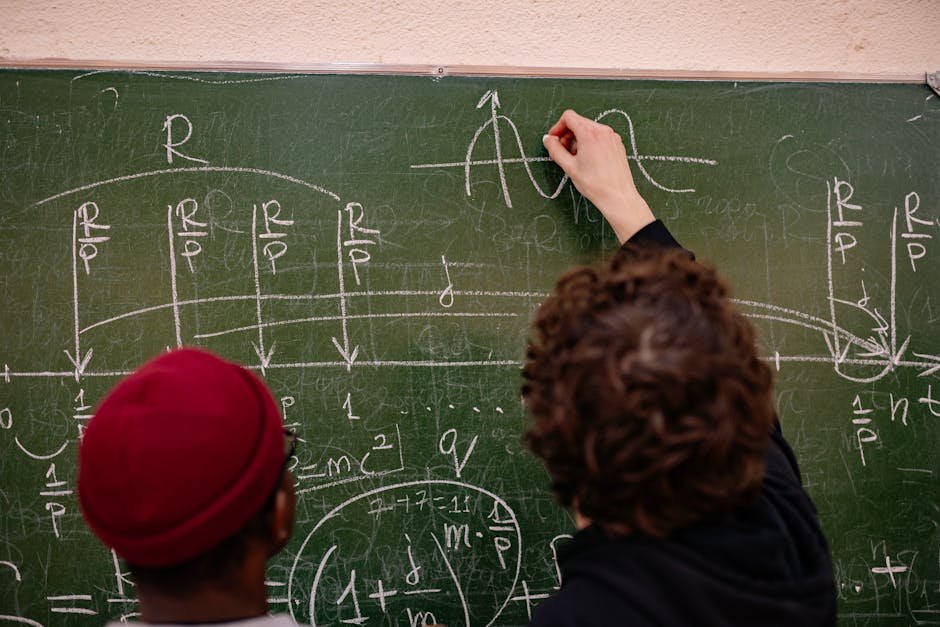
In many homes, the person helping a 3rd grader with the 6s is not a parent but a brother or sister in middle school. That can work very well, or it can end with a slammed door and two upset kids.
With a little structure, sibling practice lands on the good side much more often. Here is a simple plan for a session and the signs that it is time to step in.
What an Older Sibling Brings to the Table
An older sibling learned the same facts only a few years ago. They often remember which ones were hard and how it felt to get stuck, and they explain things in words a younger child understands. Some kids also try harder for a big brother or sister than for a parent.
The helper gains something too. Explaining a fact out loud or checking someone else's answer is good review, and it gives the older child a chance to feel trusted and capable at home.
Still, an older sibling is a practice partner, not a teacher. Their job is to quiz and to check answers. New ideas and methods are best left to the classroom, because a sibling may have learned a different method than the one your younger child's teacher uses this year.
Age makes a difference. A 5th grader helping a 2nd grader with the 2s and 5s can do a great job, but may not have much patience left after school. A high schooler often has more patience but less time, so a fixed day or two each week tends to work better than every night.
Steps for a Good Sibling Practice Session
A little structure prevents most arguments. Go over these steps with the older child before the first session, and keep the first few sessions in a room where you can hear what is going on.
- Keep it short. Ten minutes is enough, and a kitchen timer makes the end clear for both kids.
- Choose one table, or a short list of facts the younger child is working on at school. Ask the teacher or check the homework folder.
- Start with a few facts the younger child already knows, so the session begins with success.
- Let the helper read facts out loud in mixed order while the younger child answers and says the full fact back, such as "six times four is twenty-four."
- When an answer is wrong, the helper says the right fact once in a calm voice, the younger child repeats it, and the helper asks it again a little later.
- No laughing at mistakes and no "that's so easy." Agree on this rule out loud before you begin.
- End by writing down the two or three facts that were hardest, so the next session can start there.
Quiz games work well with siblings. Let them take turns, so the younger child also gets to ask questions, maybe from a table they both know. Being the one who checks the answers makes a younger child pay closer attention.
A practice site can share some of the load. With Times Tables Trainer, the younger child can earn stars on one table, such as the 3 times table, while the older sibling sits nearby and cheers each star.
When to Step In
Watch for signs that the session has turned into a contest. If the older child starts racing to answer first or comparing grades, call a break. Sibling comparison can do real damage to a younger child's confidence in math.
Also watch the helper. An older child who is tired or behind on their own homework should not be pushed into it. Helping works best when it is offered, not assigned as a chore every night.
If the two keep clashing, separate the roles. The older sibling can make flash cards or a homemade game board instead, and you or another adult do the quizzing. Some pairs simply do better as game partners than as tutor and student.
Keep an eye on what the younger child says afterward too. "That was fun" is a good sign. Long silences or "I'm bad at this" mean the format needs to change, even if the facts are improving.
Thanking the Helper
Notice the older child's patience in front of both kids. Comments like "you explained that really clearly" mean more to a middle schooler than you might expect, and they show the younger child that helping is valued in your family.
Give the helper something back as well, like choosing the movie on Friday or a later bedtime once a week. It does not have to be big, but it shows that their time counts.