Veerle Dielen · Elementary teacher · March 23, 2026 · Games & Activities
Practicing Times Tables with a Friend: Peer Learning Power
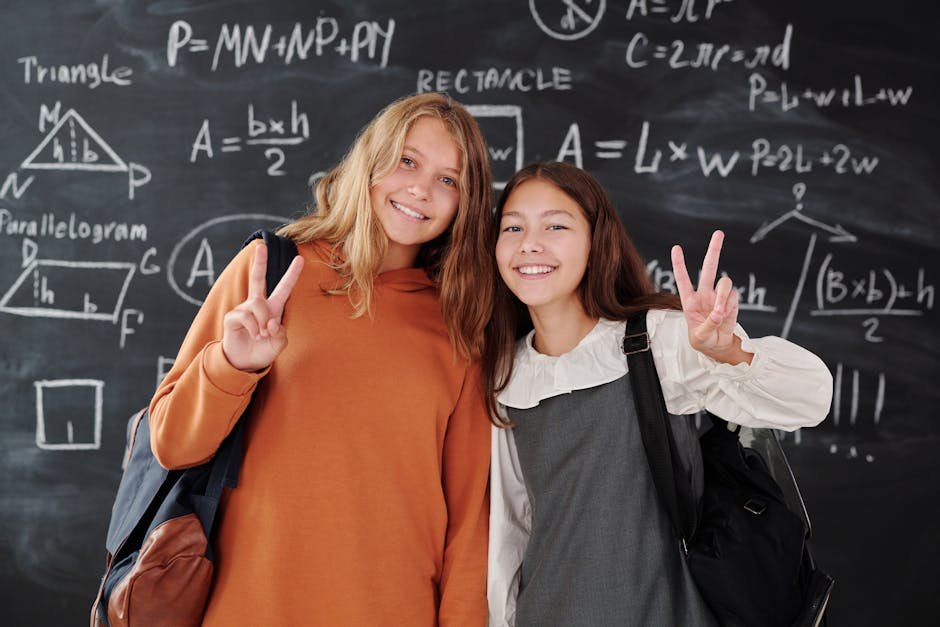
The Magic of Peer Learning in Multiplication
Peer learning, where two friends quiz each other, is a powerful yet underutilized method for mastering multiplication tables. When done well, both children learn faster and enjoy the process more than they would alone. The social element keeps motivation high, as the quick alternation between questioner and answerer reinforces facts in both directions. Also, the friendship adds a layer of accountability that parents can't quite replicate. Let's delve into how you can set this up effectively.
Why Peer Learning Excels
Several elements make peer learning particularly effective for mastering times tables:
- Teaching Reinforces Learning. When a student asks a question and confirms the answer, they reinforce their knowledge of that fact. This acts as a double-edged sword of learning for both students.
- Friendly Competition Motivates. A bit of competition between friends can deeply engage children, making them more eager to learn and retain multiplication facts.
- No Power Dynamics. Practicing with a peer is different from practicing with a parent or teacher; there are no hierarchical pressures, making mistakes less embarrassing and learning more relaxed.
- Light Speed Pressure. The desire to answer faster than a friend is a friendlier form of pressure compared to racing against a clock.
- Social Learning Environment. Kids who resist working alone often find the same tasks enjoyable when done with a friend, transforming learning into a fun activity.
Structuring Effective Duo Practice Sessions
Creating a structured environment for peer learning can maximize its benefits. Here’s a simple yet effective format:
The Classic Card Flip
- Two friends, one stack of multiplication fact cards.
- They take turns quizzing each other. If the answer is right, the questioner keeps the card.
- If wrong, the card goes to the bottom of the deck.
- After 5 minutes, whoever has more cards wins.
This format is simple and can be completed in about 10 minutes. It's perfect for a quick session during a playdate or after school.
Alternative Formats for Variety
- Multiplication War: Both kids flip cards simultaneously, multiply the numbers, and the fastest correct answer wins the cards.
- Dice Race: Kids roll dice, multiply the numbers, and add to a running total. The first to reach 100 wins.
- Round-Robin Quiz: Each child gets 60 seconds to answer as many questions as possible, alternating turns.
- Relay Race Multiplication: Children line up and take turns running to a board to solve multiplication problems, adding a physical element to the learning.
- Multiplication Bingo: Use a bingo card with answers to multiplication problems. Call out equations, and the child marks the answer on their card.
Case Studies: Peer Learning in Action
Consider the example of Sarah and Emily, two third-graders who use peer learning to master their times tables. They meet twice a week for a 15-minute session. They enjoy the friendly competition and often challenge each other to improve their speed and accuracy. Sarah, who initially struggled with her 8s and 9s, found that explaining these facts to Emily helped solidify her understanding. Meanwhile, Emily, who was quick with her 2s and 3s, learned patience and teaching skills while helping Sarah.Another example is Jake and Max, fourth-graders with different learning speeds. Jake, who absorbs new information quickly, sometimes gets bored. To tackle this, they modified their sessions by introducing new challenges, like solving two-step multiplication problems. This approach kept Jake engaged while allowing Max to learn at his own pace.In another scenario, Lily and Mia, fifth-grade students, incorporated technology into their peer sessions. They used multiplication apps on their tablets to quiz each other, setting personalized challenges that catered to their individual learning speeds. This modern twist kept the sessions exciting and showed significant improvement in their multiplication skills over time.
Age-Specific Tips for Multiplication Mastery
Grades K-2: Building Foundations
At this stage, focus on making multiplication fun and intuitive. Use visual aids like arrays and groupings to demonstrate concepts. Incorporate multiplication into daily activities, like counting groups of snacks or toys. Games that involve basic multiplication facts can also be very effective.For example, while setting the table, ask your child to count the total number of forks by multiplying the number of people by the number of forks each person needs. This real-world application helps solidify their understanding.
Grades 3-4: Strengthening Skills
By third grade, children begin to tackle multiplication tables in earnest. Encourage peer learning sessions and introduce fun, competitive games like Multiplication War or Dice Race. Use everyday opportunities, such as calculating the total cost of items while shopping, to reinforce multiplication skills.Consider incorporating music and movement into learning. Songs that include multiplication facts can make memorization easier, while activities like dancing or clapping to the rhythm of multiplication songs can enhance retention.
Grades 5-6: Refining Knowledge
For older elementary students, focus on speed and accuracy. Encourage them to use multiplication in real-world scenarios, such as cooking (doubling recipes) or budgeting allowance. Peer learning can now include more complex problems, like multi-step multiplication or division challenges.Introduce the concept of estimation in multiplication. For instance, if they're calculating 47 x 6, guide them to estimate 50 x 6 first to get a rough idea of the answer, then adjust accordingly. This not only boosts their math skills but also their problem-solving abilities.
Pitfalls to dodge
While peer learning is beneficial, there are common mistakes to watch out for:
- Mismatched Skill Levels. Pairing children with vastly different abilities can lead to frustration for both parties. The slower learner may feel embarrassed, while the faster one might become bored.
- Over-Competitiveness. Ensure that the competition remains friendly. If one child is significantly more competitive, it can strain the friendship.
- Fragile Friendships. If the friendship is new or unstable, introducing a competitive element might not be wise. Ensure there's a strong foundation before starting peer practice.
- Showing Off. Avoid situations where one child uses the session to display superiority. This can discourage the other child and shift the focus from learning to status.
- Inconsistent Practice. Sporadic sessions can lead to uneven progress. Consistency is key to building and maintaining skills.
Special Situations: Tailoring Peer Learning
Children with Test Anxiety
For children who experience test anxiety, peer learning can provide a relaxed environment that mimics test conditions without the pressure. Encourage low-stakes practice sessions, gradually increasing the challenge as confidence builds. Consider using calming techniques, such as deep breathing exercises, before starting sessions to reduce anxiety.
ADHD
Children with ADHD may benefit from the dynamic and interactive nature of peer learning. Incorporate movement into sessions, such as standing while answering or using physical objects for calculations, to keep them engaged. Break sessions into shorter chunks with frequent breaks to accommodate attention spans.
Gifted Learners
Gifted learners may quickly master basic multiplication facts. Challenge them with advanced problems, like multi-digit multiplication or introductory algebra, to keep them stimulated. Encourage them to create their own quizzes or teach their peers to further deepen their understanding.
Dyscalculia
For children with dyscalculia, peer learning should be paired with other supportive strategies, such as using manipulatives and visual aids. Focus on understanding concepts rather than rote memorization. Encourage the use of number lines and charts to visualize multiplication problems.
Actionable Tips for Parents and Teachers
- Provide the Right Tools. Use engaging materials like flashcards, dice, and multiplication games.
- Encourage Regular Practice. Consistency is key. Short, frequent sessions are more effective than infrequent, longer ones.
- Create a Positive Environment. Ensure that learning sessions are fun and stress-free.
- Be Supportive But Hands-Off. Allow children to navigate their learning, stepping in only when necessary.
- Celebrate Successes. Recognize and praise improvements, no matter how small.
- Set Goals. Help children set achievable goals for each session to maintain focus and motivation.
- Use Technology Wisely. Incorporate educational apps and online games to diversify learning methods.
- Monitor Progress. Keep track of improvements and areas that need more attention to tailor subsequent sessions effectively.
Collaborating with Schools
Engaging with your child's school can enhance the effectiveness of peer learning. Teachers can offer insights into your child's progress and suggest peers who would be compatible learning partners. What's more, schools might offer resources or support groups for parents seeking to implement peer learning strategies at home.Consider setting up a system where teachers can regularly update you on your child's progress. This can help identify areas that need more focus and ensure that learning at home aligns with classroom goals.
Talking to Your Child's Teacher
Engaging with your child's teacher can provide valuable insights and enhance the peer learning experience. Teachers can offer suggestions for suitable learning partners and provide additional resources. Regular communication ensures that learning targets at home are aligned with school objectives.When discussing with teachers, ask about any specific areas where your child may need additional support. Teachers can also offer strategies that have been effective in the classroom, which you can adapt for home use.
In the Classroom vs. At Home
Peer learning can look different in the classroom compared to at home. In a classroom setting, there are often more structured activities with guidance from a teacher. At home, the environment is more flexible, allowing for creative and personalized learning experiences.In class, teachers might use peer learning for broader concepts, while at home, parents can focus on specific multiplication challenges their child faces. Both settings offer unique benefits that can complement each other to enhance overall learning.
When to Seek Outside Help
If you notice that your child is consistently struggling with multiplication despite regular practice, it might be time to seek additional support. Consider consulting with a tutor or educational specialist who can provide targeted assistance and strategies tailored to your child's needs.Look for signs such as ongoing frustration, lack of progress, or a negative attitude toward math. These may indicate that your child could benefit from professional help to overcome challenges and build confidence.
Long-Term Perspective: Beyond Times Tables
While mastering multiplication tables is a crucial step in mathematical education, the skills gained through peer learning extend far beyond. Children develop communication skills, patience, and the ability to work collaboratively. These skills are invaluable not only academically but also in everyday life.Beyond that, peer learning fosters a positive attitude toward mathematics, encouraging a lifelong love of learning. As children grow, the habits and attitudes formed during these early years will support their academic journey and beyond. Encourage your child to reflect on their learning process and celebrate their progress to build a growth mindset.
A Weekly Routine for Peer Learning
Establishing a routine can help maintain consistency and make peer learning a habit. Here's a sample weekly plan:
- Monday: 10-minute card flip session focusing on challenging tables.
- Wednesday: Dice Race game with an emphasis on speed.
- Friday: Multiplication Bingo for a fun, end-of-week review.
- Saturday: Technology day with educational apps and online games.
- Sunday: Reflect on the week's progress and set goals for the upcoming week.
This routine balances practice with fun, keeping children engaged and motivated.
Reader questions
What if my child dislikes working with peers?
Some children might initially resist peer learning due to shyness or preference for solo activities. Start by pairing them with a trusted friend and gradually introduce peer activities. Highlight the fun and social aspects to encourage participation.
How do I handle conflicts during peer learning sessions?
Conflicts can arise, especially with competitive activities. Encourage open communication and teach conflict resolution skills. Setting clear rules and emphasizing teamwork over competition can also minimize disagreements.
Can peer learning be effective for subjects other than math?
Absolutely! Peer learning can be applied to various subjects, like reading, science, and even art. The collaborative nature of peer learning helps students understand different perspectives and deepen their knowledge across disciplines.
How can I measure my child's progress?
Use quizzes and informal assessments to track improvement. Celebrate milestones and use feedback to adjust learning strategies. Regular communication with teachers can also provide insights into your child's progress.
What if my child is ahead of their peers?
If your child is advanced, pair them with a peer who matches their skill level or slightly challenges them. Alternatively, encourage them to take on a teaching role, which can deepen their understanding and benefit their peers.
To finish
Practicing times tables with a friend through peer learning offers a unique, effective approach to mastering multiplication. By making the process engaging and social, children are more likely to embrace learning and develop a strong foundation in mathematics. With the right structure, tools, and support, peer learning can transform a challenging task into an enjoyable experience.Remember to tailor the approach to your child's unique needs and be ready to adapt as they grow and develop. The skills they gain and the confidence they build through peer learning will serve them well throughout their educational journey and beyond.
