Veerle Dielen · Elementary teacher · December 24, 2025 · Games & Activities
Outdoor Times Tables Practice: 5 Ideas for the Yard
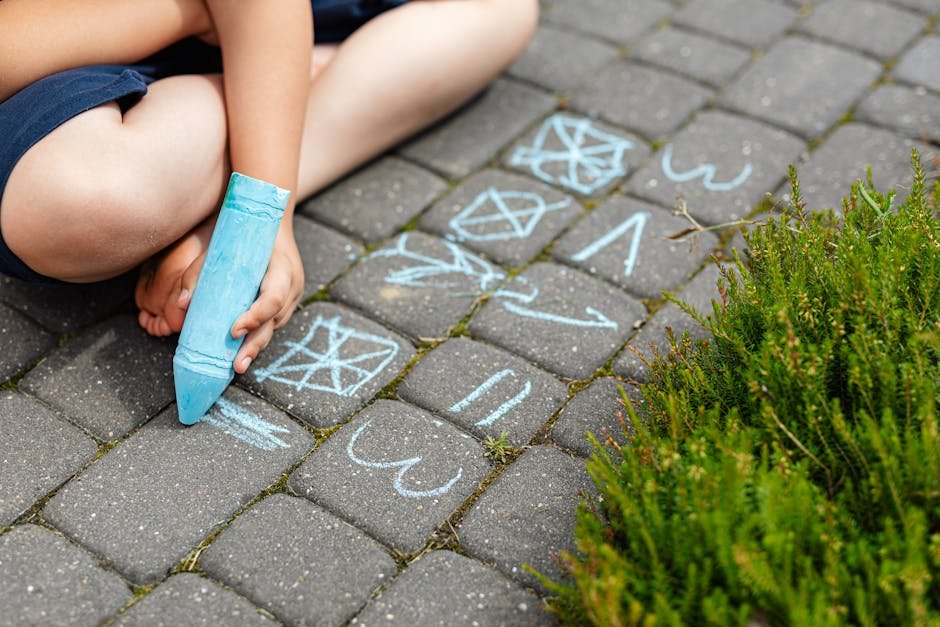
When the weather is good, take times tables practice outside. Outdoor games combine movement, fresh air, and math practice, breaking the association between "multiplication" and "sitting at a desk." Here are five ideas that work in any yard or driveway.
The Benefits of Learning Multiplication Outdoors
Learning multiplication tables is a critical step in a child's math education. However, the traditional method of memorizing times tables at a desk can feel monotonous and uninspiring. By moving this activity outdoors, you can transform it into a dynamic and fun experience. The physical activity involved helps improve attention, memory, and overall engagement. It feels less like a chore and more like playtime, which is especially beneficial for children who struggle with sitting still for extended periods.On top of that, outdoor learning can stimulate a child's senses, making the learning experience more memorable. The change of environment can also alleviate the pressure that often accompanies academic tasks, allowing children to approach multiplication with a more relaxed and open mindset. This method is particularly effective for kinesthetic learners who thrive on movement and hands-on activities.
5 Ways to Practice Times Tables Outside
- Chalk hopscotch with answers: Draw a hopscotch grid on the driveway, but instead of 1 through 10, fill the squares with multiplication answers (12, 24, 35, 56, etc.). Call out a fact; your child hops to the square with the answer. Add variations by timing the hops or adding a second hopscotch grid for a relay race.
- Ball toss multiplication: Toss a ball back and forth. The thrower says a fact like "6 times 8"; the catcher gives the answer before throwing back. Miss the answer, and lose a point. Five points wins. To increase difficulty, use a timer or incorporate more complex facts as your child progresses.
- Sidewalk chalk drill: Write 20 multiplication facts in big chalk letters on the driveway. Your child has to run to each one, shout the answer, and circle it with the chalk. Time how long the whole driveway takes. For added fun, create a "chalk maze" where each correct answer leads to the next fact.
- Bike fact challenge: While biking around the block, give a fact at each driveway. Your child has to call out the answer before passing the next mailbox. Introduce a "speed round" where they have to answer within a certain time to keep pedaling.
- Backyard scavenger hunt: Hide 10 fact cards around the yard. Each card has a multiplication problem and the location of the next card written as a clue. Your child has to solve each one to keep moving. Add riddles or additional math problems for older kids to increase complexity.
Why Movement Helps Learning
Moderate physical activity boosts attention and memory. The brain is more alert, blood flow increases, and the practice feels playful rather than forced. For active kids who hate sitting still, this is the difference between a frustrating practice session and one they actually ask to repeat. Five to ten minutes outdoors is enough. The goal is not endurance but engagement. Combine outdoor sessions with quick random-order practice on TimesTablesTrainer for steady progress.Integrating movement into learning creates a multi-sensory experience, where children not only see and hear the information but also physically engage with it. This can lead to better retention and recall of multiplication facts. Plus, movement can act as a stress-reliever, turning potential frustration into enthusiasm.
Case Studies: Practical Scenarios
Case Study 1: The Reluctant Learner
Consider a child named Alex, a typical third grader who finds traditional study methods boring. Alex resists sitting at a desk for long periods, often becoming distracted or disengaged. His parents decided to try outdoor multiplication games, such as the chalk hopscotch idea. To their surprise, Alex not only participated but also began to show interest in improving his scores. The physical movement kept him engaged, and soon, he was voluntarily suggesting game time in the yard.Alex's transformation highlights how important it is to adapt learning methods to suit individual interests. By observing that he preferred active play, his parents could tailor his learning experience to be more engaging. Over time, they noticed improvements not only in his multiplication skills but also in his overall attitude towards learning.
Case Study 2: The Competitive Sibling Pair
Meet siblings Jamie and Taylor, who are in fourth and fifth grade. They both love a good challenge and enjoy competing against each other. Their parents capitalized on this by organizing ball toss multiplication games. The competitive spirit between the siblings turned practice time into a lively event, with each trying to outdo the other. This competition not only improved their multiplication skills but also strengthened their sibling bond.Their story showcases how incorporating a social element can enhance motivation. By turning learning into a shared activity, siblings or friends can encourage each other, celebrate successes, and provide support during challenges.
Age-Appropriate Tips for Multiplication Practice
Grades K-2: Building the Foundation
For younger students in kindergarten through second grade, focus on introducing the concept of multiplication through simple, relatable examples. Use objects like blocks or toys to demonstrate grouping. Outdoor activities can include counting groups of flowers in the garden or arranging stones in rows. Keep the activities light-hearted and playful, allowing children to explore the concept at their own pace.Encourage children to create stories with their toys, incorporating basic multiplication concepts. For example, "If three teddy bears each have two apples, how many apples are there in total?" This method not only reinforces multiplication skills but also sparks creativity and imagination.
Grades 3-4: Reinforcing Skills
In grades three and four, students are ready to tackle more structured multiplication practice. Activities like ball toss multiplication or sidewalk chalk drills are ideal. At this stage, children can handle timed challenges, which help them improve speed and accuracy. Encourage them to set personal records and celebrate their achievements to build confidence.Incorporate math into everyday activities, such as cooking or grocery shopping. Ask your child to double a recipe or calculate the total cost of several items. These real-world applications of multiplication help reinforce the importance and practicality of math skills.
Grades 5-6: Mastery and Application
By grades five and six, students should be moving toward mastery of multiplication tables. Encourage them to apply their skills in real-world situations, such as calculating the total cost of items while shopping or determining the number of ingredients needed for a recipe. The bike fact challenge is an excellent way to combine physical activity with advanced multiplication practice, offering a fun way to reinforce their skills.Introduce more complex mathematical concepts, like fractions and percentages, to show how multiplication is foundational to these areas. Offer challenges like calculating discounts during shopping trips or scaling recipes up or down.
Common Mistakes to Avoid
While outdoor multiplication practice can be highly effective, there are common pitfalls to avoid. First, don't turn the activity into a high-pressure situation. The goal is to make learning fun, not stressful. Avoid using negative reinforcement, such as scolding for incorrect answers; instead, offer encouragement and support. Also, ensure that the chosen activities are suitable for your child's age and skill level to prevent frustration and disengagement.Another mistake is neglecting to vary the activities. Children can quickly lose interest if they repeat the same game too often. Rotate activities to maintain novelty and excitement. Plus, be mindful of the weather and environment, ensuring that outdoor conditions are safe and comfortable for your child.
Actionable Tips for Parents
- Set a regular schedule: Consistency is key. Dedicate specific times each week for outdoor practice to create a routine.
- Incorporate variety: Rotate between different games and activities to keep your child interested and engaged.
- Involve friends: Invite your child's friends over for group activities. Learning with peers can be more fun and motivating.
- Use positive reinforcement: Celebrate successes with small rewards or verbal praise to boost confidence.
- Adapt to your child's needs: Tailor activities to suit your child's learning style and preferences to maximize effectiveness.
- Set realistic goals: Establish achievable milestones to track progress and celebrate each step forward.
When the standard does not fit
Addressing Test Anxiety
For children who experience test anxiety, outdoor multiplication practice can serve as a stress-reliever. The informal setting and playful nature of the activities help reduce pressure, allowing children to learn in a relaxed environment. Encourage deep breathing and positive self-talk during practice to build confidence.Introduce calming techniques, such as visualization or mindfulness exercises, into the routine. These methods can help children manage anxiety not just during multiplication practice but also in other academic settings.
Supporting Children with ADHD
Children with ADHD often benefit from physical activities that engage both the body and mind. Outdoor multiplication games are particularly effective because they allow children to expend energy while learning. Keep sessions short and dynamic, providing frequent breaks to maintain focus.Incorporate sensory elements, like tactile objects or music, to increase engagement. Encourage short bursts of activity followed by brief relaxation periods to help maintain concentration.
Challenges for Gifted Learners
Gifted children may find standard multiplication practice too easy and become bored. To keep them challenged, introduce advanced concepts, such as multiplying larger numbers or exploring multiplication in different contexts, like geometry or algebra. Encourage them to create their own multiplication games or puzzles to stimulate their creativity.Offer project-based learning opportunities, where they can apply multiplication to real-world scenarios. This could include designing a small business plan or creating a science project that requires precise calculations.
Assisting Children with Dyscalculia
For children with dyscalculia, multiplication can be particularly challenging. Visual aids, such as number lines or multiplication charts, can be helpful tools. Outdoor activities that incorporate tactile elements, like arranging objects or drawing diagrams, can support their understanding of mathematical concepts.Use technology to assist learning. Apps and interactive tools designed for dyscalculia can provide personalized support and track progress over time, complementing outdoor activities.
Talking to Your Child's Teacher
Communication with your child's teacher is crucial for supporting their learning. Share details about your outdoor multiplication activities and ask for feedback or suggestions. Teachers can provide insights into your child's strengths and areas for improvement.Request updates on curriculum progress so you can align home activities with classroom learning. Teachers may also suggest additional resources or techniques to enhance your child's learning experience.
What studies show
Research consistently shows that integrating physical activity into learning can enhance cognitive functions, such as memory and attention. Studies indicate that active learning environments can lead to improved academic performance and increased motivation.Outdoor learning, in particular, is linked with positive emotional and social outcomes. Being in nature can reduce stress, increase creativity, and improve mood. By combining these benefits with multiplication practice, children can enjoy a holistic learning experience that supports both their academic and personal development.
A Weekly Routine for Outdoor Multiplication
Creating a structured routine can help ensure consistent practice while keeping activities fresh and engaging.
Monday: Chalk Hopscotch
- Set up a new hopscotch grid with different multiplication answers each week.
- Time your child to see if they can beat their previous record.
Wednesday: Ball Toss Multiplication
- Invite a friend or sibling to join for a mini-tournament.
- Introduce a new rule, like answering within five seconds for an extra point.
Friday: Bike Fact Challenge
- Plan a new route with interesting landmarks for each challenge.
- Mix in some addition or subtraction facts for a math variety.
Saturday: Backyard Scavenger Hunt
- Create a themed hunt, such as a pirate treasure map, with multiplication clues.
- Involve the whole family for a fun weekend activity.
Reader questions
How long should each outdoor practice session last?
Keep sessions short and engaging, about 10 to 15 minutes is ideal. This prevents fatigue and maintains enthusiasm.
What if my child doesn't enjoy these outdoor games?
Try different activities to find what excites them. Involve your child in choosing or creating new games to boost their interest.
How can I assess my child's progress in multiplication?
Use informal assessments, like timing their completion of activities, or ask them to solve real-world math problems during everyday tasks.
Can these activities replace formal math homework?
While they are a great supplement, ensure your child completes any assigned homework to meet curriculum requirements. Use these activities as an engaging add-on.
How can I motivate a child who is discouraged by mistakes?
Focus on positive reinforcement and celebrate improvements, no matter how small. Encourage a growth mindset by emphasizing effort over perfection.
Closing thoughts
Outdoor multiplication practice offers a fresh and effective approach to learning times tables. By combining physical activity with math practice, you create an enjoyable and engaging experience for your child. Tailoring activities to meet individual needs and collaborating with schools can further enhance this learning journey. Remember, the goal is not just to memorize numbers, but to foster a positive attitude toward math that will last a lifetime. Embrace the opportunity to learn together in the great outdoors, and watch your child's confidence and skills grow.
