
Single Parents and Math: Streamlined Practice Strategies
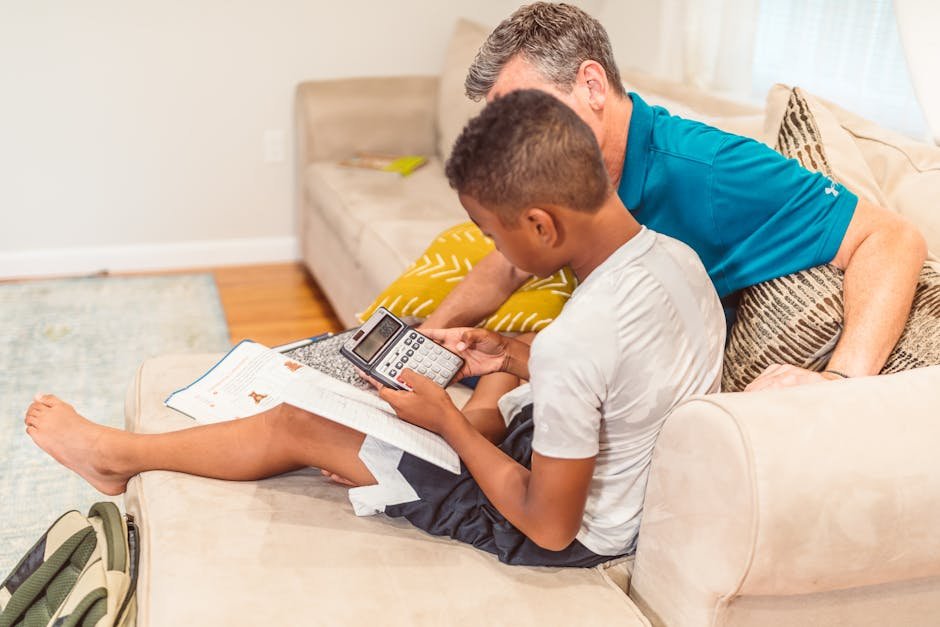
When you are the only adult at home, homework help competes with dinner, laundry, work emails, and bedtime, all at once. Times tables practice can feel like one more thing you are failing to fit in.
You are far from alone. In 2020, the Census Bureau counted about one in four American children living with only one parent. The questions below are the ones single parents ask most often, with answers that fit a real evening.
Finding the Time
How much time does times tables practice really need?
Less than you might fear. Five to ten minutes on most days is enough for steady progress, as long as it happens regularly. A short session every day beats a long one on the weekend, because facts stick better when practice is spread out.
For perspective, a long-running Department of Education guide for parents cites a common guideline of 30 to 60 minutes of total homework a day for 3rd through 6th graders. Times tables practice only needs a small slice of that.
What if I work evenings or late shifts?
Practice does not have to happen at night. Ten minutes before school, a few facts at breakfast, or a short session right after school with a sitter or relative all work. What matters is that it happens at roughly the same point in the day, so it becomes a habit.
If your child practices on a site like Times Tables Trainer while you are at work, you can still stay in the loop. Ask your child to show you the stars they earned when you get home, or set up a family on the site so you can follow progress from your own phone.
Can we practice in the car or while I cook?
Yes, and for many single parents these are the best moments. A car ride is ten minutes with your child's full attention and nothing to set up. Ask a few facts, take turns asking each other, or play a quick guessing game: "My product is 24, and one number is 6."
Cooking works too. Your child can sit at the counter and answer facts while you stir. Or bring the math into the food: three plates with four chicken nuggets each, how many nuggets?
Fitting Practice to Your Child's Age
What works for a 2nd grader?
In 2nd grade, kids are just beginning to think in equal groups. Short games work better than drills: count socks in pairs, stack coins in 5s, or skip count by 10s on the way to school. Keep it playful and brief. At this age, noticing groups in everyday life matters more than memorizing anything, and it fits easily into errands you are already running.
What about 3rd and 4th graders?
This is when the facts themselves need practice. A few minutes a day on one table at a time works well, plus a quick mixed review of older tables once a week. If your child is working on the 3 times table, a page or a few rounds on a site each day is enough.
And a 5th grader?
By 5th grade, many kids can practice fully on their own. Your job shifts to checking in: which facts are still slow, and is practice actually happening? A 5th grader can also help a younger sibling, which reinforces their own facts.
Getting Help So It Is Not All on You
Can after-school programs help?
Often, yes. In a 2020 national survey by the Afterschool Alliance, 73% of parents with a child in an after-school program named help with homework as a benefit. The same survey found that for every child in a program, three more would join if they could, so ask early.
Public libraries are another option. Many have homework help, free study space, or tutoring for school-age kids. Ask your local branch what it offers for elementary students.
How do I stay in touch with the teacher if I can't make conferences?
Email is usually the easiest route. A short note at the start of the year, saying you are a single parent with a busy schedule and asking how best to stay in touch, goes a long way. Many teachers can also do a phone call or a video meeting instead of an in-person conference.
Ask the teacher one simple question: which tables is the class working on right now? That one answer lets you focus the few minutes you have. It also tells the teacher you are paying attention, even if you cannot be at school in person.
Can a grandparent or older sibling take a turn?
Absolutely. Practice does not need to come from you every time. A grandparent who quizzes your child on the phone twice a week, or an older sibling who runs five minutes of flash cards, gives you a night off and gives your child another person cheering them on.
When Your Child Has Two Homes
How do we keep practice consistent between two houses?
Keep a set of supplies in each home: flash cards, a pencil, and a short note about which table your child is working on this week. If your child practices online, the stars are saved in the browser of each device. With a family login on the site, progress follows your child from one home to the other.
GreatSchools, a parent site, suggests making sure both parents get school notices and know what the homework is. A shared message thread or calendar can do the same job for times tables.
What if the other parent does things differently?
That is normal, and it is usually fine. Kids adapt to different routines in different homes. What helps is agreeing on the basics: which table is the focus, and roughly how much practice each day. The details can stay different.
If agreement is hard, focus on your own time with your child. Steady, calm practice in one home still makes a real difference.
What if I just can't do it some weeks?
Then skip it without guilt. A week off happens, and the facts usually come back quickly. When you restart, begin with tables your child knows to rebuild confidence, and add the new ones a day or two later.