
The Homework Compromise: Setting Reasonable Math Practice Limits
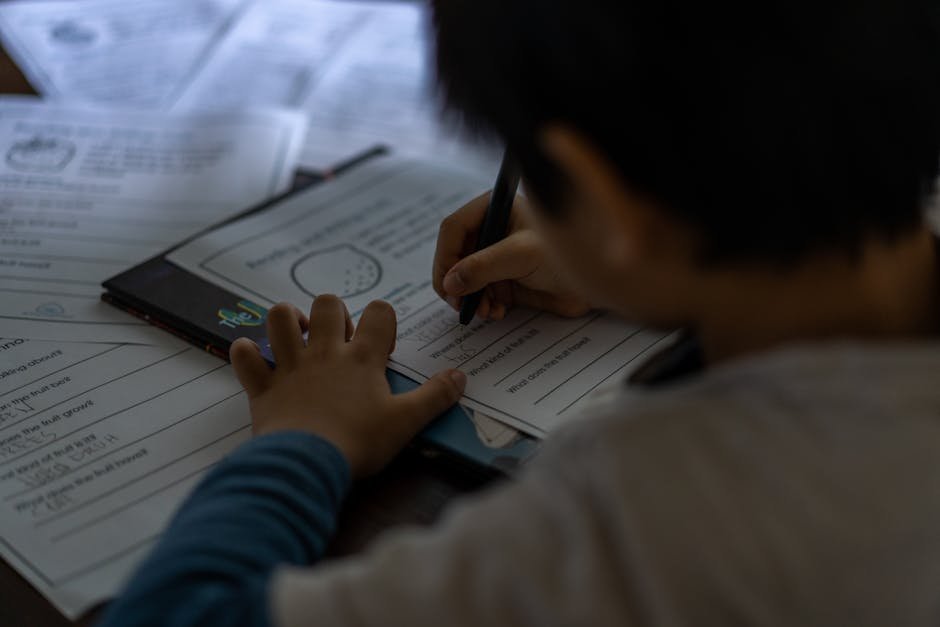
In many homes, the nightly argument is not about whether to practice math but about how much. A child wants to stop, a parent wants one more page, and everyone ends the evening annoyed.
A fair agreement at home can end that. Six common beliefs make the fight worse; each one comes with what tends to work instead.
Myth: Practice Should Last Until the Page Is Done
Finishing the page feels like the natural end point. The trouble is that a page takes a confident child eight minutes and a struggling child forty. The kid who needs the most help ends up with the longest, most miserable evenings.
A time limit is fairer. Agree on a set number of minutes, set a timer your child can see, and stop when it rings, even if a few problems are left. The child knows the end is coming, which makes the minutes before it much more focused.
If the work is assigned homework rather than extra practice, a time limit still helps. Write the time on the page and send it back unfinished. Teachers would rather know a worksheet took most of the evening than get a finished page and a family in tears.
Agree in advance what happens when the timer rings in the middle of a problem. Most families let a child finish the one they are on and then stop. Small rules like that remove the last-minute arguments that can spoil an otherwise good session.
Myth: More Minutes Means Faster Progress
It seems logical that twenty minutes of times tables would teach twice as much as ten. Memory does not work that way. Practice spread over several short sessions sticks better than the same practice done in one long block, and attention fades fast in young kids.
For fact practice, five to ten minutes on most days is a reasonable target from 2nd grade on. That is short enough that your child can give it full effort and long enough to get through a table or a mixed set of facts.
If you want more practice, add a second short session later in the day instead of stretching the first one. Two rounds of five minutes with a few hours in between usually beat one round of fifteen. The reasons are laid out in five minutes a day.
Myth: A Fair Deal Has to Be the Same Every Night
Rules feel fair when they never change, so many families try to fix one plan for every weekday. Real weeks are uneven. A night with soccer practice, a late dinner, or a test the next day needs a smaller plan than a quiet Tuesday.
A better agreement has a normal version and a short version. The normal version might be ten minutes of facts. The short version might be three minutes of the facts your child missed most recently. Both count, and nobody has to argue about which night is which.
Write both versions down and put the paper where your child can see it. Kids handle limits better when the rules are visible and do not depend on an adult's mood that evening.
Weekends can have their own version too. Some families skip practice on Saturday and do a short round on Sunday evening, which keeps the facts from going cold before Monday without eating into family time.
Myth: Letting Kids Negotiate Means Giving In
Some parents worry that any discussion about practice teaches kids to bargain their way out of it. In practice, kids follow rules they helped make far more willingly than rules handed to them. Negotiating the details is not the same as negotiating whether practice happens.
Keep the part that is not up for debate small and clear: some math practice happens on school days. Then let your child decide the rest. Before or after a snack, at the kitchen table or on the floor, cards or a screen, the 6s or a mix of older facts.
Review the agreement after two weeks. Ask what is working and what feels unfair. A short check-in like this keeps the deal from turning stale, and it shows your child that their opinion counts.
Expect the first version to need some adjusting. A deal that looked fair on paper may be too long on gym days or too short for a table that is brand new. Changing it after a week or two is normal and shows the agreement is doing its job.
Myth: If Homework Takes Forever, the Child Is Stalling
Sometimes a child is stalling. Often, though, a very long homework session means the work is too hard right now, the instructions were not clear, or your child is too tired to think. Pushing harder rarely fixes any of those.
Watch for patterns over a couple of weeks. If ten problems regularly take half an hour, look at which problems eat the time. Counting on fingers for every fact in the 7s is not laziness; it means the 7s need more practice.
That is useful information for the teacher. Send a short note or ask at the next conference. Teachers can often shorten assignments, explain a method the class uses, or point you to the facts that matter most this month.
It also helps to keep homework and extra practice apart. If the assigned work already used up the time limit, skip the extra fact practice that night. Piling more practice on top of a hard homework evening is how kids learn to dread math.
Tiredness deserves its own look, since a child who is worn out at 7 p.m. may be fine at 4 p.m. There are ideas for those evenings in math homework with a tired kid.
Myth: Screens Have No Place in Practice Time
Many families keep screens and homework apart, and that rule often makes sense. For fact practice, though, a short online round can be the part of the evening your child minds least, as long as the screen goes off when the time is up.
Earning one star of a table on Times Tables Trainer takes only a few minutes. That makes it easy to build an agreement around stars instead of minutes: one star on a busy night, two on a quiet one.
The stars also give both of you something to look at besides the clock. A row of new stars by Friday is progress a child can see, which makes the deal easier to keep.
Whatever tool you pick, the agreement matters more than the tool itself. A limit everyone understands takes the nightly argument off the table and leaves the practice itself.