Veerle Dielen · Elementary teacher · January 8, 2026 · Real-World Math
Math in Gardening: Rows, Plants, and Harvest
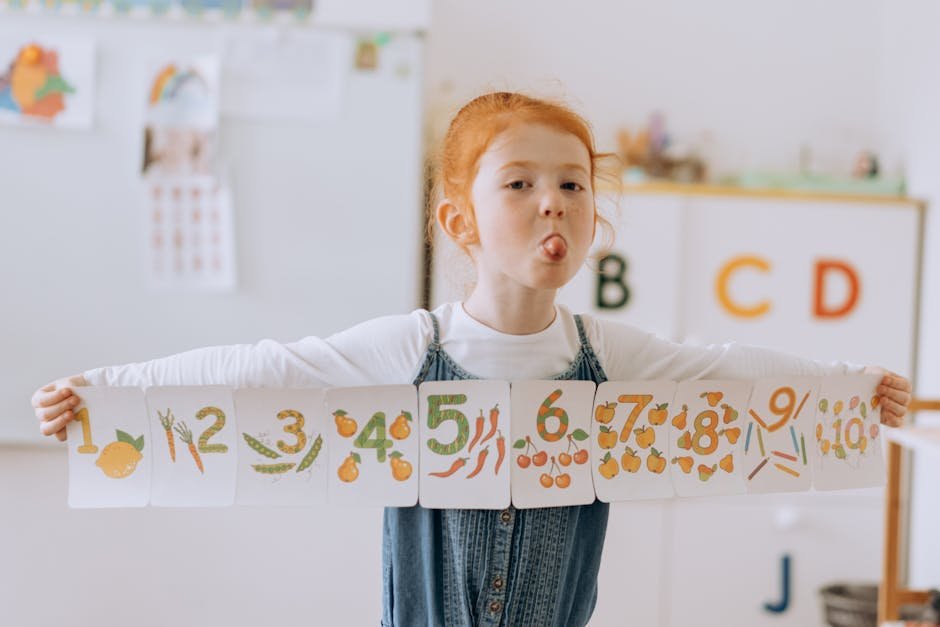
Gardening is more than just a hobby; it's a living math classroom that can transform the way children learn and understand multiplication. For parents and teachers looking to make math engaging and relevant, a garden offers a wealth of opportunities. From planning the layout to counting seeds and measuring water, the garden is a hands-on environment where math comes alive. Let's explore how you can use gardening to teach multiplication to elementary school children in a practical and impactful way.
The Foundation: Garden Layout Math
Before you even plant the first seed, math plays a critical role in the garden layout. This is where children can see the importance of area and multiplication in action.
Calculating Area
Start with the basics of measuring the garden bed. Ask your child, "This bed is 4 feet wide and 8 feet long; what is the area?" This simple calculation results in 32 square feet. By understanding the concept of area, children learn how to utilize space efficiently. This exercise can be extended by asking children to calculate the area of multiple garden beds or to decide how to divide the garden into different sections for various plants, adding complexity as they grow more comfortable with the concept.
Planning Plant Spacing
Plant spacing is another practical application of multiplication. For example, if tomatoes need 2 feet of space each, ask, "How many can fit in a 12-foot row?" The answer is 6. This exercise teaches children to apply multiplication to ensure plants are not overcrowded, which can affect their growth. You can also incorporate different plant types to compare and contrast their spacing needs, which helps children understand diversity in plant care and planning.
Multiplying Rows
Once you've planned one row, expand the concept by asking, "If we plant 3 rows of 6 tomato plants, how many plants total?" This exercise results in 18 plants and demonstrates the power of multiplication in planning and resource allocation. To deepen this understanding, introduce scenarios where plants are added or removed, prompting children to recalculate and understand dynamic changes in the garden.These foundational exercises show children that math has practical consequences. Overcrowded plants do not produce well, reinforcing the importance of accurate calculations.
Seed Math: Counting and Calculating
Seed math is an excellent way to introduce multiplication and subtraction in a real-world context. It involves planning for the future and understanding quantities.
Understanding Seed Packets
Seed packets often provide valuable information. For instance, "This packet has 50 seeds. We will plant 30. How many do we save for next year?" This subtraction exercise results in 20 seeds saved and teaches children to manage resources wisely. Encourage children to look at the seed packet's germination rate and calculate how many seeds are likely to sprout, introducing probability and statistics at a basic level.
Planting Multiple Seeds
Some seeds require planting multiple per spot to ensure germination. Pose the question, "We plant 3 seeds per spot in 15 spots. How many seeds total?" The answer is 45, showcasing practical multiplication. Extend this by discussing what happens if not all seeds germinate and how many might need to be replanted, which teaches children about contingency planning.Through these activities, children learn that math is not just about numbers on a page; it's a tool for planning and problem-solving.
Watering Math: From Measurement to Multiplication
Watering math introduces children to unit conversion and estimation, making it particularly useful for older kids.
Calculating Water Needs
Most plants need about 1 inch of water per week. If your garden is 8x12 feet, that totals 96 square feet. Ask, "If we apply 1 inch of water, how many gallons?" The answer is approximately 60 gallons. This calculation involves both multiplication and conversion, essential skills for real-world applications. Add layers to this by considering different weather conditions and how they might affect watering needs.Watering math helps children understand the importance of precision in math, as too little or too much water can affect plant health.
Harvest Math: Reaping the Rewards
Once the garden starts producing, the math becomes even more rewarding as children see the tangible results of their calculations.
Calculating Total Yield
For example, "Each tomato plant gave us about 20 tomatoes. We had 12 plants. How many total?" The answer is 240 tomatoes. This exercise reinforces multiplication as a way to understand large quantities. Challenge children to track yield over multiple seasons to predict future harvests and understand trends.
Practical Applications in Cooking
Math continues into the kitchen: "We picked 80 tomatoes today. Each makes 4 slices. How many slices?" The result is 320 slices, showing the practical application of math in everyday life. Get children involved in recipes that require specific quantities of ingredients, reinforcing measurements and fractions.These exercises teach children that math has immediate, delicious consequences, reinforcing their learning through tangible rewards.
Garden Activities for Kids: Making Math Fun
Engage children with activities that integrate math into gardening, making the learning process enjoyable and memorable.
The Planting Plan
Encourage your child to help design the garden bed using graph paper. Each square can represent one foot, and plant icons can be placed accordingly. Children practice multiplication by counting rows and spots, making the concept of area tangible. This can be turned into an art project by allowing children to color-code plant types, combining creativity with math.
The Counting Walk
Take a weekly walk through the garden with your child. Count the plants in each row and estimate how big each plant is now. Note the growth and discuss what it means for the upcoming harvest. This activity helps children understand the growth process and the math behind it. Incorporate measurement tools like rulers to track growth in inches or centimeters.
Harvest Tracking
Create a simple chart on the fridge to log each day's harvest. At the end of the week, add up the totals. Mid-summer, these numbers can become significant, offering serious math practice while keeping children engaged with the garden's progress. Use this data to create graphs and charts, introducing basic data visualization skills.
Common Mistakes in Garden Math
While garden math is a fantastic educational tool, there are some common pitfalls to avoid to ensure a successful learning experience.
Ignoring Plant Requirements
One mistake is not considering the specific needs of each plant. For example, failing to account for the space required for each plant type can lead to overcrowding, affecting plant health and yield. Always check the requirements and plan your garden layout accordingly. Use plant tags or a garden journal to keep track of these details.
Overcomplicating Math Problems
Keep math problems age-appropriate. Younger children may become frustrated if problems are too complex. Start with simple calculations and gradually increase complexity as their skills develop. Adjust the difficulty according to their feedback and confidence levels.By avoiding these mistakes, you can create a positive learning environment that encourages children to engage with math.
Actionable Tips for Parents and Teachers
- Start Small: Begin with a small garden bed to make calculations manageable for younger children.
- Use Visual Aids: Graph paper, plant icons, and charts can help children visualize math problems.
- Integrate Technology: Use apps or online tools to track growth and harvest data, connecting math with technology.
- Make it a Family Activity: Involve the whole family in gardening to make math a shared, enjoyable experience.
- Celebrate Successes: Celebrate each successful calculation and harvest to boost children's confidence and enthusiasm for math.
These tips can help create a supportive environment where children feel comfortable exploring math in new and exciting ways.
For Special Situations: Tailored Approaches
Every child is unique, and some may face special challenges when learning math. Here are some tailored approaches for specific situations.
Test Anxiety
For children with test anxiety, the non-pressured environment of a garden can help build confidence. Emphasize that mistakes are part of learning and celebrate small successes to reduce anxiety. Introduce breathing exercises or mindfulness moments during gardening tasks to create a calm learning environment.
ADHD
Children with ADHD often thrive in hands-on environments. The physical activity of gardening can help them focus and engage with math in a way that traditional classroom settings may not. Use timers for tasks to build a sense of routine and structure, which can help maintain focus.
Gifted Students
Gifted students may benefit from more complex calculations, such as estimating growth rates or predicting harvest yields based on weather patterns. Challenge them with these advanced problems to keep them engaged. Encourage them to design their own garden experiments and analyze the results.
Dyscalculia
For children with dyscalculia, use visual aids and tactile activities to help them grasp mathematical concepts. Simplify problems and provide plenty of practice to build their confidence and understanding. Use multi-sensory learning techniques, such as touching and moving seeds to visualize numbers.By tailoring your approach to each child's needs, you can create a supportive learning environment that maximizes their potential.
A Weekly Routine: Structuring Learning
Establishing a regular routine can help children integrate math learning into their gardening activities without feeling overwhelmed. Here's a simple weekly plan:
- Monday: Planning Day - Discuss what needs to be done in the garden, review progress, and set math-related goals for the week.
- Wednesday: Data Collection - Measure plant growth, water usage, and count new sprouts. Record these findings in a garden journal.
- Friday: Math Review - Use the data collected to solve math problems. Challenge your child with new calculations based on the week's activities.
- Sunday: Reflect and Predict - Reflect on the week's work and make predictions for the coming week. Discuss any math concepts that were challenging and explore them further.
This routine helps children see the ongoing nature of both gardening and math, reinforcing the connection between the two.
Collaborating with Schools: Building Bridges
Cooperating with your child's school can enhance their learning experience by providing a consistent and supportive approach to math education.
Communicating with Teachers
Keep in touch with your child's teacher to understand their math curriculum and find ways to complement it with gardening activities. Share your garden math experiences and ask for tips on reinforcing key concepts at home. Establish regular check-ins to discuss progress and any difficulties your child might be facing.
Incorporating Garden Math into School Projects
Suggest incorporating garden math into school projects or science fairs. This can create a bridge between home and school learning, reinforcing the practical application of math. Collaborate with teachers to organize garden visits or workshops that integrate math lessons with hands-on gardening activities.By working together with schools, you can create a cohesive learning experience that benefits your child's math education.
Long-Term Perspective: Growing Math Skills
Gardening is not just about immediate results; it's a long-term investment in your child's math skills and overall education.As children grow, they can take on more responsibility in the garden, from planning and planting to harvesting and cooking. Each stage involves different math skills, providing continuous learning opportunities. Over time, these experiences can lay a strong foundation for advanced math concepts and problem-solving skills. Encourage children to keep a garden diary over the years to track their progress and reflect on their learning journey.
When to Seek Outside Help
While gardening can be an effective tool for teaching math, there are times when additional support is needed. If your child consistently struggles with math concepts despite engaging in garden math or shows signs of frustration and discouragement, it may be beneficial to seek outside help.Consider hiring a tutor who can provide personalized math instruction and address specific challenges. Look for community resources, such as workshops or programs, that offer additional support in math education. Collaborate with your child's teacher to develop a tailored plan that meets their unique needs.
What parents want to know
How do I start a garden with my child if I have no gardening experience?
Begin with a small container garden or a few pots on a windowsill. Choose easy-to-grow plants like herbs or salad greens. Use online resources or local gardening groups for guidance. Take it as a learning journey together with your child.
What if we don't have outdoor space for a garden?
You can start a small indoor garden using containers or window boxes. Many vegetables and herbs thrive indoors with sufficient light. Consider using grow lights if natural light is limited.
How can I keep my child engaged with garden math over time?
Vary the activities and introduce new challenges regularly. Involve your child in decision-making and let them take ownership of certain tasks in the garden. Celebrate milestones and successes to maintain enthusiasm.
What age is appropriate to start garden math activities?
Children as young as kindergarten age can begin with simple counting and basic addition. Tailor the complexity of activities to match your child's age and math skills, gradually increasing difficulty as they develop.
How can gardening help with other subjects beyond math?
Gardening can enhance science learning through plant biology and ecology. It can foster language skills through reading plant names and writing garden journals. It also encourages responsibility, patience, and creativity, which are valuable across all areas of learning.By addressing these common questions, parents and teachers can better support children's learning through garden math, making it a rewarding and enriching experience.
