Veerle Dielen · Elementary teacher · February 16, 2026 · Real-World Math
Math for Sports Parents: Stats and Coaching Math
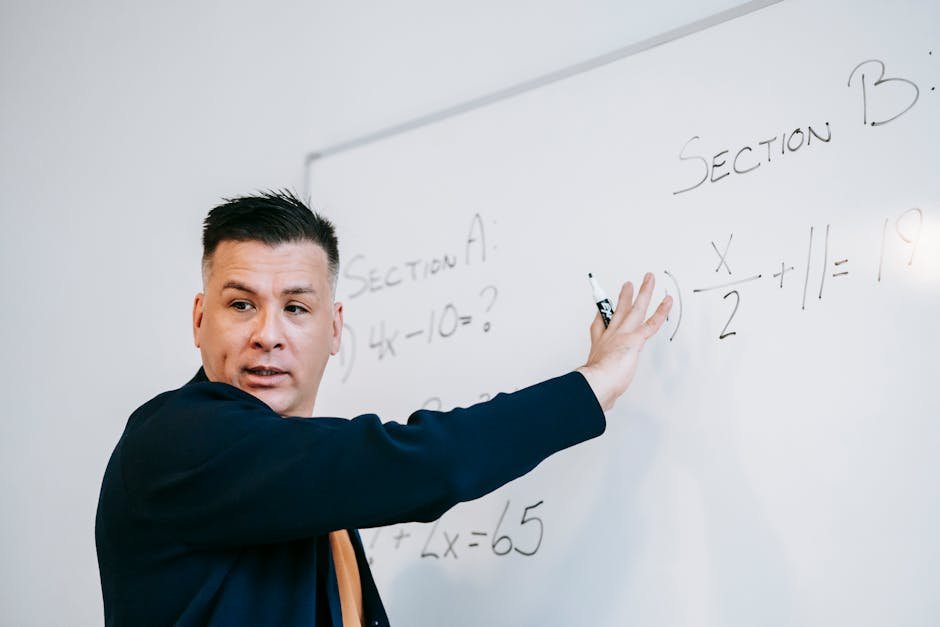
Spending countless hours at your child's sports games not only engages you in the excitement of the sport but also immerses you in a world filled with numbers. As a sports parent, you're constantly tracking scores, calculating averages, estimating playing time, and planning schedules. Sharing these mathematical insights with your young athlete can transform the bleachers into a dynamic math classroom where practical skills come to life through real-world applications.
The Importance of Tracking Stats
In youth sports, statistics are more than just numbers; they tell the story of a game. Understanding stats like goals, assists, hits, batting averages, and shots on goal can enhance your child’s learning experience.
Goals and Averages
Consider a scenario where your child is playing soccer. If he scored 3 goals in 5 games, you can ask, "What is his goals-per-game average?" The answer is 0.6 goals per game. This not only helps with math fluency but also with understanding performance metrics.
Explain how consistency in performance reflects in these numbers, offering insights into training needs.Batting Averages
In baseball, batting averages are a critical component. If your daughter had 12 hits in 30 at-bats, her batting average would be 0.400. This calculation can be a fun way to practice division and fractions.
Discuss how improving one’s batting average requires strategic thinking and practice, linking it to goal setting.Team Performance
When the team scored 24 goals across 12 games, the average goals per game are 2. This can lead to discussions about team strategies and performance improvements.
Use these discussions to encourage teamwork and strategic planning, showing how individual efforts contribute to a group outcome.Understanding Game Time Math
Game time calculations offer another excellent opportunity for math practice. For example, if a game consists of 4 quarters of 12 minutes each, ask, "How long is the total game time?" The answer is 48 minutes.
Planning Arrival and Departure
Consider the logistics of attending a game: "If we get there 30 minutes early and leave 20 minutes after, how long are we at the field?" The answer is 98 minutes (48 + 30 + 20). These calculations teach your child about time management and planning.
Discuss how managing time effectively can reduce stress and improve the overall experience.Tournament Math: Calculating Total Games
Tournaments often involve complex schedules and multiple games. In an 8-team bracket with single elimination, you can ask, "How many total games will there be?" The answer is 7 games. This kind of math involves understanding tournament structures and can be a fun puzzle to solve.
Pool Play Calculations
If pool play involves 4 teams of 4, ask your child, "How many games are played per pool?" This involves combination math and can introduce concepts of probability and strategy.
Discuss how understanding these calculations can aid in strategic planning for coaches and players.Travel Math: Estimating Travel Time
Traveling to games provides another chance for math engagement. If the drive is 35 miles and you’re going 60 mph, you can ask, "How long will it take?" The answer is about 35 minutes.
Departure and Arrival Times
For example, if you leave at 7:30 AM, "What time will we arrive?" The answer is 8:05 AM. These calculations emphasize the importance of punctuality and planning.
Discuss how anticipating travel time can prevent last-minute stress and ensure a smooth start to the day.Coaching Math: Managing Rotations
If you’re a coach, understanding rotation math is crucial. With 10 kids and 5 on the field at a time, each playing 8 minutes per shift in a 48-minute game, each child should play about 24 minutes.
Strategies for Fair Play
Balancing playing time ensures every child gets a chance, teaching fairness and equality. It involves division and multiplication, highlighting the practical application of math in real-life scenarios.
Incorporating these strategies can also enhance team morale and individual satisfaction.Tips for Different Age Groups
Teaching multiplication and other math skills can be tailored to different age groups, ensuring age-appropriate learning.
Grades K-2: Introducing Basic Concepts
For younger children, use visual aids like counters or sports equipment to introduce multiplication. Simple tasks like counting soccer balls can be engaging.
Integrate storytelling with numbers to make math relatable and exciting.Grades 3-4: Building on Basics
At this stage, children can handle more complex problems. Use sports statistics to teach multiplication and division, integrating concepts with their interests.
Introduce basic algebra concepts using sports scenarios to stimulate curiosity.Grades 5-6: Applying Math Skills
Older children can engage in more advanced calculations, such as tournament bracket math or average calculations, enhancing their problem-solving skills.
Encourage them to create their own sports scenarios to solve, fostering creativity alongside analytical skills.What to Avoid: Common Mistakes
Avoid turning math practice into a chore. Keep it fun and relevant to sports. Also, avoid overly complex problems that may frustrate your child.
Recognize signs of frustration early and adjust the difficulty level accordingly to maintain enthusiasm.Actionable Tips for Parents
- Incorporate math into everyday sports activities.
- Use real-life examples to make math relatable.
- Practice consistently but keep sessions short and engaging.
- Celebrate small victories to boost confidence.
- Encourage questions and curiosity about statistics.
- Set a positive example by showing enthusiasm for math yourself.
- Use technology and apps that gamify math learning for added fun.
Special cases to consider
Every child is unique, and some may have special needs that require tailored approaches.
Test Anxiety
For children with test anxiety, practice math in a relaxed setting, using sports as a non-threatening context.
Introduce breathing exercises and relaxation techniques to ease anxiety.ADHD
For children with ADHD, keep sessions short and interactive. Use physical activities related to sports to maintain engagement.
Incorporate breaks and vary tasks to keep focus and interest levels high.Gifted Learners
Challenge gifted learners with complex problems like strategy planning or advanced statistics analysis.
Encourage them to teach younger siblings or peers, reinforcing their understanding and building leadership skills.Dyscalculia
For those with dyscalculia, provide plenty of visual aids and step-by-step guidance to ensure comprehension.
Work closely with educational specialists to develop personalized learning plans.Cooperating with Schools
Communicating with your child's school can enhance their learning experience. Share insights about their interest in sports math and seek support from teachers.Encourage teachers to incorporate sports-related math problems in class, reinforcing concepts learned at home.
Suggest joint projects or presentations that link sports and math, fostering a collaborative learning environment.Long-term Perspective: Developing Lifelong Skills
Teaching math through sports is not just about immediate academic success. It builds a foundation for lifelong skills like critical thinking, problem-solving, and time management.These skills are invaluable not only in academics but also in future career settings, where analytical thinking and effective planning are crucial.
Highlight how these skills are transferable to various life scenarios, from budgeting to project management.Talking to Your Child's Teacher
Regular communication with your child's teacher can provide insights into their progress and challenges.
Discuss your child's interests in sports math and explore ways to integrate these into classroom learning. Teachers can also offer additional resources or suggest areas for improvement, ensuring a holistic approach to your child's education.
A Weekly Routine for Sports Math
Creating a routine can help integrate sports math into your child's life seamlessly. Start by dedicating specific days for different math activities related to sports.
- Monday: Review and calculate stats from the weekend games.
- Wednesday: Plan travel times and discuss game strategies.
- Friday: Solve tournament math puzzles and prepare for upcoming games.
- Saturday: Engage in a fun math game or app that reinforces skills learned during the week.
By establishing a routine, you ensure consistent practice, making math a regular part of your child's activities.
When to Seek Outside Help
If your child is struggling with math concepts despite your best efforts, consider seeking outside help.
Tutors or educational specialists can offer personalized strategies and support. Look for professionals with experience in sports math to keep the learning process relevant and engaging. This additional support can bridge gaps and build confidence.
Questions we hear a lot
How can I make math more enjoyable for my child?
Integrate math into activities they already love, like sports. Use real-life examples and gamify learning with apps or games.
What if my child is not interested in sports?
Find alternative interests where math is applicable, such as cooking, building, or art, and use those as the basis for math learning.
How do I know if my child needs additional help with math?
Look for signs of frustration, low confidence, or consistent difficulty in understanding concepts. Consulting with teachers can also provide insights.
Can sports math really prepare my child for their future?
Yes, it teaches critical thinking, problem-solving, and time management, which are valuable skills in many career fields.
How often should we practice sports math?
Consistent, short sessions throughout the week are more effective than infrequent, longer sessions. Aim for a regular, manageable routine.By integrating math into your child's sports activities, you are not only enhancing their academic skills but also enriching their appreciation for the game. This approach makes learning relevant and enjoyable, demonstrating that math is not just a subject in school but a valuable tool in everyday life.By fostering a supportive and engaging environment, you can help your child develop a positive attitude towards math, setting them up for success both on and off the field.
