Veerle Dielen · Elementary teacher · March 29, 2026 · Parents & Home
Older Siblings Teaching Math: Make It Work
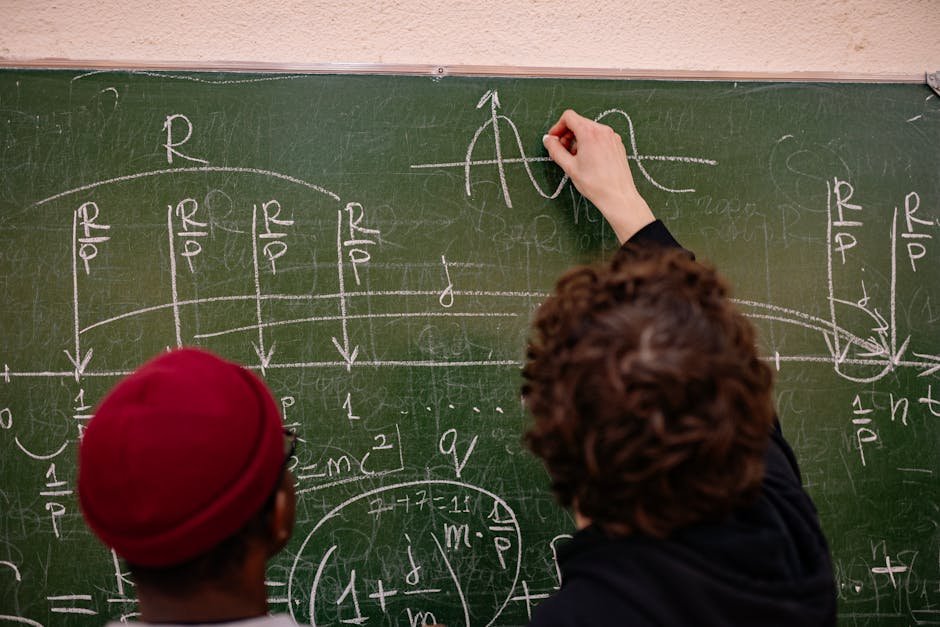
When older siblings take on the role of math tutor for their younger brothers or sisters, it creates a unique learning opportunity. The older child gets to reinforce their own understanding while the younger one benefits from personalized, one-on-one support. This dynamic can strengthen family ties and make learning fun. However, to make this strategy effective, parents need to set the stage properly. There are potential pitfalls, such as impatience from the older sibling or frustration from the younger one. Let’s explore how to organize these teaching sessions for maximum benefit.
Understanding the Benefits
Older siblings helping with math homework can be more than just a convenience. It offers dual benefits, not only reinforcing the older child's knowledge but also providing a stress-free learning environment for the younger one. By teaching, the older sibling revisits concepts they might have forgotten, solidifying their understanding. Meanwhile, the younger child may find it easier to ask questions and express confusion when the teacher is a familiar face.
Reinforcement of Knowledge
Explaining math concepts requires a deeper understanding than simply solving problems. When children teach, they must organize their thoughts and clarify their understanding of the subject. This process is beneficial in reinforcing the older sibling's existing knowledge. For instance, if a fifth-grader is helping their second-grade sibling with multiplication tables, the older child will revisit the basics, which is crucial for building more advanced math skills.Consider a scenario where the older sibling explains the concept of fractions by using a pizza. Dividing the pizza into slices can help both siblings visualize how fractions work. This hands-on approach reinforces the older sibling's understanding while making the concept tangible for the younger sibling.
Personalized Learning
For the younger sibling, having an older brother or sister as a tutor can mean getting help tailored specifically to their learning style and pace. Unlike a classroom setting, a one-on-one session can be adjusted in real-time to address the learner's specific difficulties. If a third-grader is struggling with multiplication, an older sibling can slow down and provide more examples until the concept clicks, something that might not always be possible in a classroom.For instance, if the younger sibling learns better through visual aids, the older sibling can use drawings or even household items to demonstrate math problems. A jar of coins, for example, can be used to teach counting and basic arithmetic.
Setting Up the Right Environment
To ensure that teaching sessions are effective, it's crucial to create a conducive learning environment. This involves selecting the right space, time, and resources.
Choose a Quiet Workspace
Pick a location in your home where distractions are minimal. This could be a quiet corner of the living room or a small study area. Make sure the space is well-lit and has all the necessary supplies, like paper, pencils, and a whiteboard if possible. A dedicated space helps both siblings focus on the task at hand.Consider setting up a "math corner" with a small table, comfortable chairs, and a shelf for all necessary materials. This dedicated area can become a special place for learning, free from interruptions like television or noisy family activities.
Establish a Routine
Consistency helps in forming good habits. Set aside a specific time each day or week for these tutoring sessions. A predictable schedule ensures that both siblings are mentally prepared, and it helps in building a routine that includes learning as a natural part of the day.For example, you might decide that every Tuesday and Thursday after dinner is math time. This not only sets expectations but also helps both siblings to manage their time effectively around other activities.
Choosing the Right Age Gap
The age gap between the siblings is an important factor in determining the success of peer teaching. An ideal age gap allows the older sibling to be seen as knowledgeable without the younger one feeling overwhelmed.
The Sweet Spot: 2-4 Years
Experts suggest a 2-4 year age difference as ideal. If the siblings are too close in age, the younger might not perceive the older as an authority figure, making it difficult for them to listen attentively. Conversely, if the age gap is too large, the older sibling might become bored with the elementary concepts their younger sibling is struggling to grasp.Imagine a 12-year-old assisting their 9-year-old sibling. The older child is far enough ahead academically to provide valuable help, yet the younger child feels comfortable seeking guidance from them. This balance is essential for effective learning.
Case Study: Effective Age Gap
Consider a scenario where a 10-year-old is helping their 7-year-old sibling with second-grade math. The older child is significantly ahead in their education to provide guidance, while the younger child still views them as an authority. This setup fosters respect and a willingness to learn from the older sibling.This dynamic can work particularly well with subjects like basic geometry, where the older sibling can use their advanced knowledge to create engaging activities, such as drawing shapes and measuring angles with a protractor.
Motivating the Older Sibling
To keep the older sibling engaged and responsible, consider offering them incentives. This transforms the activity from a chore into a valued responsibility.
Compensation as Motivation
Paying the older sibling a small fee, such as $5 per session, can be an effective motivator. This payment symbolizes the importance of their role, making them more likely to take it seriously. They will be more inclined to prepare for the session and show up on time, treating it like a job rather than an obligation.Another approach could be earning privileges, such as extra screen time or a special weekend activity. This kind of reward can be just as motivating as monetary incentives.
Praise and Recognition
Recognition can be just as powerful as monetary compensation. After each session, offer private praise to the older sibling. A simple "You were really patient today, and your younger sibling is lucky to have you" can go a long way in boosting their confidence and encouraging them to continue.Public recognition during family meals or gatherings can also be beneficial. Highlighting the older sibling's efforts in front of family members can enhance their sense of accomplishment and responsibility.
Structuring the Sessions
Effective teaching sessions require structure. This involves setting clear goals for each meeting to make the most of the time spent together.
Keep It Short and Focused
Children generally have limited attention spans, so it's important to keep sessions concise. A 15-20 minute window is often perfect. Longer sessions might lead to impatience and frustration for both siblings. During this time, focus on one or two specific topics to avoid overwhelming the younger sibling.For instance, dedicate one session to mastering the concept of addition with carrying. Use tangible items like counting blocks to make the lesson practical and engaging.
Provide a Curriculum
Having a plan removes guesswork and keeps the session on track. For example, a session might involve drilling multiplication tables for ten minutes, followed by a fun math-related game like "Multiplication War." This combination of practice and play can make learning more engaging.Create a simple weekly plan that includes a mix of drilling exercises, creative problem-solving tasks, and interactive games. This variety keeps the sessions fresh and maintains interest.
Supervision and Support
Initially, parental supervision is crucial to set the tone and provide guidance. This ensures that the sessions are productive and that any issues are quickly addressed.
Model Patience and Guidance
During the first few sessions, sit in and observe. Show both children how to interact respectfully, and provide gentle corrections if necessary. This modeling helps the older sibling learn how to handle the teaching role with patience.Consider using role-playing techniques where you act as the younger sibling, allowing the older child to practice explaining concepts clearly and patiently.
Encourage Independence
As the siblings become accustomed to the routine, gradually reduce your involvement. Allow them to manage the sessions on their own, stepping in only when necessary. This autonomy encourages responsibility and strengthens their relationship.Encourage the older sibling to develop their own teaching methods. This might include crafting unique examples or creating simple quizzes for the younger sibling to solve.
Common Mistakes to Avoid
While older siblings teaching math is a great strategy, some common mistakes can hinder its effectiveness. Recognizing these pitfalls can help you avoid them.
Impatience and Frustration
Impatience from the older sibling can quickly lead to frustration for the younger one. Make sure to emphasize the importance of patience and understanding. Encourage the older child to take breaks if they feel frustrated.Implementing a "pause and reflect" strategy can help. If tensions rise, both siblings can take a short break to regroup and approach the problem with a fresh perspective.
Overloading the Younger Sibling
Avoid overwhelming the younger sibling with too much information at once. Keep the sessions focused on a few key concepts, and ensure that the younger child fully understands one idea before moving on to the next.For example, if the session is about subtraction, ensure the younger sibling can solve simple problems before introducing more complex ones involving borrowing.
Actionable Tips for Success
- Set Clear Goals: Define what you want each session to achieve, whether it's mastering the 5-times table or understanding place value.
- Use Varied Teaching Methods: Mix up strategies, such as using flashcards, drawing diagrams, or playing educational games.
- Encourage Questions: Foster an open environment where the younger sibling feels comfortable asking questions.
- Celebrate Small Wins: Recognize and celebrate improvements, no matter how small, to boost both siblings' morale.
- Be Consistent: Stick to the schedule and keep sessions regular to build a solid routine.
- Incorporate Technology: Use apps and online resources to make learning interactive and fun.
For unique situations
Every child is unique, and some may require additional considerations. Here are some tips for special circumstances.
Handling Test Anxiety
If the younger sibling experiences test anxiety, incorporate stress-reduction techniques into the sessions. Teach them breathing exercises or visualization techniques to use before a test. Encourage the older sibling to provide reassurance and positive reinforcement.The older sibling can also simulate test conditions, offering practice tests to build familiarity and confidence for the real thing.
Supporting ADHD
For children with ADHD, keeping sessions dynamic and engaging is crucial. Incorporate movement breaks and use interactive tools like math-based apps or educational videos. The older sibling should be patient and ready to adapt to the younger sibling's pace.Using timers to create a sense of urgency can also help maintain focus. Short bursts of focused learning, followed by breaks, can be particularly effective.
Engaging Gifted Learners
If the younger sibling is gifted, challenge them with more complex problems that push their limits. Encourage the older sibling to explore advanced topics and foster a collaborative learning environment where both siblings can learn from each other.Introduce puzzles and logic games that require critical thinking and problem-solving skills. This approach can help maintain the gifted child's interest and enthusiasm for learning.
Cooperation with School
Collaborating with your child's school can enhance the effectiveness of sibling-led math tutoring. By aligning home learning with classroom instruction, you can reinforce and extend what is taught at school.
Communicate with Teachers
Stay in touch with your child's teacher to understand the curriculum and any areas where your child may need extra help. Use this information to guide the tutoring sessions at home. Teachers can also provide resources and suggest techniques that align with classroom learning.Attend parent-teacher conferences and ask for feedback on your child's progress. This insight can be invaluable for tailoring home learning activities.
Share Progress
Keep the teacher informed about the progress your child is making with their sibling at home. This communication can help the teacher adjust their instructional approach in the classroom, ensuring your child gets the support they need.Regular updates can also highlight the benefits of the tutoring sessions and demonstrate the positive impact on your child's academic performance.
The bigger picture
While immediate improvements in math skills are beneficial, the long-term benefits of sibling-led tutoring can extend far beyond academics.
Building Lifelong Skills
Through teaching, the older sibling develops communication and leadership skills that are valuable in their future academic and professional endeavors. The younger sibling learns resilience and perseverance as they tackle math challenges.These skills are not only applicable in academic settings but also in social and professional environments, helping both siblings thrive in various aspects of life.
Strengthening Family Bonds
Engaging in educational activities together fosters a sense of camaraderie between siblings. This shared experience can lead to stronger family relationships, as siblings learn to support each other in their academic journeys.Encouraging teamwork and collaboration can deepen their connection, creating a supportive network that benefits the entire family.
When to Seek Outside Help
While sibling tutoring can be beneficial, there are times when seeking outside help may be necessary. Recognizing when professional tutoring is needed can ensure your child receives the support they require.
Signs Your Child Needs Additional Help
If your child consistently struggles despite sibling tutoring, it might be time to consider outside help. Look for signs such as persistent frustration, a lack of progress, or increasing reluctance to engage in learning activities.Consult with your child's teacher to determine if professional tutoring is advisable. They can provide insights into your child's learning needs and suggest appropriate resources.
Finding the Right Tutor
When searching for a tutor, consider their qualifications, experience, and teaching style. Personal recommendations from other parents or educators can be invaluable in finding a reliable tutor.Ensure the tutor's approach aligns with your child's learning style and needs. A good match can make all the difference in your child's educational experience.
What parents want to know
How can I encourage my older child to teach without feeling burdened?
Motivate the older sibling by offering incentives such as small rewards or privileges. Emphasize the importance of their role and recognize their efforts through praise and acknowledgment.
What if the siblings have different learning styles?
Encourage the older sibling to adapt their teaching methods to suit the younger sibling's learning style. This might involve using visual aids, hands-on activities, or interactive games to enhance understanding.
How do I handle conflicts during tutoring sessions?
Address conflicts by encouraging open communication and active listening. Implement a "pause and reflect" strategy, allowing both siblings to take a break and return to the session with a fresh mindset.
Can sibling tutoring work for other subjects besides math?
Absolutely. Sibling tutoring can be effective for a variety of subjects, including reading, science, and history. The key is to tailor the approach to the specific subject and the siblings' interests and strengths.
How do I ensure the tutoring sessions align with classroom learning?
Maintain open communication with your child's teacher to stay informed about the curriculum and classroom activities. Use this information to guide home tutoring sessions and reinforce classroom learning.
Wrapping up
Older siblings teaching math to younger siblings can be an enriching experience for both parties. With the right setup, structure, and support, this method can reinforce math skills, foster independence, and strengthen family bonds. By avoiding common pitfalls and adapting to special situations, parents can create a nurturing environment where both siblings thrive academically and personally. Don't forget to communicate with your child's school to ensure that home learning complements classroom instruction. With patience, consistency, and encouragement, older siblings can become effective math tutors, paving the way for both academic success and closer family ties.
