Veerle Dielen · Elementary teacher · January 17, 2026 · Games & Activities
Times Tables as a Game: How to Make Practice Exciting
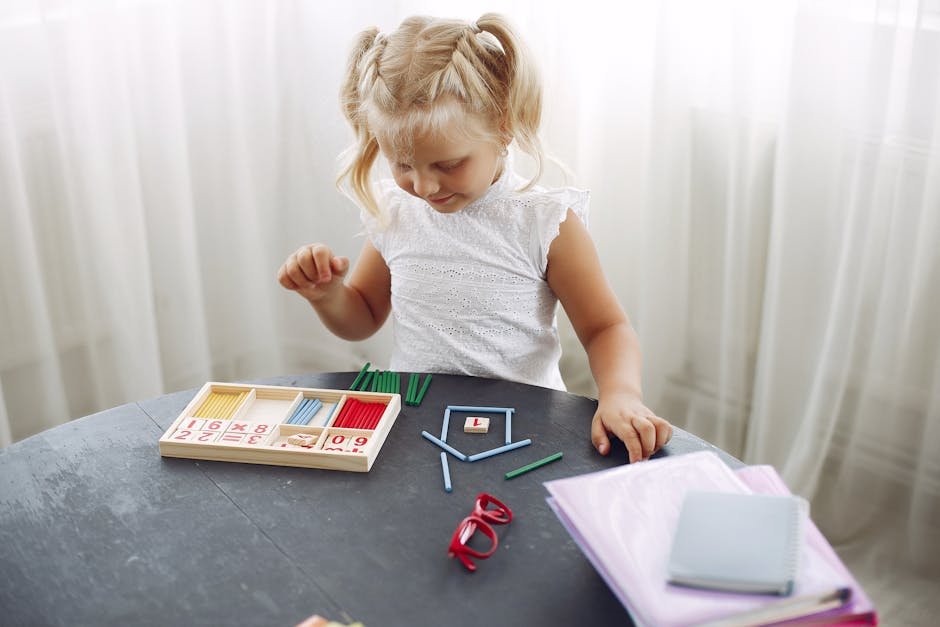
Understanding the Benefits of Gamifying Learning
For many children, learning multiplication tables can feel like a daunting task. However, introducing a game-like element can transform this process into something engaging and enjoyable. The key is keeping the competition light-hearted. A little friendly competition can be motivating, but too much pressure can have the opposite effect. So, how can you use competition effectively to teach multiplication tables?Games can also offer a sense of achievement and progress. As children reach new milestones, they develop a growth mindset, understanding that effort leads to improvement. This mindset is crucial not only in math but across all areas of learning. Also, gamified learning helps in enhancing memory retention as children associate fun with the learning process, making information stick longer.
Why Competitive Elements Work
Games create a sense of accomplishment and urgency. When children know there's a clear goal or visible score, their natural drive to win kicks in. This sense of urgency is absent from traditional methods of "just do your multiplication practice." Even small stakes, like earning a sticker or a high-five, can make a big difference. The brain focuses better when something is at stake, even if it’s something small.On top of that, competition adds variety to practice. The same 20 facts can feel fresh when presented in a new format. For example, turning a worksheet into a timed challenge or a friendly race can make the repetition feel less monotonous.Competition also teaches valuable life skills such as resilience and adaptability. When children face a challenge during a game, they learn to adjust their strategies, which is a vital skill for problem-solving. It also helps them handle both success and failure gracefully, understanding that both are parts of the learning process.
Effective Competition Formats
There are several ways to incorporate competition into multiplication practice. Here are some formats that have proven effective:
- Beat the clock: Set a 60-second timer. See how many facts your child can answer correctly within that time. Aim for your child to beat their previous score each session.
- Beat the parent: Both parent and child take a 60-second quiz on the same set of facts. Parents might purposely get a few wrong to make the game more interesting. Whoever gets the most correct answers wins.
- Sibling tournament: Have siblings compete on sets appropriate to their levels. The older sibling can tackle harder tables to ensure fair competition.
- Streak count: Challenge your child to answer as many facts in a row correctly as possible. Try to beat the previous streak.
- Race to mastery: Focus on one multiplication table. The first person to answer all 10 facts correctly in 30 seconds wins. Move to the next table once one is mastered.
- Math Jeopardy: Create a game board with different multiplication categories and point values. Children choose a category and solve the problem to earn points, similar to the TV game show format.
What to Avoid: Pressure Pitfalls
While competition can be a useful tool, it's crucial to remember it’s not the ultimate goal. The aim is fluency, not necessarily winning. Watch for warning signs that competition is causing stress rather than excitement:
- Your child appears tense or upset instead of enthusiastic during competition.
- They find excuses to avoid practice on game days.
- Wrong answers lead to real frustration, not just a light-hearted groan.
- The "loser" becomes upset or withdrawn.
If you notice these signs, consider switching to cooperative formats where both parties race to beat a target together rather than against each other. Alternatively, focus on non-competitive practice for a while to rebuild confidence.Another strategy is to incorporate mindfulness techniques before starting a practice session. Simple breathing exercises can help reduce anxiety and create a more relaxed learning atmosphere. Remember, the goal is to foster a love for learning, not dread.
Practical Tips by Age Group
Grades K-2: Building Foundations
At this young age, children are just beginning to understand numbers, so it’s essential to make learning fun and engaging. Simple games and songs that incorporate counting can be effective. For example, using musical chairs with a twist: when the music stops, the children solve a simple multiplication problem.Introduce multiplication concepts through storybooks that involve counting and grouping. Books with colorful illustrations can attract young learners and help them visualize multiplication as repeated addition.
Grades 3-4: Introducing Multiplication
Children in this age group are typically ready to start learning multiplication tables. Introduce them slowly, starting with the 1s, 2s, and 5s, before moving on to more challenging tables. Use flashcards to create a game of memory or match, where children must match multiplication problems with their answers.Incorporate board games that involve multiplication. Games like "Multiplication Bingo" or "Times Table Ladders and Slides" can provide a fun way to reinforce learning without it feeling like a chore.
Grades 5-6: Mastery and Speed
Older children are ready to master their multiplication tables and improve their speed. Integrate technology by using apps that turn multiplication practice into a game. These apps often include leaderboards and rewards, which can motivate children to improve their scores.Encourage children in these grades to create their own multiplication games. This not only reinforces their learning but also gives them ownership of the process. They could develop card games, drawing inspiration from games like Go Fish, but with a mathematical twist.
Common Mistakes to Avoid
Even with the best intentions, some common mistakes can hinder progress in learning multiplication tables through games. Here are a few to be aware of:
Focusing Solely on Speed
While speed is important, understanding is crucial. If a child focuses only on answering quickly without truly understanding the concept, they may struggle later with more complex math problems. Balance speed with comprehension by ensuring they grasp the logic behind multiplication.
Inconsistent Practice
Like any skill, consistency is key. Sporadic practice can lead to forgotten facts and lack of fluency. Establish a regular schedule that includes daily practice sessions, even if they're short, to reinforce learning.
Neglecting Individual Learning Styles
Each child learns differently. Some might prefer visual aids, while others benefit from auditory or kinesthetic methods. Tailor the learning process to suit your child’s unique style for better engagement and retention.
Special Situations: Tailoring Approaches
Handling Test Anxiety
For children who experience test anxiety, create a supportive environment. Practice multiplication tables in a calm setting, and use positive reinforcement to build confidence. Remind your child that mistakes are part of learning.Develop a routine where test-like conditions are simulated in a low-pressure way. This could involve practicing with a timer and then discussing any mistakes openly, focusing on learning rather than scoring.
Supporting Children with ADHD
Children with ADHD may benefit from shorter, more frequent practice sessions. Incorporate movement into practice, such as solving problems during a game of hopscotch. Keeping sessions brief and dynamic can help maintain focus.Choose games that are visually stimulating and fast-paced to hold attention. Apps that use colorful graphics and interactive challenges can be particularly effective.
Engaging Gifted Learners
Gifted children may become bored with repetitive practice. Challenge them with more complex problems or introduce elements of strategy into multiplication games to keep them engaged and stimulated.Encourage them to teach multiplication concepts to younger siblings or peers. Teaching others can reinforce their own understanding and provide a new perspective on the material.
Addressing Dyscalculia
For children with dyscalculia, using visual aids and hands-on activities can be beneficial. Incorporate visual representations of multiplication concepts, such as grouping objects or using number lines, to help them grasp the fundamentals.Work closely with a specialist to develop a customized learning plan. Tools such as manipulatives and specialized software can provide additional support.
Actionable Tips for Parents
Here are some practical steps parents can take to enhance their child’s multiplication learning experience:
- Set realistic goals: Start with achievable targets and gradually increase the difficulty as your child improves.
- Use rewards wisely: Small rewards can motivate children, but ensure they’re earned through effort rather than just winning.
- Incorporate variety: Use different competition formats to keep practice sessions engaging.
- Encourage teamwork: Sometimes working towards a common goal can be more effective than competing.
- Monitor emotional responses: Be attentive to your child’s feelings during practice to avoid unnecessary pressure.
- Provide a supportive environment: Ensure that the practice area is conducive to learning, free from distractions, and equipped with all necessary materials.
What Research Says About Gamified Learning
Research has shown that gamified learning can significantly improve engagement and retention in children. According to a study published in the Journal of Educational Psychology, students who learned through games showed higher motivation levels and better performance in tests compared to those who learned through traditional methods.Also, games that include adaptive learning elements, where the difficulty adjusts based on the child's performance, are particularly effective. They ensure that children remain challenged without feeling overwhelmed, maintaining an optimal learning pace.
A Weekly Routine for Multiplication Mastery
Establishing a weekly routine can provide structure and consistency, which are crucial for mastering multiplication tables. Here’s a sample weekly plan:
Monday: Introduction and Review
Introduce a new multiplication table or review a challenging one. Use flashcards or a simple board game to reinforce learning.
Tuesday: Digital Learning
Spend time on educational apps or online games that focus on multiplication. These tools often provide instant feedback, helping children correct mistakes in real-time.
Wednesday: Family Game Night
Play a multiplication-based board game or card game with the family. This not only helps with learning but also strengthens family bonds.
Thursday: Creative Practice
Encourage your child to create their own multiplication game or story. This fosters creativity and reinforces their understanding.
Friday: Test Your Skills
Conduct a friendly quiz to test the week's learning. Celebrate successes with a small reward or an enjoyable family activity.
Weekend: Relax and Reflect
Take a break from structured practice. Encourage your child to reflect on what they learned during the week and discuss any challenges they faced.
Cooperating with Schools
Partnering with your child’s school can enhance their learning experience. Communicate with teachers to understand the curriculum and what’s being covered in class. Ask for recommendations on resources or techniques that align with classroom learning. Even better, consider volunteering for math-related activities or events if possible, as this can provide insight into your child’s progress and needs.Attend parent-teacher meetings regularly to stay updated on your child's progress and any areas that may need additional support. Teachers can offer valuable insights and suggest specific strategies tailored to your child's needs.
Long-Term Perspective: Building a Strong Foundation
Mastering multiplication tables is more than just an academic milestone; it’s a crucial skill that underpins future math success. By making practice engaging and fun, you’re not only helping your child learn their times tables but also fostering a positive attitude towards math in general. This foundation will be beneficial as they progress to more advanced math topics.Keep in mind that every child learns at their own pace. Celebrate small victories and encourage persistence. The goal is to build confidence and competence over time.Over the long term, consistent practice and a positive attitude can help your child develop a lifelong love for learning, setting them up for success in various fields that require analytical and problem-solving skills.
Talking to Your Child's Teacher
Open communication with your child's teacher can enhance their learning experience. Discuss your child's progress and any difficulties they may be facing. Teachers can offer insights and suggest additional resources or strategies to support learning at home.Consider setting up regular check-ins with the teacher to monitor your child's progress. Share your child's achievements at home to provide a fuller picture of their capabilities and interests.
Common questions parents ask
How often should my child practice multiplication tables?
Daily practice, even if just for a few minutes, is ideal. Consistency helps reinforce learning and build fluency over time.
What should I do if my child loses interest in games?
Switch up the games and introduce new formats to keep things fresh. Involve your child in choosing or creating games to increase their interest.
At what age should my child start learning multiplication tables?
Most children begin learning multiplication tables in grades 2-3. However, you can introduce basic concepts through fun activities as early as kindergarten.
How can I help if my child is struggling despite regular practice?
Consider seeking additional resources such as tutoring or specialized apps. Discussing concerns with your child's teacher can also provide guidance tailored to your child's needs.
Are digital tools as effective as traditional methods?
Digital tools can be very effective, especially when they are engaging and provide interactive learning experiences. They should complement, not replace, hands-on activities and traditional practice.
One last note
Incorporating game elements into multiplication table practice can transform a tedious task into an exciting challenge. By understanding your child’s unique needs and preferences, you can choose the right competitive format to motivate and engage them. Remember to keep the pressure light and the emphasis on learning, not just winning. With the right approach, your child will not only master their multiplication tables but also develop a love for learning that lasts a lifetime.
