Veerle Dielen · Elementary teacher · February 5, 2026 · Tools & Resources
Learning Times Tables on YouTube: What Works and What Does Not
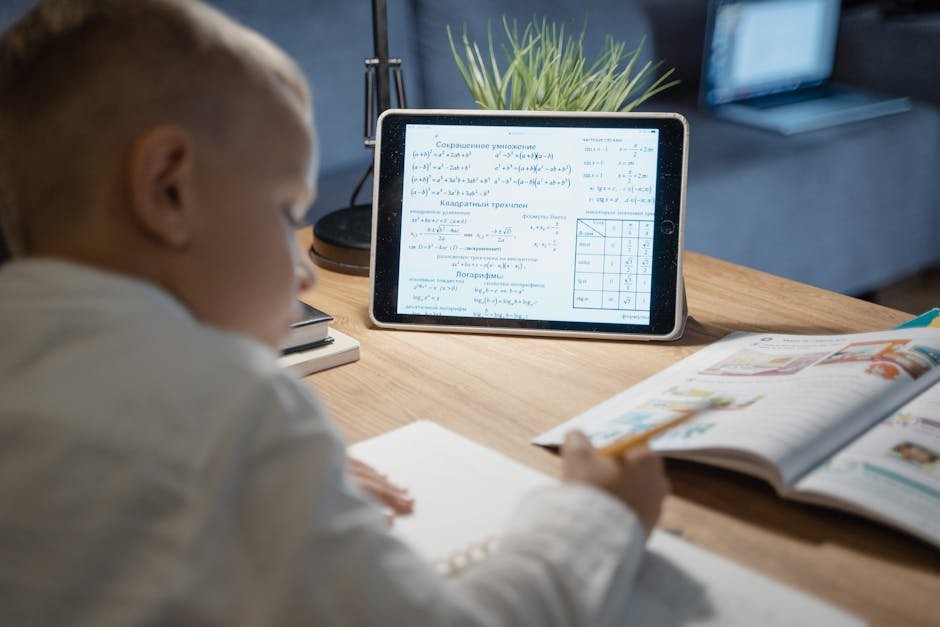
Understanding the Appeal of YouTube for Kids
In today's digital age, it is no surprise that children gravitate towards learning platforms like YouTube. With its vibrant visuals, catchy tunes, and engaging animations, YouTube offers a learning experience that feels more like entertainment than education. For many kids, this approach is a refreshing alternative to traditional methods like flashcards or rote memorization.Children are naturally drawn to content that captures their imagination. Videos that introduce multiplication tables through songs or animations can turn a daunting task into an enjoyable one. For instance, a child who is reluctant to engage with a worksheet might find it much easier to sit through a three-minute video that introduces the 7s table with a catchy tune and colorful visuals.
Setting the Stage for New Learning
Videos are particularly effective for introducing new tables. They serve as a gentle introduction before diving into more serious drills. A song or animation that sequences the numbers creates a friendly, non-intimidating first encounter with multiplication. For example, a video might use a story-based approach, showing characters counting objects in groups, which helps children visualize multiplication as repeated addition.
The Limitations of Passive Learning
Despite their appeal, videos present a significant limitation: they promote passive learning. Watching a video is not the same as engaging actively with the material. A child may become familiar with a song about the 7s, but that does not necessarily translate into fluency in multiplication facts, such as knowing "7 x 8" immediately.Fluency in math requires active recall, which involves retrieving each fact repeatedly until it becomes automatic. Videos encourage recognition, not the deeper memory recall necessary for true understanding. Recognition of a catchy song or animation does not equate to the ability to solve problems independently. To truly master multiplication, children need to practice actively, such as reciting times tables aloud or solving problems on paper.
Effective Uses of YouTube Videos
- Introducing a new table: A one-time watch can make a new set of numbers feel more familiar before drilling begins. For instance, a video that introduces the 8s table with a fun rap song can make initial exposure enjoyable.
- Skip-counting refreshers: Short, engaging songs can help reinforce sequences, such as the 6s or 7s, until they are mastered. Videos that feature characters skip-counting along a path or in a game format can keep children engaged.
- Conceptual understanding: Explainer videos that illustrate what multiplication means are beneficial for young learners. These videos might show real-world examples like sharing snacks equally among friends to demonstrate the concept of multiplication.
- Trick demonstration: Videos that show tricks like the 9s finger method or doubling tricks provide visual reinforcement. For example, a video might visually demonstrate how to use fingers to multiply by 9, making the process more intuitive.
- Motivational breaks: A fun video can serve as a reward after a focused practice session. This could be a humorous animation that incorporates multiplication facts into a storyline.
The YouTube Rabbit Hole: Staying Focused
One of the biggest pitfalls of using YouTube for learning is the potential for distraction. The autoplay feature can lead children down a rabbit hole of unrelated videos, diluting their focus and consuming valuable time. A child might start with good intentions, watching a 7s video, but end up spending 20 minutes on unrelated content.To mitigate this, parents and teachers can pre-select videos, ensure autoplay is off, and watch on a clean tab. It is also helpful to use videos as a transition into more focused practice, ensuring that they serve as a stepping stone rather than a destination. A good rule is to set a timer for video watching and follow up with a hands-on activity related to the multiplication table just learned.
Age-Appropriate Strategies for Learning Multiplication
Grades K-2: Laying the Foundation
In the early grades, children are just beginning to understand numbers and basic arithmetic. Introducing multiplication at this stage should be gentle and exploratory. Start with simple concepts that build number sense, such as grouping objects or using repeated addition.
- Use videos to introduce the idea of multiplication as grouping or repeated addition. For example, a video might show how three groups of four apples make twelve apples.
- Incorporate everyday activities, like counting toys or snacks, to illustrate the concept. Turn snack time into a math lesson by grouping items and counting total numbers.
- Encourage curiosity through games and playful challenges. Simple board games that involve counting moves can subtly introduce multiplication concepts.
Grades 3-4: Building Basic Multiplication Skills
By grades 3 and 4, students are ready to delve deeper into multiplication. This is a crucial time to move from conceptual understanding to skill-building. Videos can still play a role, but should be supplemented with active practice.
- Pair videos with hands-on activities, like using manipulatives or drawing arrays. Encourage children to draw arrays on graph paper to visualize multiplication problems.
- Introduce skip-counting songs to solidify sequences. These can be paired with clapping or stepping in place to integrate movement with learning.
- Start incorporating timed quizzes to build speed and accuracy. Use apps or printable worksheets to provide variety in practice.
Grades 5-6: Achieving Fluency and Confidence
As students enter grades 5 and 6, the goal is to achieve fluency and confidence in multiplication. This is the stage where retrieval practice is essential. While videos can still motivate, active recall should be the focus.
- Encourage regular practice with flashcards or apps designed for multiplication. Many apps offer customizable quizzes that adapt to a child's learning pace.
- Use videos as a reward after completing drills. Select videos that relate to math in real-world scenarios to maintain educational value.
- Foster a growth mindset by highlighting progress and celebrating mastery. Keep a chart of completed multiplication tables and reward milestones with small incentives.
Common Mistakes to Avoid
While YouTube offers a wealth of resources, there are common pitfalls that parents and educators should be wary of when using it for teaching multiplication. Here are some mistakes to avoid:
- Relying solely on videos: Videos should complement, not replace, active learning and practice. Balance screen time with activities that require active problem-solving.
- Allowing unrestricted access: Without guidance, children may get sidetracked by unrelated content. Regularly monitor video history to ensure productive viewing.
- Overlooking individual learning styles: Not all children respond well to video-based learning; tailor approaches to suit each child's needs. Some may benefit more from tactile learning tools or visual aids like charts and diagrams.
Actionable Tips for Parents and Teachers
- Curate a list of high-quality educational videos that align with learning goals. Seek videos with positive reviews and clear explanations tailored to your child's level.
- Set specific viewing times and durations to prevent excessive screen time. Consider a daily schedule where video learning precedes hands-on practice.
- Combine video watching with interactive activities or quizzes to reinforce learning. After watching a video, engage children with a related craft or math game.
- Monitor progress and adapt strategies based on what works best for your child or students. Regularly evaluate what methods are most effective and adjust accordingly.
For Special Situations: Adapting to Unique Needs
Test Anxiety
For children who experience test anxiety, using videos can create a low-pressure environment for initial learning. Transition gradually to more traditional methods as confidence builds. Consider role-playing test scenarios to reduce anxiety.
ADHD
Children with ADHD may benefit from the engaging and fast-paced nature of videos, but it's crucial to incorporate breaks and hands-on activities to maintain focus. Break learning sessions into short, manageable chunks with frequent breaks.
Gifted Learners
Gifted children may quickly grasp concepts presented in videos. Challenge them further with problem-solving exercises and opportunities to teach others. Encourage them to create their own videos explaining multiplication concepts to peers.
Dyscalculia
For children with dyscalculia, videos that use visual aids and real-life examples can be helpful. Pair these with individualized support and practice. Use multisensory techniques, such as physical objects or drawing, to reinforce learning.
Collaborating with Schools
Parents and teachers can work together to ensure a cohesive learning experience. Communicate regularly about the methods being used at home and in the classroom, and share resources that have proven effective. By aligning strategies, children receive consistent support across different environments. Attend parent-teacher meetings to discuss progress and any adjustments needed.
What the experts find
Research in educational psychology suggests that combining multimedia learning with active engagement results in better retention and understanding. According to studies, visual and auditory stimuli engage different parts of the brain, enhancing memory and comprehension. However, the key is to move beyond passive consumption to active participation, which solidifies learning.Studies also indicate that incorporating movement, such as clapping or dancing along with songs, can improve learning outcomes. The combination of music, movement, and visuals makes a powerful trio for memory retention, especially in young learners.
Talking to Your Child's Teacher
Open communication with your child's teacher can significantly enhance their learning experience. Teachers can provide insights into your child's progress and suggest additional resources or strategies. Schedule regular check-ins to discuss your child's development and any challenges they may face.Ask for specific feedback on areas needing improvement and collaborate on strategies to address them. Teachers can also suggest classroom techniques that can be replicated at home for a consistent learning approach.
A Weekly Routine for Multiplication Mastery
Establishing a routine can help children make progress in learning multiplication. Here's a sample weekly plan:
Monday: Introduction and Exploration
- Watch a video introducing a new multiplication table.
- Discuss the video and relate it to everyday activities.
- Use manipulatives to explore the concept.
Tuesday: Practice and Application
- Engage in hands-on activities, like drawing arrays.
- Incorporate skip-counting songs with movement.
- Complete a short worksheet to reinforce learning.
Wednesday: Active Recall
- Use flashcards for timed practice sessions.
- Encourage your child to teach you what they've learned.
- Play a math game that focuses on multiplication.
Thursday: Review and Reinforcement
- Watch a video that reviews the week's table.
- Conduct a quick oral quiz on multiplication facts.
- Celebrate progress with a small reward or praise.
Friday: Fun and Feedback
- Watch a motivational video related to math.
- Discuss what worked well during the week and any challenges.
- Plan next week's focus based on feedback and progress.
When to Seek Outside Help
If your child consistently struggles with multiplication despite various methods, it might be time to seek additional help. Signs that professional assistance is needed include persistent frustration, anxiety, or a significant gap between their abilities and grade-level expectations.Consider consulting a tutor or educational therapist who can provide personalized attention and tailored instruction. These professionals can assess your child's specific needs and develop a targeted intervention plan to address learning gaps.
Questions we hear a lot
How much screen time is appropriate for learning multiplication on YouTube?
It's best to limit screen time to 20-30 minutes per session to maintain focus and prevent fatigue. Balance video learning with active practice and hands-on activities.
What if my child prefers games over videos?
Integrate educational games that focus on multiplication. Many apps and online platforms offer engaging math games that reinforce multiplication skills through interactive play.
Are there specific YouTube channels recommended for learning multiplication?
Channels like "Multiplication Mashup" and "Mathantics" offer high-quality educational content tailored for young learners. It's always a good idea to preview content to ensure it aligns with your learning goals.
How can I make learning multiplication fun at home?
Incorporate multiplication into daily activities, like cooking or shopping. For example, ask your child to calculate the total number of eggs needed if each cake recipe requires three eggs and you're making four cakes.
Can older students benefit from YouTube videos for multiplication?
Yes, older students can use videos to refresh their skills or learn advanced multiplication techniques. Look for content that challenges them with problem-solving scenarios or real-world applications.
Looking at the Long-Term Perspective
Teaching multiplication is not just about immediate mastery; it is about building a foundation for future math success. By using a combination of videos, active practice, and tailored strategies, children can develop not only proficiency but also a love for learning that will serve them throughout their educational journey.Remember, the goal is to create lifelong learners who approach challenges with confidence and curiosity. By making learning engaging and personalized, we help children build the skills they need to succeed in math and beyond.
Wrapping Up: The Balanced Approach
While YouTube provides a dynamic and entertaining medium for introducing multiplication, it is essential to balance it with active learning strategies. By understanding the strengths and limitations of video content, parents and teachers can create a comprehensive learning experience that combines enjoyment with effective practice.Through thoughtful integration of videos, personalized strategies, and collaboration with schools, children can achieve fluency in multiplication and lay a strong foundation for their future mathematical endeavors. The journey to mastering multiplication can be as exciting as it is educational when approached with creativity and care.
