Veerle Dielen · Elementary teacher · February 8, 2026 · Tools & Resources
Math Toys for Times Tables: What Actually Helps
Understanding the Role of Math Toys in Learning
When you enter an educational toy store, the sheer variety of math toys can be overwhelming. Many of these toys are marketed with promises of boosting math skills and making learning fun. However, discerning which toys actually provide educational value, especially in teaching multiplication tables, can be a challenge. The key is to look beyond flashy designs and focus on features that genuinely support learning.Math toys can be an excellent supplement to traditional learning methods, but they should never replace them. Instead, they should enhance understanding and engagement, making abstract concepts more concrete and accessible for young learners. By carefully selecting the right toys, parents and teachers can provide children with tools that reinforce what they learn in the classroom.
Characteristics of Effective Math Toys
Active Engagement
The most effective math toys require children to actively participate rather than passively observe. This involvement ensures that children are not just watching but thinking, solving, and experimenting. For instance, a toy that necessitates building or arranging pieces in a specific order to solve a problem engages a child's critical thinking skills. Consider a game where children must stack blocks to create equations; this not only reinforces their understanding but also encourages problem-solving and spatial reasoning.
Fact Retrieval
One of the primary goals of using math toys for multiplication is to improve fact retrieval. Toys that incorporate recall of specific multiplication facts help children practice in a playful context. For example, a game that involves answering multiplication questions to progress in the game reinforces memorization. Digital apps that integrate flashcards with interactive elements can also offer an engaging way for children to practice and memorize times tables.
Quick Feedback
Immediate feedback is crucial in the learning process. Toys that provide instant feedback on whether an answer is correct help children learn from their mistakes and understand concepts more clearly. For instance, a puzzle where pieces only fit together if the correct answer is given provides this essential feedback. Interactive electronic toys that light up or make sounds when the correct answer is chosen can also captivate a child's interest while providing quick feedback.
Replayability
For a toy to be effective, it should be enjoyable enough for children to return to it repeatedly. Toys that become a regular part of playtime help reinforce learning through repetition. Games with varying levels of difficulty or new challenges keep children engaged over time. Board games that offer different scenarios or outcomes based on player choices can ensure that children remain interested and challenged.
Real Math, Not Just a Theme
A toy should have math as its core functionality rather than just a superficial theme. A math toy should involve actual problem-solving or practice, not just have numbers printed on it. For example, a toy that requires arranging numbers in a specific sequence to solve a problem is more effective than a toy that merely features numbers as decoration. Consider toys that require logical reasoning or sequence solving as part of the gameplay for a more profound educational impact.
Recommended Math Toy Categories
Counting Cubes and Linking Blocks
Counting cubes, also known as linking blocks, are a classic choice for visualizing multiplication. These cubes can be connected to form arrays, making them ideal for demonstrating concepts like equal groups. For example, building an array of 3 rows with 4 cubes each can help a child visualize and understand the problem 3 x 4 = 12. Teachers can use these in the classroom for group activities where students work together to construct different multiplication scenarios.
Abacus or Bead Frames
The abacus, particularly the 10-bead-per-row version, is a timeless tool for teaching times tables. Its tactile and visual nature makes it a favorite among educators. By sliding beads to represent multiplication problems, children can see and feel the concept of grouping, such as sliding 4 beads across 3 rows to solve 3 x 4. Parents can incorporate the abacus into daily routines, encouraging children to use it for simple calculations and enhancing their mental math skills.
Hundreds Boards
A hundreds board, whether wooden or magnetic, provides a visual representation of multiplication patterns. Covering multiples of a number with chips can help children recognize patterns, such as the pattern of 5s on the board, reinforcing their understanding of multiplication sequences. Teachers can transform this tool into a game, challenging students to find and cover as many multiples as possible in a set time.
Times Tables Card Games
Card games like Multiplication War offer a fun and interactive way to practice multiplication facts. These games function similarly to flashcards but add an element of competition and strategy. Children must engage with the math to succeed, enhancing their recall and quick thinking. Family game nights can include these card games to promote a fun learning environment at home.
Multiplication Puzzles
Multiplication puzzles are both tactile and self-checking, making them excellent for independent learning. These puzzles typically feature a multiplication question on one piece and the correct answer on another, ensuring that children can verify their work as they go. Puzzle competitions in classrooms can motivate students to practice more frequently and improve their speed and accuracy.
Dice and Tray Sets
Simple yet effective, dice and tray sets provide endless combinations for multiplication practice. By rolling dice and multiplying the numbers shown, children engage in quick mental math. This activity is not only affordable but also highly engaging, encouraging repeated practice. Incorporate them into classroom activities where students pair up to challenge each other in friendly competitions.
Ages and Stages: Tips for Different Grades
Grades K-2: Building Foundations
For children in kindergarten through second grade, focus on introducing basic concepts of multiplication through play. Use toys that emphasize counting and grouping, like counting cubes or an abacus. Games that require sorting or matching can lay the groundwork for understanding multiplication as repeated addition. Activities like grouping objects during snack time can also reinforce these concepts in a natural setting.
Grades 3-4: Strengthening Skills
In third and fourth grades, children begin to develop a more formal understanding of multiplication. This is an ideal time to introduce card games and puzzles that require the recall of multiplication facts. Encourage children to explore patterns on hundreds boards and use dice games to practice multiplication in a fun, low-pressure environment. Activities such as creating multiplication charts or designing their own board games can further deepen their understanding.
Grades 5-6: Mastery and Application
By fifth and sixth grade, students should be moving towards mastery of multiplication tables. Encourage the use of more complex games that integrate multiplication into broader math challenges. Consider introducing math-based board games that require strategic thinking and problem-solving, using multiplication as a tool. Projects like designing a simple budget or planning a small event can incorporate real-world math applications.
Common Mistakes to Avoid
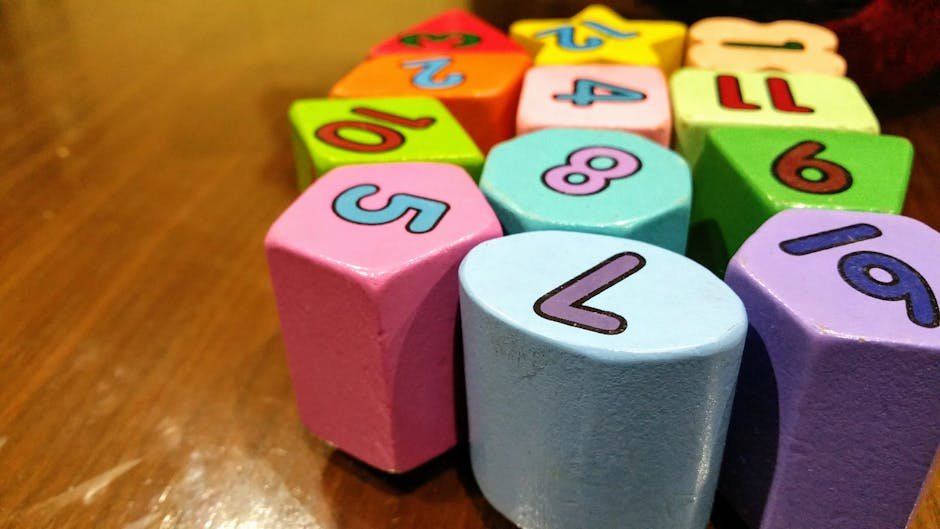
When selecting math toys, it's easy to be swayed by attractive packaging or trendy themes. However, some common pitfalls can reduce the effectiveness of these tools. Avoid toys that lack interactive or educational value, such as wooden numerals with no activity component. These items look appealing but do not enhance math fluency.Similarly, steer clear of battery-powered gadgets that function more like calculators than learning tools. Many of these products offer limited educational benefits and do not promote genuine understanding. Finally, be cautious of single-table toys that focus on only one set of multiplication facts. A well-rounded math toy should cover a range of facts, providing comprehensive practice. Ensure that toys encourage active learning and engagement rather than passive observation.
Actionable Tips for Parents and Teachers
- Observe your child's play patterns: Choose toys that align with their interests to keep them engaged. If a child loves animals, look for math games that incorporate animal themes.
- Set aside regular playtime: Make math practice a consistent part of your routine through structured play sessions. Allocate specific times during the week dedicated to math games and activities.
- Encourage group play: Use toys that allow for cooperative learning and interaction with peers or siblings. Organize playdates around educational games to foster social learning.
- Combine toys with traditional methods: Use toys to supplement homework and traditional study for a well-rounded approach. Reinforce lessons learned in school with related games and activities at home.
- Monitor progress: Keep track of which toys are most effective in improving your child's skills and understanding. Adjust the selection of toys based on their development and changing interests.
When circumstances differ
Addressing Test Anxiety
For children who experience test anxiety, math toys can provide a low-pressure environment to build confidence. Incorporate games that mimic test-like conditions, such as timed challenges, but with a playful twist. This can help reduce anxiety by familiarizing them with the format in a stress-free setting. Encourage them to view these games as practice rather than tests.
Supporting ADHD Learners
For children with ADHD, choose toys that offer short, engaging activities with clear, immediate rewards. Look for games that involve movement or tactile elements, which can help maintain their attention and interest. Break longer activities into smaller tasks to prevent overwhelm. Offer positive reinforcement and frequent breaks to keep them motivated.
Challenges of Dyscalculia
Children with dyscalculia may benefit from toys that emphasize visual and tactile learning. Tools like the abacus or multiplication puzzles can help them understand concepts through hands-on manipulation, providing alternative pathways to understanding. Use color-coded materials to aid in distinguishing different numbers and operations.
Engaging Gifted Learners
Gifted learners may require more challenging activities to keep them engaged. Introduce advanced math games that integrate multiplication with other math concepts, encouraging them to apply their skills in complex scenarios. Consider online platforms that offer progressively challenging math problems and puzzles to stimulate their curiosity and intellect.
Working with Schools
Collaboration with your child's school can enhance the effectiveness of math toys. Communicate with teachers to understand the specific areas where your child may need additional support. Teachers can also recommend toys or activities that align with the curriculum, ensuring consistency between home and school. Regular discussions with teachers can provide insights into your child's progress and areas for improvement.Consider volunteering or attending workshops that focus on math education. This involvement can provide insights into effective teaching strategies and help you support your child's learning journey more effectively. Engaging with the school's community can also open up opportunities for resource sharing and collaborative learning experiences.
Findings worth noting
Research supports the use of educational toys as effective tools for learning math. Studies have shown that math toys can improve problem-solving skills, increase engagement, and enhance understanding of complex concepts. According to educational psychologists, toys that promote active learning and provide immediate feedback can significantly impact a child's ability to retain information.The American Educational Research Association highlights that integrating play into learning can lead to improved academic outcomes. When children are engaged in play, they are more likely to experiment and explore, leading to deeper understanding and retention of math concepts. This approach aligns with constructivist theories, where children build knowledge through hands-on experiences.
Your week of math practice
Monday: Introduction and Exploration
Start the week by introducing a new math toy or revisiting a favorite. Allow your child to explore the toy freely, encouraging them to experiment with different ways to play and learn. This session should be relaxed, focusing on discovery and curiosity.
Wednesday: Focused Practice
Use mid-week sessions for focused practice. Choose a toy or game that targets specific multiplication facts or concepts your child is working on. Spend about 20-30 minutes in a dedicated math play session, guiding them through challenges and offering support as needed.
Friday: Family Game Night
Incorporate math toys into a family game night. Select games that everyone can participate in, allowing your child to showcase their skills and enjoy friendly competition. This not only reinforces learning but also strengthens family bonds and encourages teamwork.
Weekend: Real-World Application
During the weekend, look for opportunities to apply math skills in real-world contexts. Whether baking, shopping, or planning an outing, involve your child in activities that require multiplication. Discuss how the math toys they use relate to these everyday tasks, reinforcing the practical application of their skills.
Talking to Your Child's Teacher
Maintaining open communication with your child's teacher is crucial for supporting their math learning journey. Regularly check in to discuss your child's progress, strengths, and areas for improvement. Ask for recommendations on specific toys or activities that could support their learning at home.Teachers can also provide insights into classroom dynamics and how your child interacts with math concepts in a group setting. This information can guide your choice of toys and activities, ensuring they complement the school curriculum and address any gaps in understanding.
When to Seek Outside Help
If your child struggles significantly with multiplication despite consistent practice and use of educational toys, it may be time to seek outside help. Consider reaching out to a math tutor or educational specialist who can offer personalized instruction and strategies tailored to your child's needs.Look for tutors who use a variety of teaching methods, including manipulatives and interactive activities, to engage your child and support their learning style. Collaborate with the tutor and your child's teacher to create a cohesive support system, ensuring that all efforts align with their educational goals.
Reader questions
How do I know if a math toy is effective?
Look for toys that engage your child actively, offer immediate feedback, and encourage repeated play. Effective toys should integrate math into the core of their functionality rather than as a superficial theme.
Can digital apps be considered math toys?
Yes, many digital apps designed for math learning can be considered math toys, especially those that involve interactive elements, gamification, and immediate feedback. Ensure the app is age-appropriate and aligns with educational goals.
How often should my child use math toys?
Incorporate math toys into regular play sessions, ideally 2-3 times a week, to reinforce learning without causing burnout. Balance toy play with traditional study and real-world applications for a well-rounded approach.
What if my child loses interest in math toys?
Rotate toys regularly to keep things fresh and engaging. Involve your child in choosing new toys or games that align with their current interests. Sometimes, introducing a new challenge or setting goals can reignite interest.
Are expensive math toys better?
Not necessarily. The effectiveness of a toy lies in its ability to engage and teach, not its price. Many affordable toys provide excellent educational value. Focus on the toy's features and how they meet your child's learning needs.
How can I make math toys more effective?
Combine their use with traditional teaching methods, involve them in group activities, and encourage real-world applications. Monitor progress and adjust the selection of toys based on your child's development and interests.
Final Thoughts on Math Toys
Math toys, when chosen and used wisely, can be powerful allies in teaching multiplication tables. They provide a bridge between abstract concepts and tangible understanding, making math accessible and enjoyable for children. By selecting toys that engage, challenge, and provide feedback, parents and teachers can create a supportive environment for learning.Ultimately, the goal is to make math a fun and integral part of everyday life. With the right tools and strategies, children can develop the confidence and skills they need to succeed in math and beyond. Embrace the journey, and watch as your child's love for learning grows.
