
Classroom Differentiation for Times Tables: Meeting Every Level
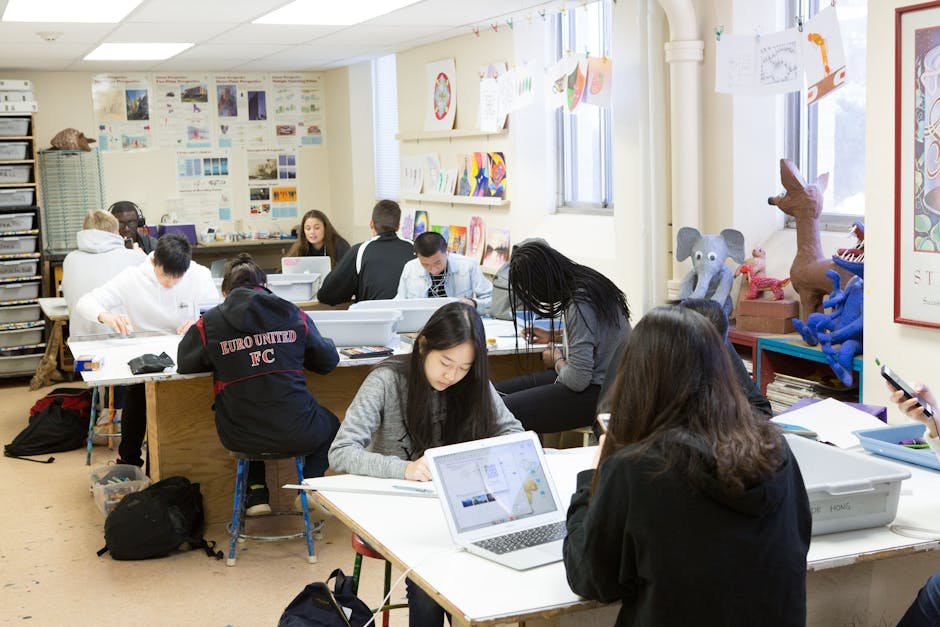
In a typical 3rd or 4th grade classroom in October, you can find the full range: students who already know the 7s, students still counting the 2s on their fingers, and everyone in between. Teaching one table to the whole class at one speed bores the first group and loses the last.
For classroom teachers and intervention staff, what follows is a practical way to plan times tables practice so every level gets work that fits, without writing separate lessons for each student.
Why One Speed Leaves Some Students Out
The gap in multiplication facts can be wide because the facts build on everything before them. Students who are shaky on addition, or who never quite understood equal groups in 2nd grade, start multiplication already behind. Meanwhile, some classmates have practiced the tables at home for a year.
Whole-class drill treats these students as if they were in the same place. The fast group finishes the 3s worksheet in two minutes and waits. The students who are struggling spend the same two minutes guessing, which gives them practice at getting facts wrong.
The goal at the close of 3rd grade, in states that follow the Common Core, is the same for everyone: fluent multiplication within 100, with the single-digit facts known from memory. Differentiation does not lower that goal for anyone. It changes the route and the speed so each student can actually reach it.
Finding Out Where Each Student Is
Differentiation starts with knowing who needs what, and for multiplication facts that information is quick to gather. A short, untimed check at the start of a unit is enough to sort a class. A few options:
- a strip of ten shuffled facts per table, working up from the 2s and stopping at the first table with more than a couple of misses
- a one-on-one minute with each student, asking five facts out loud and noting which ones come quickly and which are counted
- a page of facts where students circle the ones they are sure of and star the ones they are guessing
- the star record from an online practice tool, if the class already uses one
Keep the check untimed. Its job is to show which facts a student knows, not how quickly they can write. On a timed sheet, the slow writer who knows a fact and the classmate who does not know it look the same, and the plan for those two is very different.
Repeat the check every few weeks. Students move at different speeds, so the picture from September is out of date by November.
Four Things a Teacher Can Vary
A well-known framework for differentiated instruction, taught in professional development courses from the education association ASCD, names four parts of a lesson that a teacher can adjust: the content, the process, the product, and the learning environment. The choices are guided by what the teacher knows about each student's readiness, interests, and ways of learning. Applied to times tables, each one becomes concrete.
Content: Which Facts
The learning goal stays the same for everyone. What differs is where each student enters it. One student works on the 3s while another works on the 8s. Both are learning multiplication facts, and both are working on the next table they need.
The same framework suggests scaffolding for students who need it, such as teaching the missing building blocks first, and letting advanced students move ahead. For multiplication, that can mean a few lessons on equal groups and arrays for students who do not yet understand what 4 × 3 means, before they start memorizing anything.
For students with an individualized education program, the framework also allows the content itself to change, following what the IEP says. In that case, the classroom teacher and the special education teacher decide together which facts come first and how mastery will be checked, so the student is not getting two different plans.
Process: How Students Practice
Process is how students make sense of the facts and practice them. Here the framework is clear that students will work at different speeds, with different kinds of support, in different groupings. Some need to build each fact with counters. Others are ready to practice from memory with a partner.
In practice, a single block of fact time can include three activities running side by side: one group drawing arrays for the 4s, one group quizzing each other with cards on the 6s, and a few students practicing mixed facts on their own. The teacher circulates, spending more time with the first group.
Product: How Students Show What They Know
Products are the way students show what they have learned. A written quiz is one option, but not the only one. A student might explain a fact by drawing it, solve a word problem that uses it, or answer facts out loud to the teacher.
The same knowledge can be checked in more than one format. A student with slow handwriting can show mastery out loud. Someone who freezes when asked aloud can show it on paper. What matters is that every format checks the same thing: does the student know the fact, in mixed order, without counting?
Environment: Where and With Whom
The learning environment covers the space, the mood, and who students work with. For fact practice, that includes a quiet corner for students who lose focus in a noisy room and a clear signal that working on the 2s is as normal as working on the 9s.
Students notice who is on which table. A room where the posted chart shows everyone's level invites comparison. A room where each student tracks progress privately, in a folder or on a personal page, makes it easier to work at the right level without feeling watched.
Flexible Groups That Keep Changing
Grouping by level is a familiar way to differentiate fact practice, and it works well as long as the groups do not harden. A student placed in the "2s and 5s" group in September should not still be there in February because nobody checked.
Build groups from the latest check and rebuild them every few weeks. Name them by the table they are working on, not by color or animal names that students quickly decode as a ranking. Once the 4s are mastered, that student simply joins the 6s group the next Monday.
Mix the groups up for other activities. Partner games, word problem work, and whole-class lessons on what multiplication means can all use mixed-level pairs. Students on different tables can still quiz each other, since a partner only needs an answer key.
A predictable routine makes all of this easier to manage. A weekly times tables plan where every student follows the same steps each day, with their own table in their own folder, lets several levels run at once without a separate lesson for each. Rotating differentiated math centers are another way to organize the same idea.
Where Timed Practice Fits
Timed fact practice has a place in a differentiated classroom, but a narrow one. A federal practice guide on math intervention for struggling elementary students rated the evidence as strong, based on 27 studies, for including brief timed activities to build fluency. The guide describes these as short, usually one to five minutes, and as one part of a broader intervention.
The same guide sets clear limits. Timed activities come after students have worked on a concept over many lessons, and they should not be used to introduce new facts. The panel also cautions against simply handing out timed worksheets or putting students on a computer program without supporting their learning along the way.
For differentiation, this means timing belongs to each student's mastered tables, not the class's current table. If a student has just learned the 6s, a two-minute timed round on the 2s, 3s, and 4s makes sense. Timing the 6s that same week would only measure guessing.
It also means timed work is individual. Each student tries to beat their own score from last week, on their own facts. A class race where everyone answers the same sheet brings back the problem differentiation was meant to solve.
Stretching Students Who Are Ahead
Students who already know their facts need more than extra worksheets. Faster finishing should lead to harder thinking, not just more of the same.
One option is going further in the tables. The Common Core fact goal ends with single-digit factors, yet plenty of classrooms and families go on to the 11s and 12s. Another is depth. Ask advanced students to write word problems for a given fact, to explain why 6 × 8 and 8 × 6 have the same answer using an array, or to find every pair of factors that makes 36.
Multi-step problems work well too. Students who know the facts can figure out how many chairs are needed for 7 rows of 8 when 9 are already set out, which means 7 × 8 = 56 and then 56 − 9 = 47. The facts become a tool inside a bigger problem, which is where they are headed in 4th and 5th grade anyway.
A clear long-range goal helps these students too. The Silver certificate asks for 40 questions across the 1 through 10 tables in 8 minutes, a target that keeps strong students working while the rest of the class catches up on earlier tables.
Tracking Progress Without Drowning in Data
Differentiation only works if the teacher knows, week to week, who is on which table. That record does not need to be elaborate. A class list with each student's current table and the date they started it answers most questions.
Online practice can carry some of the load. When students practice on Times Tables Trainer with a class login, the dashboard shows the teacher the stars earned by each student, table by table. If the first star on the 7s is there but the second, mixed-order one is missing, that student is still learning the table, and the teacher can see it at a glance.
Practice done without a class or family password stays only in that device's browser. That is fine for practice at home but less useful in a classroom with shared devices, which is why a class login makes sense for school use.
Whatever the system, look at it on a set day each week, such as Friday afternoon. Update the groups, pick the two or three students who need a check-in, and move on. A short look once a week keeps every student working on the right facts.