
Times Tables as a Game: How to Make Practice Exciting
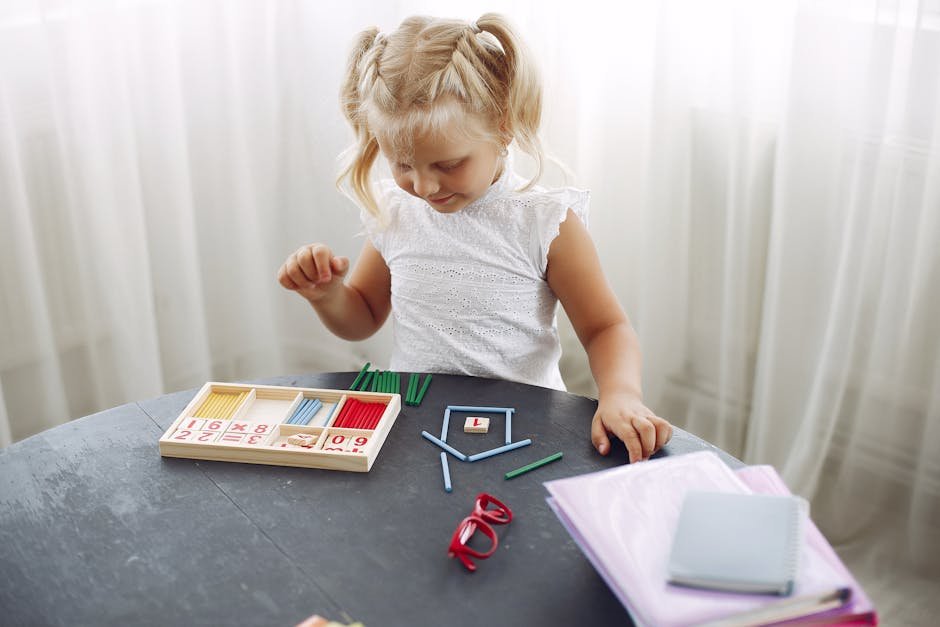
The same ten flashcards that got a sigh on Monday can get a grin on Tuesday if there is a score to beat, a team to play for, or a die to roll. The hard part is keeping the rivalry light enough that whoever loses still wants to play again tomorrow.
For families and teachers who want that energy without the pressure, we cover three kinds of friendly competition that fit around any practice, and the signs that a contest has gone too far.
What Studies Found About Rivalry in Math Games
Research on competition in learning games is thinner than the enthusiasm for it, and each study looked at a particular group of students. The details are worth keeping straight before borrowing the conclusions.
In a 2007 study, 125 fifth graders were placed in a team tournament format, in one-on-one competitive play, or in a group with no math games. Playing games led to better math performance than drill, and the cooperative team format did the most for how students felt about math.
A 2008 study by the same lead researcher had 160 fifth graders play computer math games in class, in teams, against each other, alone, or not at all. How the play was organized made no significant difference to math test scores. Once again, the team format produced the most positive attitudes toward math.
A 2013 study worked with 58 students from urban middle schools and a game built to make arithmetic automatic. Compared with playing alone, competing raised learning inside the game, and both competing and collaborating made the game more interesting and enjoyable. Fluency measured outside the game improved, but by about the same amount in every group.
Those studies involved fifth graders and middle schoolers, mostly with computer games, and none tested a parent and child racing through flashcards at home. Taken together, they suggest that a contest can make practice more enjoyable, that teams may be kinder to attitudes than head-to-head play, and that the learning still comes from the practice inside the game.
That last point shapes everything below. A game is a wrapper. The facts your child answers inside it are what build recall, so any game worth keeping has to put plenty of facts in front of the player.
Settle what "friendly" means before you start. In a friendly contest the stakes are small, a loss is over in a minute, and every player has a real chance of winning the next round. If one of those three is missing, the format needs adjusting, and the adjustments come next.
Racing Against Your Own Last Score
The gentlest rival is your child's own earlier self. Nobody else has to lose, and the contest is always fair, because the same player set both scores.
A Personal Record Card
Pick a short set of facts, perhaps eight from the 7s mixed with a few your child already knows well. After each round, write the number correct and the date on an index card. The game is simple: match the card or beat it.
Count correct answers only. A record that can be broken by guessing fast rewards the wrong thing. Getting 9 out of 10 after 7 out of 10 last time is a win of two facts, whatever the clock said, and it is worth saying so out loud.
Change the set when the record stops moving because every answer is right. A card that has said 10 out of 10 three days running has done its job, and a fresh set gives the game a new target.
Keep one card per table or per set of facts, so an old record never has to be compared with a harder new set. Seeing "7s: 6, then 8, then 9" on one card and "8s: 4" on a fresh one helps a child understand that the second number is a starting point, not a failure.
Streaks Instead of Totals
Some kids care more about a streak than a score. Count how many facts in a row come out right and post the longest streak on the fridge. A streak rewards care by its nature, because one rushed answer ends it.
Streaks also suit children who get discouraged by a long session. A streak of six on a hard table is a real achievement, and it can be earned in two minutes.
Stars as a Record That Fills Itself In
Progress your child can see works like a record card that keeps itself. The 8 times table on the site, like every other table there, has five stars that open one after another, so earning the next star is a contest against nobody but yourself.
Teams That Win or Lose Together
A team turns one player's slow answer into a shared problem instead of a public loss. That is the main appeal of a team format, and it lines up with the attitude findings in the fifth-grade studies.
Pooled Points
Split the class or the family into two teams. Every correct answer adds a point to the team total, no matter who gives it. Mix confident and less confident players on each side so that no team ends up with all the quick answerers.
Let teammates help each other in a fixed way, for example by drawing the fact as equal groups for a stuck partner rather than whispering the answer. The point still counts, and the stuck player has worked the fact out instead of hearing it.
At home with one child, the team can be your child and you against a target: "Last night we got 23 right together. Can we get 25?" You answer some facts too, and your child checks your answers, which is practice of its own.
Tournament Rounds
The team tournament used in the fifth-grade studies follows an older classroom model in which students sit on small teams and the teams compete in regular tournaments built around learning games. Players earn points for their team in short rounds of questions.
You can take one idea from it without the full setup. Seat players of similar skill against each other for each round, then add every player's points to their home team. A student still learning the 6s, competing against classmates at the same stage, can bring back as many points as the fastest student in the room.
The Class Against Its Own Record
A whole class can act as one team. Keep a running count of correct answers in warm-ups over a week and try to beat last week's count. Every student adds to the same number, and no one's score is ever shown on its own.
At the end of the week, celebrate the class number and nothing else. If the total went down, treat it as information about the week, such as a shortened schedule or a harder set of facts, rather than as anyone's fault.
Letting Luck Decide Part of the Score
Chance is the great equalizer. When dice or cards decide part of the outcome, a slower player can still win a round, and a fast player can never be quite sure of winning. That uncertainty keeps both of them playing.
Rolling for Points
After each correct answer, roll a die and score that many points. A wrong answer scores nothing, so every fact still counts, but the total depends partly on the roll. A round where your child answers fewer facts than you but rolls better is a round your child can win.
Mystery Facts
Write the facts for the day on folded slips and secretly mark one as a double-points fact. Nobody knows which slip it is until it is opened. The practice is exactly what it would have been, and the suspense is new.
Drawing Cards for the Question
Instead of choosing which fact to ask, take a deck of playing cards with the face cards removed, draw two, and multiply them. The largest possible fact is 10 × 10. Neither player gets to pick an easy question for themselves, so the game feels fair to both, and the facts come in random order.
Rolling for the Table
Let a die choose what to practice. Assign a table or a set of facts to each number, with the hardest set on two numbers so it comes up more often, then roll before each short round. The child never knows which facts are next, which keeps attention up and mixes the practice.
Chance works well for siblings who are far apart in skill. Give each child their own set of facts, and let the die or the cards decide the points. The older child cannot simply outrun the younger one.
Signs a Contest Has Turned Stressful
Competition helps only while everyone still wants to play. Watch the player who just lost more closely than the one who won, because the loser's reaction tells you whether the game is working.
Warning signs include guessing wildly to keep up, refusing to start the next round, tears after losing, or a comment like "she's always better." A quieter sign is a child who stops attempting the hard facts and only answers the ones they are sure of.
When you notice these signs, change the format instead of ending practice. Move from head-to-head play to a team, or from a team back to a personal record. Add more luck. Remove any time limit. A game one child keeps losing is not the right game for that child.
Siblings need extra care. A younger child playing an older one on the same facts will lose most rounds, which teaches only that the older one is faster. Separate fact sets, a shared team score, or a game that is mostly luck all fix that.
Your own reaction matters as much as the format. Lose cheerfully when you lose, say what the winner did well, and move straight to the next round. Children tend to pick up the tone of the adult running the game, and a parent who shrugs off a loss makes losing feel ordinary.
Keep prizes small or skip them. The fun of beating a record or rolling a six is usually enough, and a big prize turns a friendly game into something a child can be anxious about losing.
Bringing the Game Back to the Facts
After a game, take a minute to note which facts were missed or slow. Those become the facts for the next round, whatever the game is. That small habit keeps the contest pointed at the facts that still need work instead of the ones your child already enjoys answering.
Not every session needs a contest, and some children prefer quiet practice. Treat competition as one tool for days when energy is low, not as the only way to practice. When winning starts to matter more than the facts, put the game away for a while.
A bigger goal can work like a season-long challenge. The bronze certificate mixes the tables 1 through 5 and the 10s, and kids can aim for it the way they would aim for a high score in any game, after practicing those tables at their own pace.