
One Routine, Two Kids: Practicing With Siblings at Different Levels
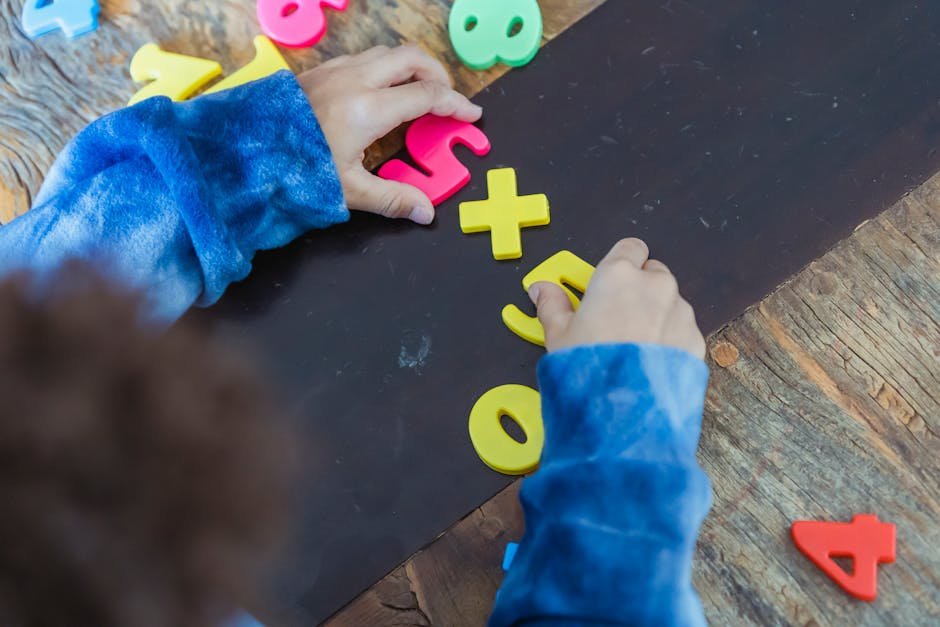
With two kids in elementary school, math practice can eat the whole evening: one session for the second grader, another for the fourth grader, and a parent running back and forth between them. Combining them into one practice time sounds efficient, until the younger one notices the older one is doing harder problems.
It can still work, with a little setup. One routine for two children at different levels lets each one work on what they need, as long as nobody ends up keeping score.
Why One Shared Practice Time Is Worth the Effort
The biggest benefit is simple: one routine is easier to keep than two. Practice that happens at the same time every day needs less negotiating, and a single slot after snack or before dinner is easier to protect than two separate ones.
Kids also take cues from each other. A younger child who sees an older sibling sit down with math every afternoon learns that this is just what happens in your house. An older child who knows a younger one is watching often behaves a little more maturely about it.
Pick a time when both kids are usually home and neither is starving or worn out: after a snack, before screens, or right before dinner prep. Linking practice to a fixed part of the afternoon, like the end of snack, makes it easier to keep than a time on the clock.
And a shared time is good for you. Instead of two sessions of fifteen minutes each, you supervise one session of fifteen minutes, moving between two kids who are each working on their own task.
The Comparison Problem
Somewhere in the early grades, many kids start judging how they are doing by looking at other people. In a family, the nearest other person is often a brother or sister. A younger child sees the older one doing 8 × 7 and concludes, "I'm bad at math," even though the older one is two grades ahead.
Parents compare too, often without meaning to. A 2015 study of nearly 400 teenage siblings and their parents found that parents usually believed the older child was the stronger student, even though on average the siblings' grades were about the same. The sibling seen as smarter went on to do better the following year.
The study was about teens, not young kids, but it is a good reminder that our private comparisons can leak out and shape what children believe about themselves.
Different does not have to feel unfair. In a study of teenage siblings, being treated differently by parents went along with jealousy and lower self-esteem, but not when the teens felt the difference was fair. The researchers suggest explaining the reasons. With younger kids that can be as simple as "You each get the practice that fits you right now."
Comparison does not only hurt the younger child. An older sibling who is struggling with the 7s may feel embarrassed if a younger brother breezes through the 2s and announces it to everyone. Each child needs to feel that their own work is the point, not their place in the family ranking.
The goal of the setup below is to make comparison hard. Each child has a different task, a separate record, and their own small win at the end. Nobody's score is visible to the other.
Setting Up the Space and the Tasks
Seat the kids where they can work without watching each other's papers. Opposite ends of the kitchen table work, or one at the table and one at the counter. If they share a laptop or tablet, take turns rather than sitting side by side at the same screen.
Give each child a short list of what they are working on this week, written on an index card. A second grader's card might say "count by 2s, 5s, and 10s; draw 3 groups of 2 and 4 groups of 5 and add them up." A fourth grader's card might say "mixed 7s and 8s; the facts I missed on Friday's quiz."
The cards are private, and each child checks off their own items. Keeping them out of sight is half the point.
Plan for different lengths: a younger child may need eight minutes and an older child twelve, and that is fine.
The younger one can move on to a quiet activity, like reading or drawing, while the older one finishes, as long as that activity is not more fun than math practice looks from across the room.
One Afternoon, Step by Step
A fifteen-minute session with a second grader and a fourth grader could run like this. The times are rough; what matters is the order.
Minutes 0 to 2: A Shared Warm-Up
Start together with something both kids can do at their own level. Count around the table by 10s, then by 5s, with each person saying the next number. The younger child gets practice with skip counting, and the older one gets a quick, easy win. Keep it moving and laugh at mistakes, including yours.
Minutes 2 to 10: Separate Practice
Each child turns to their own card. The second grader draws 4 groups of 5 dots and writes 5 + 5 + 5 + 5 = 20, then tries 3 groups of 5. The fourth grader works through a mixed round of the 7s and 8s, writing down any fact that takes too long.
You move between them. Spend most of your attention on whoever is newer to the material, which is usually the younger child, but check in with the older one at least once. A quiet "show me the ones you wrote down" is enough.
The adult's job in this stretch is mostly to be available, not to teach. Answer a quick question, point to the drawing when a fact is wrong, and resist the urge to correct the older child in front of the younger one. Save longer explanations for a moment when the other child is not listening.
Minutes 10 to 13: One Win Each
Each child picks one thing they did well today and tells you about it, separately. The younger one might show the drawing of 4 groups of 5. The older one might say that 8 × 7 = 56 came quickly for the first time. Do not compare the two wins; just notice each one.
Minutes 13 to 15: Wrap-Up
Each child marks their own card. Put the cards away somewhere private, like a folder for each child. Then the routine is over, and the next thing on the schedule starts.
When Ages or Moods Clash
Sometimes the younger child wants to do the "big kid" problems. Let them try one, without fuss, and then hand back their own card. Curiosity is good; it only becomes a problem if the younger child feels behind because of it.
Sometimes the older child finishes early and starts commenting on the younger one's work. Give them a job that keeps them busy, such as writing three word problems for you to solve with their table. That keeps their focus on their own practice.
When one child is having a bad day, let them stop early without the other child noticing too much. A quiet "let's finish tomorrow" works better than a showdown in front of a sibling.
If the two schedules really do not fit, with one child at practice and the other at a club, a shared time on three days of the week is still better than no shared time at all. Fill the other days with a short session for whoever is home.
Sibling Practice Questions
What If One Child Needs Much More Help?
Then that child gets more of your time, and that is fair. Give the more independent child work they can do alone, like a written list of facts to quiz themselves on, and spend the middle of the session beside the one who needs you. Switch the balance on days when the older child has a test coming up.
What If the Younger One Is Faster at Math?
It happens, and it can be tough for the older child. Keep their tasks completely different, and avoid any shared race or quiz. Praise the older child's effort and progress on their own terms, and make sure they have areas outside math where they are clearly the experienced one.
Should They Ever Practice the Same Table?
Only when both are truly at the same level, as with twins or kids a year apart in the same grade. Even then, keep their records separate. Two kids can work on the 6s at the same table without either one knowing the other's score.
Can Two Kids Use One Account on Times Tables Trainer?
Each child should have their own progress. With a free family account, you add each child's name, and each one logs in with the family password and picks their own name. The parent page then shows the stars per table for each child separately.
Without a login, progress is stored in the browser, so two kids on one device would share it.
What About Homeschooling More Than One Grade?
Homeschool families face this every day, and the experienced ones tend to say the same things: practice the same subject at the same time, give each child work at their own level, rotate between them, and teach the kids what to do when they are stuck and you are busy with the other one.
A simple rule like "circle it, skip it, and come back" keeps a stuck child from sitting idle or interrupting.
A shared routine does not have to be perfect to work. Two kids, one time slot, and separate tasks will carry you through most weeks. For the facts themselves, the 2 times table page is a good fit for a younger child, and an older one can pick the table on their card.