Veerle Dielen · Elementary teacher · January 18, 2026 · Tools & Resources
Math Posters and Visual Aids for Home
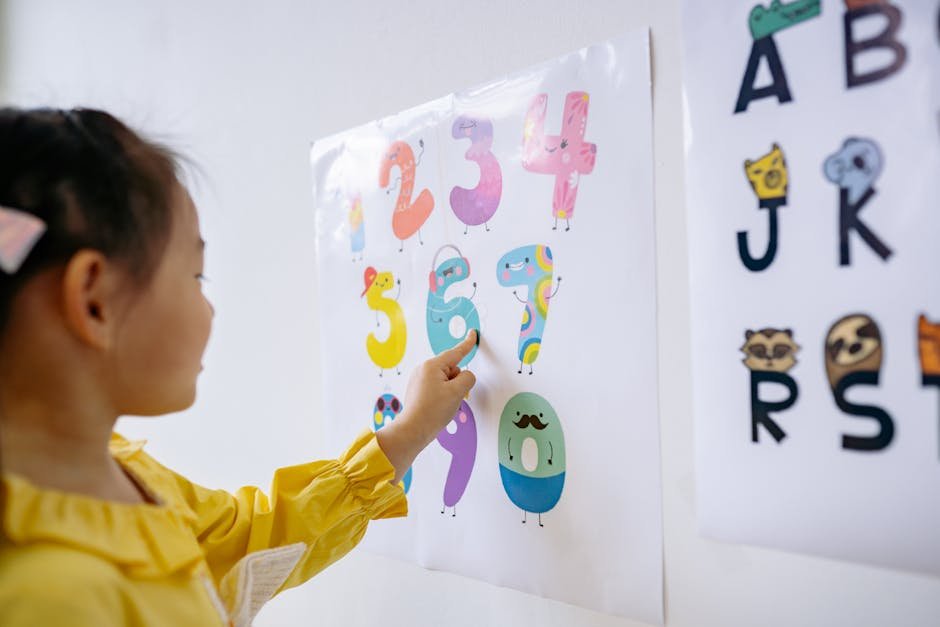
A few well-chosen math posters around the house can significantly boost math fluency through incidental exposure. When kids glance at a multiplication chart hundreds of times across a school year, each glance acts as a tiny review session. In this expanded guide, we’ll explore the most effective math posters to use, where to place them, and how to integrate them into your child’s learning environment effectively.
The Importance of Math Posters in Learning
Math posters are more than just decorations; they are powerful tools that can enhance learning by providing constant visual references. When used correctly, these posters can help children internalize math concepts without even realizing it. This method of learning is particularly effective because it relies on repetition and visual memory, which are crucial components in the mastery of mathematics.
Visual Learning Benefits
Studies have shown that visual learning aids can significantly improve a child’s ability to understand and retain information. Posters and charts provide a visual context that helps children make connections more easily. For example, a multiplication chart with color-coded rows can help a child quickly identify patterns and relationships between numbers, reinforcing what they learn in class. Using bright colors and engaging images further captures attention, making the learning process enjoyable.
Continuous Exposure
One of the key advantages of math posters is that they offer continuous exposure. Unlike a textbook that is only opened during study time, posters remain visible throughout the day, allowing for frequent, informal review. This constant exposure helps solidify math concepts over time, making it easier for children to recall information when needed. For instance, the repeated sight of a fractions chart can make it easier for students to grasp concepts during formal lessons.
Posters Worth Hanging
Not all math posters are created equal. Some provide more value than others, depending on your child’s age and learning needs. Here’s a list of must-have posters that can make a real difference in your child’s mathematical journey.
- 10x10 Multiplication Chart: This is arguably the most useful poster. A color-coded chart with big print helps children recognize multiplication patterns and memorize the times tables with ease.
- Number Line: Depending on your child’s age, choose a number line that ranges from 0-100 or 0-200. It’s especially beneficial for younger kids who are just beginning to understand numbers and their sequences.
- Fractions Chart: Displaying common fractions visually (such as 1/2, 1/3, 1/4, 1/8), this chart aids in understanding the concept of parts of a whole, which is foundational in math.
- US Measurement Conversions: Having a chart that shows conversions between cups, tablespoons, ounces, and pounds can be incredibly useful, especially during homework involving measurement problems.
- Times Tables Square Numbers Diagonal: Demonstrates the visual pattern of square numbers like 1, 4, 9, 16, 25, helping children grasp the concept of squaring numbers.
Where to Put Them
The placement of math posters is crucial to their effectiveness. They should be located in areas where they will be seen frequently, allowing for passive learning to occur.
The Kitchen
The kitchen is a high-traffic area where children spend a lot of time, especially during meal preparation and family dinners. Placing a multiplication chart by the kitchen table ensures that it gets seen multiple times a day. This constant exposure helps reinforce learning through repeated viewing. You might also discuss math problems related to cooking, such as doubling a recipe, which can make the poster's information more applicable.
The Bathroom
While it might seem unconventional, the bathroom is another excellent location for math posters. Children often spend idle time here, and a fractions chart can become a familiar sight. Over time, children will memorize these fractions without even realizing it. You can even turn it into a game, asking them questions or having them recite what they've learned while brushing their teeth.
The Bedroom
The bedroom is a personal space where children often unwind. Placing math posters near their study desk or bed can help reinforce math concepts as part of their daily routine. It can be particularly helpful to have a number line or a measurement conversions chart here for quick reference during homework sessions. Encourage your child to point out or explain parts of the poster to you as a way to reinforce their understanding.
What to Skip
Not all math posters are beneficial. Some can be overwhelming and counterproductive. Here’s what to avoid when selecting math posters for your home.
Cluttered "Everything Math" Posters: These are often filled with too much information, such as 20 charts on one sheet. Instead of aiding learning, they can confuse and overwhelm your child. Opt for 3-4 clean, focused posters instead of one cluttered megaposter. Choose posters that break down information into digestible parts, allowing your child to focus on one concept at a time.
Age-Specific Tips for Using Math Posters
Different age groups have different learning needs and abilities. Tailoring your approach can make math posters more effective for your child.
Grades K-2
At this stage, children are just beginning to understand basic math concepts. Simple, colorful posters like number lines and basic addition or subtraction charts can be very effective. Keep the content straightforward and engaging to capture their interest and encourage exploration. Use posters with plenty of illustrations to help them associate numbers with objects.
Grades 3-4
Children in this age group are ready to tackle more complex math concepts like multiplication and division. A 10x10 multiplication chart becomes particularly useful here. Encourage children to look for patterns and practice times tables regularly. You might introduce simple fractions posters to begin familiarizing them with the concept of parts of a whole.
Grades 5-6
As children progress, they begin to encounter fractions, decimals, and more advanced multiplication. Posters showing fraction equivalencies and square numbers can help them visualize these concepts, making abstract ideas more tangible and easier to understand. Challenge them with posters that introduce basic algebraic concepts or geometry to spark interest in upcoming math topics.
Common Mistakes to Avoid
When integrating math posters into your child's learning environment, avoid these common pitfalls that can hinder rather than help your child’s math learning journey.
Overloading with Information: Too much information on one poster can be overwhelming. Focus on one concept per poster to ensure clarity. This approach allows your child to absorb and understand each concept without feeling overwhelmed.
Neglecting Updates: As your child advances in their math skills, make sure to update the posters to match their current learning level. This keeps the material relevant and challenging. Regular updates will also maintain your child's interest and motivation to learn.
Ignoring Engagement: Don’t assume that just hanging a poster will automatically lead to learning. Encourage your child to interact with the posters, ask questions, and find examples in everyday life. Make math fun by turning learning into a game whenever possible.
Actionable Tips for Parents and Teachers
- Rotate Posters Regularly: Keep the content fresh and engaging by rotating posters every few months to reflect new learning topics or to reinforce previously learned concepts.
- Incorporate Posters into Daily Routines: Use posters during meal times or bedtime discussions to naturally integrate math talk into daily life. Discuss the math concepts on the posters to reinforce learning in a relaxed setting.
- Make It Interactive: Encourage children to use markers or sticky notes to solve problems or identify patterns directly on the posters. This hands-on approach helps solidify their understanding of math concepts.
- Discuss the Posters: Regularly engage your child in conversations about what they see on the posters and how it relates to what they're learning in school. This dialogue helps reinforce concepts and demonstrates the practical application of math.
- Connect with Real-Life Situations: Use the measurement conversions poster during cooking sessions to make math applicable and practical. This real-world application helps children see the relevance of what they are learning.
Special cases to consider
No two children learn in the exact same way. Here’s how to adapt your use of math posters for special situations.
Test Anxiety and ADHD
For children with test anxiety or ADHD, calming routines and consistent exposure to math concepts can help reduce stress. Use posters to create a familiar and reassuring environment where math is seen as part of everyday life rather than a high-pressure subject. Introduce calming activities, like simple breathing exercises, to use alongside poster review.
Gifted Children
Gifted children may benefit from more challenging posters, such as those that cover advanced topics like algebra or geometry. Providing a variety of posters can cater to their curiosity and keep them engaged. Encourage them to explain what they see or create their own problems based on the posters to deepen their understanding.
Dyscalculia
For children with dyscalculia, visual aids are particularly beneficial. Ensure posters are clear and straightforward, focusing on visuals that aid in understanding rather than numerical overload. Interactive elements can also be helpful for these learners. Use tactile learning tools, such as number blocks, alongside posters to provide a multi-sensory learning experience.
What Research Says About Visual Learning in Math
Research consistently shows that visual learning aids can significantly enhance a child's ability to understand and retain mathematical concepts. Studies indicate that students who learn with visual aids can perform better in spatial reasoning and problem-solving tasks. This is because visual tools help bridge the gap between abstract numbers and real-world applications, making it easier for children to grasp complex ideas.
Visual Memory and Retention
Visual memory plays a crucial role in how children learn. When students repeatedly see math concepts presented visually, they are more likely to remember and understand them. Posters, charts, and diagrams all contribute to building a strong visual memory that can be tapped into during tests and problem-solving activities.
Building Connections
Visual aids help children make connections between different mathematical concepts. For instance, seeing a number line regularly can help a child understand the relationship between addition and subtraction, as well as the concept of negative numbers. This interconnected understanding is essential for developing higher-level math skills.
Talking to Your Child's Teacher
Building a positive relationship with your child's teacher can enhance the effectiveness of using math posters at home. Here’s how to make the most of this partnership:
Open Communication
Regularly check in with your child’s teacher to understand the math concepts being taught in class. This knowledge allows you to align the posters at home with the curriculum, providing a consistent learning experience. Ask for suggestions on specific topics or skills that your child should focus on.
Feedback and Collaboration
Share success stories with the teacher if you notice significant improvements in your child’s math skills due to the use of posters. They may have additional tips or resources you can use at home. Collaborating with the teacher can also help identify areas where your child may need extra support.
A Weekly Routine for Math Poster Use
Creating a structured routine around math poster usage can maximize their benefits. Here's a simple weekly plan to get started:
- Monday: Review one poster in detail, focusing on understanding the core concept it presents. Discuss any questions your child might have.
- Wednesday: Engage in an interactive activity using the poster, such as solving problems or playing a math-related game.
- Friday: Connect the poster's content to a real-world scenario or project, applying the math concepts practically.
- Weekend: Rotate or update posters to keep the learning environment dynamic and aligned with current learning goals.
When to Seek Outside Help
While math posters are a great tool, some situations may require additional support. Here's when to consider seeking outside help:
Consistent Struggles: If your child consistently struggles with math despite using visual aids, it might be time to seek extra tutoring or assessment for learning difficulties.
Lack of Progress: If there is little to no progress over an extended period, consulting with a math specialist or educational psychologist can provide insights and strategies tailored to your child's needs.
Advanced Needs: For children who are excelling and need more challenge, an enrichment program or advanced classes might be beneficial to keep them engaged and learning at their pace.
Reader questions
How often should I rotate math posters?
Rotating math posters every few months is a good rule. This keeps the material fresh and aligns with changing learning goals as your child progresses through different topics.
Can math posters replace traditional study methods?
Math posters should complement, not replace, traditional study methods. They are a valuable tool for reinforcing concepts through continuous exposure but should be used alongside textbooks, exercises, and interactive activities.
What if my child doesn't seem interested in the posters?
Try to engage your child by making the posters interactive. Use them as a starting point for games, discussions, or real-life math applications. Personalize the learning experience to spark their interest.
How do I know if the posters are effective?
Observe your child's ability to recall and apply the concepts from the posters in their schoolwork and daily activities. Improvement in these areas indicates the posters are an effective learning tool.
Are digital math posters effective?
Digital math posters can be useful, especially if your child prefers learning on a screen. However, ensure they are used in moderation and alongside physical posters to provide a balanced approach.
Closing thoughts
Math posters offer a unique blend of visual learning and continuous exposure that can significantly enhance your child's math education. By choosing the right posters, placing them strategically, and keeping them up-to-date, you can create a home environment that naturally reinforces math skills. Avoid common mistakes, tailor your approach to your child’s age and learning needs, and remember to engage with and discuss the content regularly. With thoughtful implementation, math posters can be a powerful tool in your child’s educational toolkit, supporting their journey towards math fluency and confidence.
