Veerle Dielen · Elementary teacher · January 18, 2026 · Real-World Math
Percentages and Times Tables: The Hidden Connection
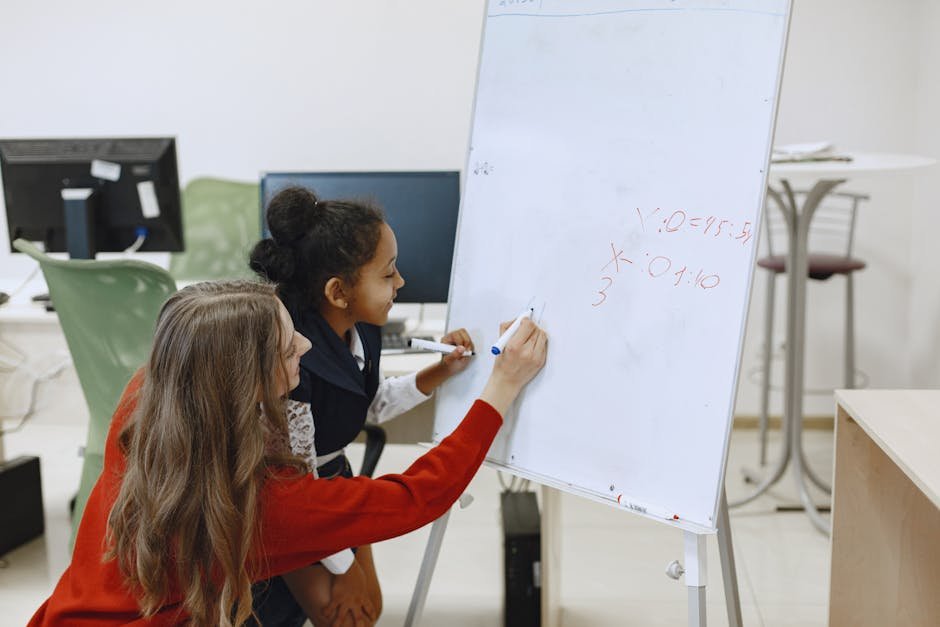
Understanding the Core Connection
Percentages often intimidate elementary students, but they become much simpler when related to the times tables. The key lies in the 10 times table, which serves as a foundation for understanding percents. Let's explore how this connection works and how you can help your child master both subjects.
The Role of the 10 Times Table
The 10 times table is instrumental because 10% of any number is simply that number divided by 10. For instance, 10% of 80 is 8, 10% of 250 is 25, and 10% of 4,000 is 400. This basic understanding allows children to see percents as an extension of multiplication and division with 10. By practicing with different numbers, children can strengthen their grasp on how percentages work.
Building Other Percents from 10%
Once children grasp the concept of 10%, they can build other percentages through easy combinations:
- 20% is double 10%. For example, 20% of 80 is 16.
- 30% is three times 10%. Thus, 30% of 80 is 24.
- 5% is half of 10%. So, 5% of 80 is 4.
- 15% is 10% plus 5%. Therefore, 15% of 80 is 12.
- 50% is half of the whole. For 80, 50% is 40.
- 25% represents a quarter. Thus, 25% of 80 is 20.
Children soon realize that percentage problems are essentially times-table tasks in disguise, providing a familiar structure to work within. Encourage them to practice with various numbers to see how these relationships hold true.
Practical Applications of Percent Math
Translating math skills to real-world scenarios enhances understanding and retention. Here are some everyday situations where percentages and times tables merge seamlessly.
Tip Calculations
When dining out, calculating a tip is a common real-life application. For example, determining a 20% tip on a 60-dollar bill involves finding 10% (6 dollars) and doubling it to get 12 dollars. This practical exercise reinforces the connection between percentages and multiplication tables. You can even turn this into a fun family activity by letting your child calculate the tip during outings.
Shopping Discounts
Understanding sales and discounts is another vital skill. If a 40-dollar shirt is offered at a 25% discount, your child can calculate 10% of 40 (4 dollars) to find that 25% (10 dollars off) results in a 30-dollar price. Such exercises can transform shopping trips into valuable math lessons. Encourage your child to calculate discounts on different items to practice more.
School Grades
Grades often involve percentages. For instance, scoring 80% on a 20-question quiz means answering 16 questions correctly. This is derived by calculating 10% of 20 (which is 2) and multiplying it by 8. This approach helps children relate their classroom achievements to math skills. Discussing their grades in percentage terms can make the numbers feel more meaningful.
Sports Statistics
Sports offer a fun way to apply percentages. A baseball player batting .250, or 25%, gets a hit in one out of every four at-bats. Understanding this statistic encourages children to see math in their favorite activities. Encourage them to look at other sports statistics that interest them, such as basketball shooting percentages or football passing ratings.
Battery Life Estimations
Technology provides numerous opportunities for percentage practice. If a phone's battery is at 30% and it lasts 10 hours fully charged, then 30% indicates 3 hours of remaining use. This helps children apply math to technology they interact with daily. Have them estimate usage times for other devices to further develop this skill.
Age-Specific Tips for Teaching Percentages and Times Tables
Tailoring your approach based on your child's grade level ensures they build a strong mathematical foundation. Here are some tips by age group.
Grades K-2: Laying the Groundwork
- Introduce times tables through songs and rhymes to make learning fun and engaging.
- Use visual aids like number lines and multiplication charts to help visualize numbers.
- Incorporate everyday counting exercises, such as counting toys or snacks, to relate math to their world.
- Start with simple percentages, like 50% (half), using tangible examples like dividing fruit.
Grades 3-4: Building on Basics
- Practice skip counting to strengthen understanding of multiplication sequences.
- Introduce simple percentages in everyday terms, like sharing candy or slices of pizza.
- Encourage math games that involve quick recall of multiplication facts.
- Use real-life scenarios, such as dividing classroom items among groups, to explain percentages.
Grades 5-6: Mastery and Application
- Focus on real-world applications of percentages, such as money management and budgeting.
- Introduce more complex percent problems, like calculating discounts and tips.
- Encourage mental math to improve speed and confidence in handling numbers.
- Incorporate technology by using apps that challenge them with advanced math problems.
Common Mistakes to Avoid
Even with the best intentions, some common pitfalls can hinder your child's progress. Be mindful of these as you work together on math skills.
Overemphasizing Memorization
While memorization is important, understanding the logic behind multiplication and percentages is crucial. Encourage your child to explain their thought process rather than just reciting facts. Ask questions like "Why do you think that works?" to promote deeper understanding.
Skipping Foundational Skills
Ensure your child has a solid grasp of basic multiplication before introducing percentages. Skipping these foundational skills can lead to confusion and frustration later on. Regularly review basic multiplication facts to keep these skills sharp.
Ignoring Mistakes
Review errors together to identify misunderstandings. This approach helps your child learn from their mistakes and strengthens their overall math skills. Encourage a positive attitude towards mistakes as learning opportunities.
Actionable Tips for Reinforcement
Here are some practical strategies to reinforce times tables and percentages at home.
- Set aside regular time for math practice, making it a part of the daily routine.
- Utilize online resources and apps that offer interactive multiplication and percentage exercises.
- Incorporate math into daily activities, like cooking, shopping, and budgeting.
- Celebrate small victories to keep your child motivated and confident.
- Encourage your child to teach you what they've learned, reinforcing their understanding.
- Use math journals for your child to record their math discoveries and progress.
For Special Situations: Tailoring Your Approach
Every child is unique, and some may face additional challenges or excel beyond their peers. Here's how to adapt your methods for special situations.
Test Anxiety
Help your child develop relaxation techniques and practice problem-solving in low-pressure environments. Encourage a growth mindset, emphasizing effort over perfection. Practice with sample tests at home to build familiarity and confidence.
ADHD
Incorporate movement into learning, such as using flashcards with physical activities. Break tasks into manageable chunks and provide frequent breaks to maintain focus. Use timers to help them manage their time effectively.
Gifted Learners
Challenge gifted learners with advanced problems and real-world applications. Encourage them to explore math beyond the classroom through projects and competitions. Provide opportunities for them to mentor peers, which can enhance their understanding.
Dyscalculia
Offer additional support with visual aids and hands-on activities. Use technology and specialized programs designed to help children with learning differences in math. Collaborate with educators to develop a personalized learning plan.
In the Classroom vs. At Home
Understanding the differences between classroom learning and home practice can enhance your child's math skills.
Classroom Learning
In school, structured lessons and peer interactions provide a collaborative learning environment. Teachers guide students through curriculum-based content, often utilizing group activities and discussions.
Home Practice
At home, you have the flexibility to tailor activities to your child's specific needs. Focus on reinforcing classroom concepts through fun, engaging activities that fit your child's learning style and interests.
Talking to Your Child's Teacher
Effective communication with teachers can support your child's learning journey. Consider these strategies for fostering a collaborative relationship with the school.
Stay Informed
Attend parent-teacher conferences and stay updated on your child's progress. Discuss their strengths and areas for improvement to align efforts at home and school. Regular check-ins help maintain a strong partnership.
Share Concerns
If your child struggles with certain concepts, communicate with their teacher to identify additional resources or support available at school. Teachers can provide insights into classroom dynamics and suggest strategies that have worked for other students.
Reinforce Classroom Learning
Ask teachers for recommendations on materials or activities that complement classroom instruction. Reinforcing these at home can solidify your child's understanding. Collaborate on setting realistic goals and celebrating achievements.
Looking to the Future: A Long-Term Perspective
Instilling a strong foundation in times tables and percentages prepares children for future academic and real-world challenges. These skills are not only essential for higher math but also play a role in everyday decision-making and problem-solving. Encourage your child to view math as a valuable tool rather than a hurdle. With consistent support and practice, they can develop confidence and competence in math, paving the way for success in various aspects of life.A long-term perspective involves recognizing that math skills build over time. Encourage your child to set personal goals and reflect on their progress. Support their learning journey with resources that challenge and engage them.
Reader questions
What if my child doesn't enjoy math?
Try to incorporate math into activities they enjoy, such as cooking or sports. Using math games and apps can also make learning more enjoyable.
How can I help if I'm not confident in math?
Learn alongside your child. Use online resources, tutorials, and educational apps to strengthen your own understanding while supporting your child.
When should I consider outside tutoring?
If your child consistently struggles despite your efforts and school support, consider outside tutoring. A tutor can provide personalized attention and strategies tailored to your child's needs.
How often should my child practice math?
Regular practice is key. Aim for short, daily practice sessions to build skills gradually without overwhelming your child. Consistency is more important than length.
How do I know if my child is making progress?
Look for improvements in their confidence, speed, and accuracy with math tasks. Celebrate small achievements and encourage them to reflect on how far they've come.
To finish
Connecting percentages and times tables transforms a daunting topic into a manageable, relatable subject for children. Through practical applications, age-appropriate strategies, and a supportive environment, you can help your child master these fundamental math skills. Remember, every child's journey is unique, so be patient and adaptable as they learn and grow. Consistent support and encouragement will foster a positive math experience that can last a lifetime.
