Veerle Dielen · Elementary teacher · November 20, 2025 · Practice Routine
Sick Day Math: When to Skip and When to Try
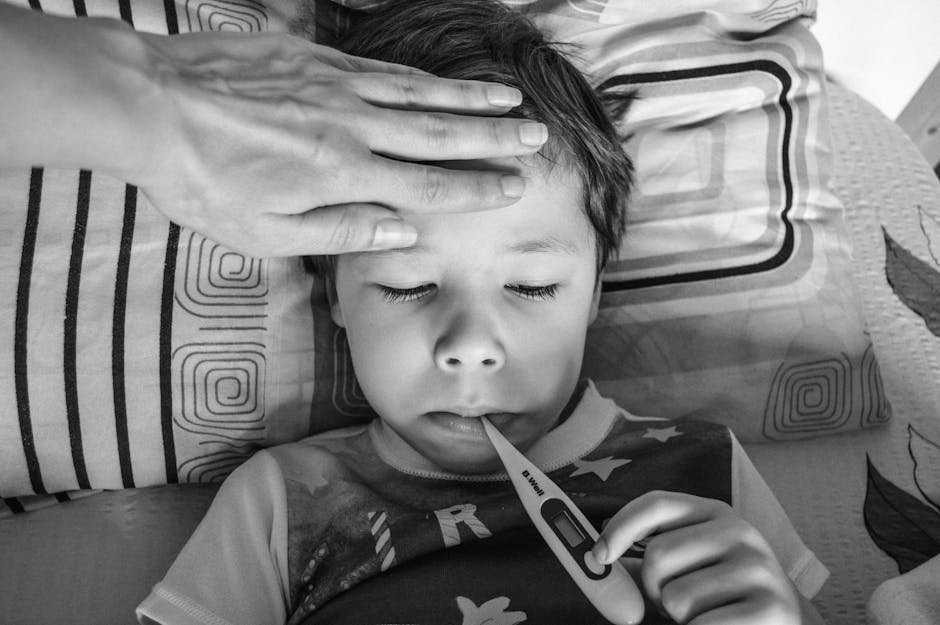
Your child is under the weather, and the math homework is sitting in their backpack. What's the best approach? Should you insist on completing the homework or let it slide for the day? Generally speaking, it's wise to skip math homework when your child is sick. Sick kids do not learn well, and pushing them can create negative associations with math. However, it's important to recognize that not all sick days are the same. Here's how to determine when to skip math entirely, when a small amount of practice might be beneficial, and how to ease back into the routine afterward.
Understanding When to Skip Math Completely
The first step is to assess your child's condition. There are certain situations when it's best to forgo math practice entirely and focus on rest and recovery.
High Fever
If your child has a fever above 100°F, it's crucial to prioritize rest. Fever is the body's way of fighting off an infection, and the energy required to do math can hinder the healing process. Instead, encourage them to lie down and relax. Consider offering soothing activities like listening to audiobooks or gentle music to keep them calm and distracted without exerting themselves.
Gastrointestinal Issues
Vomiting and diarrhea are clear indicators that your child should avoid any mental exertion. These symptoms cause significant dehydration and fatigue, making it difficult for the brain to function optimally. Allow them to stay hydrated and rest comfortably. Offer them light, easy-to-digest foods and ensure they have a cozy spot to rest, away from any distractions.
Extreme Fatigue
If your child is sleeping for most of the day or showing signs of major fatigue, they need rest more than anything else. Sleep is a critical component of recovery, and math can wait until they regain their energy. Consider adjusting their bedtime to ensure they are getting adequate sleep and consult with a healthcare provider if fatigue persists.
General Misery
Sometimes, a child might not have specific severe symptoms but just feel downright miserable. In these cases, pushing them to do math can create frustration and negative feelings toward learning. Let them take it easy and use this time to recharge. Offer them comforting activities like drawing or watching their favorite movies to help lift their spirits.Remember, the body needs time to heal, and math will still be there when they feel better.
When a Little Math Can Be Beneficial
Then again, there are situations where a small amount of math practice could be comforting and even helpful. It's all about balance and recognizing your child's readiness.
Mild Cold Symptoms
If your child has a mild cold and is simply bored on the couch, a few minutes of easy math practice can serve as a distraction. Keep it light and enjoyable, and ensure they stop before it becomes tiring. You can integrate math into their play by using math-based board games or apps that require minimal effort but keep their minds engaged.
Recovery Phase
When your child is on the mend and their energy is starting to return, a brief math session can help reestablish routine and structure. Aim for 3-5 minutes of simple math problems that they can do without stress. You might try incorporating math in daily activities, such as measuring ingredients for a simple recipe or counting items during a grocery trip.
Child's Initiative
If your child expresses a desire to do something productive, it's a good opportunity to engage them in a little math. When they initiate the activity, they are more likely to enjoy it. Just make sure to keep it short and sweet. Encourage them by asking if they want to solve a fun math puzzle or work on a math craft project together.In these cases, the familiar routine of math can actually provide a sense of comfort and normalcy. Just remember to keep it light and stop early to prevent fatigue.
Resuming Math After Multiple Sick Days
After a few days off from school due to illness, your child might feel a bit rusty when it comes to math. It's important to ease back into the routine gently.
Start with Easy Facts
Begin with a light session focused on easy math facts. This helps rebuild confidence and gets their brain back into learning mode without overwhelming them. Use flashcards or apps that focus on basic addition, subtraction, multiplication, or division to kickstart their memory.
Maintain a Calm Pace
A calm and relaxed pace is key when reintroducing math after an illness. Avoid rushing through problems or piling on extra work to catch up. The aim is to create a positive and stress-free environment. Set up a quiet, comfortable space free from distractions, where your child can ease back into their studies.
No Pressure Environment
Ensure there's no pressure to perform perfectly. Encourage your child to ask questions and take breaks if needed. The goal is to reestablish their comfort with math, not to push for perfection. Remind them that it's okay to make mistakes and that they are part of the learning process.Remember, there's no need to catch up by doing extra work. The natural rhythm of the week will help your child get back on track.
Communicating with the School
If your child has been ill for an extended period, it's important to communicate with their teacher. This helps manage expectations regarding homework and classwork.
Inform the Teacher
Send an email to the teacher explaining the situation. Most teachers understand that children's health takes precedence and will adjust homework expectations accordingly. They often prefer that students fully recover before diving back into academics. Provide specific details about your child's condition and any restrictions they may have upon returning to school.
Discuss Adjustments
Discuss any necessary adjustments to your child's workload with the teacher. They might suggest focusing on certain areas or provide additional resources to help your child catch up without feeling overwhelmed. Ask if there are certain assignments that can be prioritized or modified to ease your child's transition back to school.By keeping an open line of communication with the school, you ensure that your child receives the support they need to transition back to their studies smoothly.
Common Mistakes to Avoid
When your child is sick, there are certain mistakes you should avoid to prevent negative associations with math.
Avoid Pushing Too Hard
Resist the urge to push your child to complete math homework when they're clearly unwell. This can lead to frustration and resentment toward math, making future learning more difficult. A good rule is to prioritize their comfort and well-being over academic tasks.
Avoid Creating Pressure
Creating a high-pressure environment can be detrimental, especially when your child is recovering. Focus on comfort and encouragement rather than strict deadlines and high expectations. Be patient and understanding, and reassure your child that their health is more important than immediate academic success.
For early elementary
Young children in grades K-2 have unique learning needs, especially during sick days.
Interactive Learning
Focus on simple math stories or counting games to keep math fun during recovery. Visual aids and manipulatives can be particularly helpful. Use items like blocks or colored beads for counting exercises or engage them with a math-themed storybook.
Short Sessions
Young children have shorter attention spans, so keep math sessions brief and engaging. Aim for 5-10 minute activities that are hands-on and interactive. Encourage play-based math activities, such as sorting or pattern-making games.
For grades 3 and 4
Children in grades 3-4 can manage more structured math activities even during recovery.
Interactive Math Activities
At this stage, children benefit from interactive math activities that reinforce basic concepts. Use educational apps or card games to make math enjoyable. Encourage them to solve puzzles or participate in math scavenger hunts to keep learning fun.
Building Independence
Encourage independent math practice by setting up a math corner with resources they can explore on their own. Provide them with math journals to jot down problems and solutions as they work through activities.
For upper elementary
Older children in grades 5-6 can handle more complex math tasks, even when not feeling their best.
Real-World Applications
Encourage them to apply math in practical situations, like cooking or budgeting, to keep their skills sharp. Find opportunities in everyday activities where they can practice math, such as calculating the total cost of groceries or measuring ingredients for a recipe.
Project-Based Learning
Introduce project-based learning, where they can explore math concepts in-depth. Challenge them to create a simple project that involves math, such as designing a small business plan or building a model using geometric shapes.
Actionable Tips for Parents
Here are some actionable tips to help you navigate math practice during your child's sick days:
- Assess your child's symptoms before deciding on math practice.
- Keep math sessions short, light, and enjoyable.
- Use simple math problems to reintroduce routine.
- Communicate with teachers for extended illnesses.
- Focus on your child's comfort and recovery.
- Integrate math into daily activities for real-world practice.
- Provide positive reinforcement and encouragement.
When the standard does not fit
Every child is different, and some may have specific needs that require tailored approaches when it comes to math and sick days.
Test Anxiety
If your child experiences test anxiety, sick days can exacerbate these feelings. Reassure them that their health is the priority and that they can catch up with math at their own pace. Practice relaxation techniques and positive affirmations to help manage anxiety.
ADHD or Attention Challenges
For children with ADHD, maintaining focus during recovery can be challenging. Short, engaging math activities can help hold their attention without causing frustration. Break tasks into smaller, manageable segments and incorporate movement breaks.
Gifted Children
Gifted children might feel the urge to continue learning despite being sick. Encourage them to explore math in creative ways, such as puzzles or math-related games, while ensuring they rest adequately. Provide them with challenging math problems or logic puzzles to keep their minds active.
Dyscalculia
Children with dyscalculia may benefit from specialized resources during recovery. Consult with their teacher or a specialist to find appropriate materials that match their learning style. Use visual aids and hands-on tools to support their learning process.
Talking to Your Child's Teacher
Having open communication with your child's teacher can make a significant difference in managing their math education during illness.
Regular Updates
Keep the teacher informed about your child's condition and progress. Regular updates can help the teacher provide tailored support and resources that align with your child's needs.
Collaborate on Strategies
Work with the teacher to develop strategies that accommodate your child's learning during recovery. Discuss any concerns or adjustments needed to ensure your child doesn't feel overwhelmed upon returning to school.
The research
Understanding the research behind learning and illness can provide insight into the best practices for managing math during sick days.
Impact of Illness on Cognitive Function
Research indicates that illness can significantly impact cognitive function, reducing attention span and memory retention. This highlights the importance of prioritizing rest and gradual reintroduction to learning.
Benefits of Rest and Recovery
Studies show that adequate rest and recovery support not only physical health but also mental well-being, which is crucial for effective learning. Ensuring your child is fully recovered before returning to academic tasks can improve their overall performance.
Setting up the week
Establishing a weekly routine can help maintain consistency in your child's learning, even during times of illness.
Monday-Wednesday: Light Review
Start the week with light review sessions focusing on previously learned concepts. Use flashcards or online resources for quick, engaging activities.
Thursday: Interactive Learning
Incorporate interactive learning, such as math games or puzzles, to reinforce concepts in a fun way. Encourage your child to explore math apps or participate in online math challenges.
Friday: Real-World Math
End the week with real-world math applications. Engage your child in activities like cooking, shopping, or planning a simple project that requires math skills.
What parents want to know
How do I know if my child is too sick for math?
Assess their symptoms: high fever, vomiting, extreme fatigue, or general misery are clear indicators they need rest over academic activities.
Should I communicate with the teacher even if it's a short illness?
Yes, keeping the teacher informed, even about short illnesses, helps them understand any temporary changes in your child's performance or participation.
How can I help my child catch up on missed math work?
Start with easy concepts to rebuild confidence, use online resources for additional practice, and maintain open communication with the teacher for guidance.
What if my child has ongoing health issues affecting school attendance?
Discuss your child's needs with their teacher and school administrators to develop a personalized plan that accommodates their health and educational requirements.
Can sick days affect my child's long-term math skills?
Occasional sick days won't have a long-term impact if you focus on their well-being and gradually reintegrate them into their learning routine. Consistency and support are key.
Conclusion: Balancing Health and Learning
When your child is sick, it's vital to prioritize their health and well-being over academic achievements. By understanding when to skip math entirely and when a little practice might be beneficial, you can help your child recover without jeopardizing their relationship with math. Remember to communicate with their school, adapt strategies to their unique needs, and focus on maintaining a positive attitude toward learning. With the right approach, your child will bounce back from sick days ready to tackle their math assignments with renewed energy and enthusiasm.
