Veerle Dielen · Elementary teacher · July 10, 2026 · Practice Routine
The 21-Day Times Tables Challenge: A Day-by-Day Plan
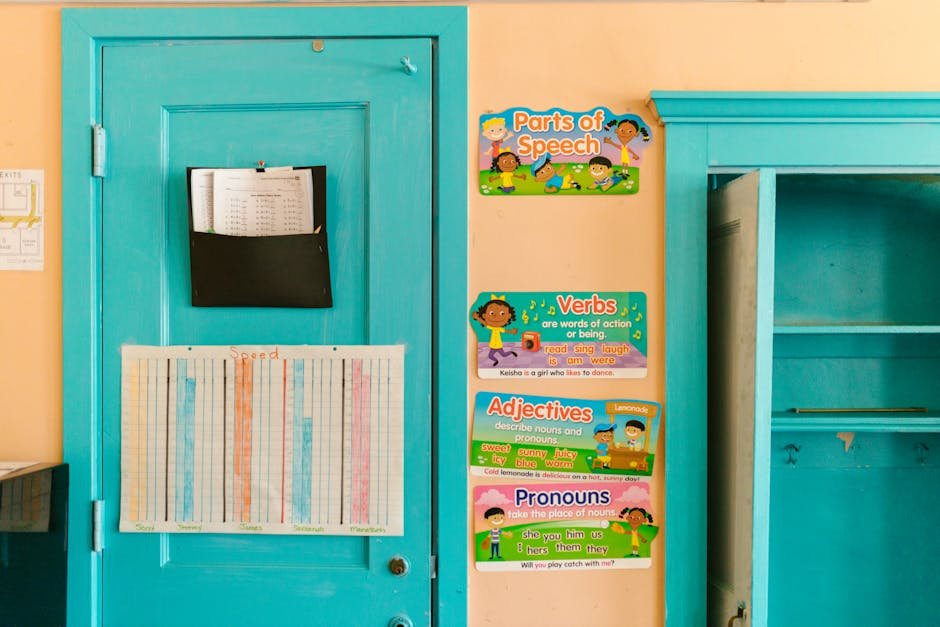
Twenty-one days, five minutes per day, and the times tables can be fully mastered. This challenge promises results, and for most kids who follow it, it delivers. By dedicating just a few minutes each day, children can transform their multiplication skills from effortful recall to automatic retrieval, making math a much more enjoyable subject.
Why 21 Days is the Magic Number
The 21-day timeframe isn't arbitrary. Research into memory and learning demonstrates that consistent practice over this period helps transfer information from short-term to long-term memory. By revisiting facts with enough frequency and allowing for sleep cycles in between, the neural connections become robust and lasting.Shorter challenges, like one-week sprints, might work for a couple of tables, but they fall short for comprehensive mastery. But, challenges extending beyond a month can lead to lost interest and diminished motivation. Thus, 21 days is a sweet spot that balances effectiveness and engagement.
Preparation Before the Challenge Begins
Before embarking on this journey, gather the necessary tools and set the stage for success:
- Practice Tools: Choose an app, flashcards, or an online quiz like TimesTablesTrainer to facilitate daily practice.
- Visual Progress Chart: Place a 21-day chart on the fridge, where your child can color in a square or add a sticker for each completed day.
- Reward Incentive: Plan a small reward for day 21, such as a movie night or a special gift.
- Consistent Timing: Designate the same time each day for practice, ensuring it becomes a routine.
- Baseline Test: Conduct a test with 20 random multiplication facts, recording the results for a future comparison.
Week 1: Building the Foundation (Days 1-7)
The first week focuses on establishing habits with the simplest tables, setting a positive tone before tackling more complex challenges.
Day 1: Mastering the 1 Times Table
Start with the easiest: any number multiplied by 1 equals itself. Practice 1×1 through 1×10 in random order for five minutes. Most children will solve these quickly, so use the remaining time to celebrate this initial success. Mark the day on the chart.
Day 2: Conquering the 10 Times Table
Next up is the 10 times table. Simply add a zero to the number. Practice 10×1 through 10×10. Again, most kids will breeze through this, leaving time to mix in some 1 times table facts to reinforce learning.
Day 3: Doubling with the 2 Times Table
The 2 times table involves doubling numbers, which many children already know from counting by twos. Practice 2×1 through 2×10, mixing in previous facts for variety.
Day 4: Counting by Fives with the 5 Times Table
Many children are familiar with the 5 times table from skip counting and reading clocks. Practice 5×1 through 5×10 in random order, along with previously learned tables.
Day 5: Mixed Review of 1s, 2s, 5s, and 10s
This day involves a mixed review of 40 facts across the four easy tables. The goal is to answer quickly and confidently, building a strong foundation.
Day 6: Introducing the 3 Times Table
Moving up in difficulty, the 3 times table involves practicing 3×1 through 3×10. Focus on the trickier facts like 3×7, 3×8, and 3×9, as these often require extra attention.
Day 7: The 4 Times Table and the Doubling Strategy
The 4 times table can be approached as doubles of the 2s. For instance, 4×7 is double 2×7, which is 28. Practice these with the doubling strategy, mixing with previous tables as support.
End of Week 1: By now, your child should be familiar with the 1s, 2s, 3s, 4s, 5s, and 10s, and the habit of daily practice is established. Celebrate this milestone with a small reward.
Week 2: Tackling the More Challenging Tables (Days 8-14)
The second week focuses on the tables that are usually more difficult for children: the 6s, 7s, 8s, and 9s. This is often the most challenging part of the journey.
Day 8: Finger Tricks with the 9 Times Table
Surprisingly, the 9 times table can be easier than expected thanks to the finger trick and predictable digit patterns. Teach the finger trick: hold up 10 fingers, fold down the finger that corresponds to the number being multiplied by 9. The left fingers represent tens, the right ones represent ones. Practice 9×1 through 9×10 using this trick until it becomes second nature.
Day 9: Strategies for the 6 Times Table
The 6 times table is the first real challenge. One approach is to think of 6 times a number as five times that number plus one more instance of the number. For example, 6×7 equals 35 plus 7, making 42. Alternatively, it can be seen as double three times the number (e.g., 6×7 is double 21, which is 42). Choose a strategy that resonates with your child and practice it in random order.
Day 10: Mixed Review of New and Old Tables
Combine 40 facts from the 9s, 6s, and tables learned in week 1. This integration tests new skills against familiar ones, identifying any areas that need more focus.
Day 11: Doubling with the 8 Times Table
The 8 times table can be approached as doubles of the 4s, such as 8×6 being double 4×6, which is 48. Pay close attention to 8×7, a common stumbling block, and practice these in random order with the doubling strategy.
Day 12: Targeted Drilling of Difficult Facts
Focus on the specific facts that are proving troublesome. This often includes 6×7, 6×8, 7×8, 6×9, and 8×9. Spend five minutes purely on these challenging facts in random order, as focused repetition helps solidify them.
Day 13: Navigating the Tricky 7 Times Table
By this point, most facts in the 7 times table are familiar from other tables, with 7×7 being the main new challenge. Practice 7×1 through 7×10, mixing in previously learned tables for reinforcement.
Day 14: Comprehensive Week 2 Review
Review 40 facts across the 6s, 7s, 8s, and 9s in random order. While some might still be slow, improvement should be evident. Mark the completion of another week and recognize the progress made.
End of Week 2: At this point, your child should know all 10 tables, with varying speeds. Easier tables should be automatic, while harder ones may take a few seconds. Celebrate the hard work accomplished.
Week 3: Achieving Speed and Mastery (Days 15-21)
The final week focuses on transforming slow recall into instant retrieval. With the facts already known, speed is achieved through repeated practice with a timing element.
Day 15: All Tables Mixed Without a Timer
Practice 40 random facts from any table, focusing purely on accuracy. Identify any facts that cause hesitation, as these will be the target for upcoming practice.
Day 16: Focused Drilling on Slower Facts
Select the 5-8 facts that consistently slow down your child. Spend five minutes practicing these facts in random order, emphasizing immediate feedback and repetition until they no longer cause delays.
Day 17: Speed Challenge with a 60-Second Sprint
Set a 60-second timer and see how many facts your child can correctly answer within that time. Record the number, as it will serve as the baseline for improvement throughout the week.
Day 18: Mixed Practice with a Light Timer
Practice with a gentle time constraint, allowing five seconds per fact. Those that take longer should be noted for further focused drilling the next day.
Day 19: Second Round of Focused Drilling
Continue focused practice on any remaining slow facts. By now, most should be within a second. The few that remain may need additional repetition.
Day 20: Speed Challenge to Surpass Day 17
Conduct another 60-second sprint. The number of correctly answered facts should be higher than the initial attempt. Celebrate this improvement as a sign of progress.
Day 21: Final Test and Celebration
Re-take the baseline test from day 1 with 20 random multiplication facts, noting the improvements in accuracy and speed. Celebrate the completion of the challenge with the promised reward, marking the mastery of times tables.
What to Avoid: Common Mistakes
Avoiding Burnout
It's crucial not to overextend practice sessions. Five minutes is sufficient; longer sessions can lead to frustration and burnout. Keep it short and engaging to maintain motivation.
Skipping Daily Practice
Consistency is key. Missing a day here and there won't derail progress, but frequent breaks can disrupt the learning habit. Aim to practice daily, and if a day is missed, resume promptly without doubling up on sessions.
Neglecting Difficult Facts
It's tempting to focus on what comes easily, but tackling challenging facts is essential for comprehensive mastery. Make sure to dedicate time to these, using strategies and repetition to make them stick.
Actionable Tips for Success
- Keep practice sessions short and positive.
- Use rewards to motivate and celebrate progress.
- Integrate learning with daily activities, such as counting objects or using multiplication in cooking.
- Use games and apps to make practice fun and engaging.
- Monitor progress with visual tools like charts or stickers.
- Encourage your child to teach back what they've learned, reinforcing their understanding.
For Special Situations: Tailoring the Approach
Handling Test Anxiety
For children who experience test anxiety, practice in a low-pressure environment. Focus on understanding rather than speed initially, gradually introducing timed elements as confidence builds.
Strategies for ADHD
Children with ADHD may benefit from breaking sessions into even shorter bursts with movement breaks in between. Use visual and hands-on tools to maintain interest and engagement.
Supporting Gifted Learners
Gifted learners may find the basic challenge too easy. Introduce more complex multiplication problems or explore mathematical concepts beyond times tables to keep them challenged and engaged.
Approaches for Dyscalculia
For children with dyscalculia, use multisensory strategies such as manipulatives or visual aids. Focus on understanding patterns and relationships between numbers rather than rote memorization.
Cooperating with Schools: A Partnership Approach
Communication with teachers can enhance your child's learning experience. Share progress and challenges, and seek advice for additional resources or strategies. Teachers can provide insights into your child’s learning style and how best to support it at home.
Looking at the Long-Term Perspective
Mastering times tables is a foundational skill with long-term benefits. It not only boosts confidence in math but also lays the groundwork for more complex mathematical concepts. With a solid grasp of multiplication, children are better prepared for future academic challenges, from algebra to geometry and beyond.What's more, this 21-day challenge instills a habit of consistent practice and perseverance, skills that are invaluable beyond mathematics. The ability to tackle a challenge with dedication and see it through to completion is a lesson that will serve children well in all areas of life.
Final Thoughts: The Journey to Mastery
Completing the 21-day times tables challenge is a significant achievement for any child. It requires commitment, effort, and patience, both from the child and supporting adults. Celebrate this accomplishment not just for the mastery of multiplication, but for the development of a growth mindset and the confidence to tackle future challenges.Remember, learning is a journey, and each step forward is a step toward greater understanding and capability. With the skills gained from this challenge, your child is well-equipped to excel in mathematics and beyond.
