Veerle Dielen · Elementary teacher · December 25, 2025 · Real-World Math
Times Tables and Money: Making Math Concrete for Kids
Understanding the Power of Money in Math Education
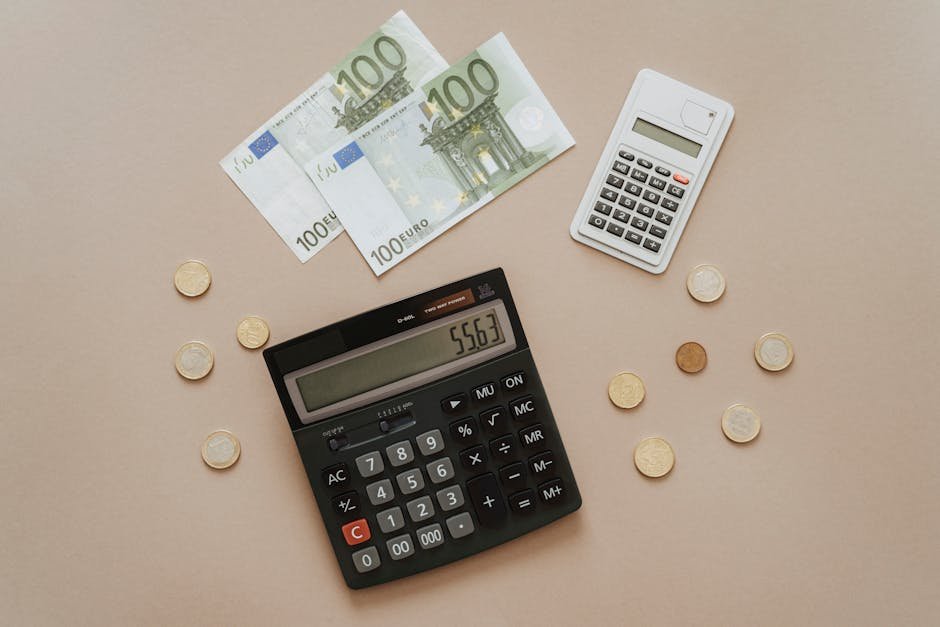
Money, with its tangible nature, serves as a remarkable tool for teaching multiplication tables to children. This connection is not merely coincidental; it stems from the fact that money transforms abstract numbers into concrete values that kids can see, touch, and understand. For instance, a child might find it challenging to grasp the concept of multiplying five by five, but when told that five nickels amount to 25 cents, the math becomes much clearer. This section explores why money is a particularly effective educational resource and how it can be integrated into daily learning.
The Tangibility of Money
For many children, numbers alone can seem abstract and elusive. However, when these numbers are attached to money, they gain a concrete dimension. A five-dollar bill or a stack of dimes is something physical, something they can hold and count. This tangible quality helps make arithmetic operations, such as multiplication, more intuitive and accessible.
High Interest and Motivation
Money is inherently interesting to most kids. The motivation to learn math through money is often already present, as children naturally want to know how much their favorite toys cost or how much they need to save to buy a new game. This intrinsic interest can be a powerful motivator in learning multiplication tables.
Concrete Practice with Money
Using money for math practice is a straightforward yet effective approach. Here are several strategies to incorporate money into math lessons, making multiplication more engaging and understandable for children.
Counting by Coins
Start with simple exercises like counting by nickels, dimes, and quarters. Lay out six nickels and ask, "How much is that?" The calculation becomes: 5 cents times 6 equals 30 cents. This exercise can be repeated with different coins to reinforce the understanding of multiplication.
- Dimes: Lay out 7 dimes. The calculation is 10 cents times 7, equaling 70 cents.
- Quarters: Use 4 quarters. The math is 25 cents times 4, resulting in 1 dollar.
- Pennies: Although simple, counting by pennies can help younger children understand the basic concept of addition leading to multiplication.
Pricing Problems
Real-life scenarios like pricing problems make multiplication relevant. Pose questions such as, "If candy bars are 75 cents each, how much for 4 candy bars?" Encourage your child to use real coins to verify their answer. This not only checks their math but also reinforces the concept of multiplication as repeated addition.
Allowance Math
Integrate math into everyday activities, like managing an allowance. Ask, "If you save 3 dollars a week, how much will you have in 8 weeks?" Count out the bills together to visualize the total savings. This exercise combines multiplication with a lesson in financial literacy.
Restaurant Menus
Menus offer a practical way to practice multiplication. Ask your child, "If we order 3 sandwiches at 9 dollars each, what is the total bill?" This scenario not only involves multiplication but also helps children practice addition and develop an understanding of budgeting.
Store Splits
Bridge multiplication with division through store split scenarios. Present a problem such as, "We have 24 dollars and 4 people. How much does each person get?" This encourages kids to use multiplication and division together, enhancing their overall arithmetic skills.
Coupon Math
Teach kids about discounts and percentages through coupon math. Pose a problem like, "20% off a 25 dollar shirt. How much do you save? How much do you pay?" This not only practices multiplication but also introduces the concept of percentages in a practical setting.
The Connection to the Elementary Curriculum
Money math is not just a fun exercise; it aligns closely with the elementary school curriculum, particularly within the Common Core standards starting in second grade. By practicing with coins and bills, children reinforce their understanding of multiplication and place value, concepts critical to their future success with decimals and more complex math in later grades.
Common Core Standards
The Common Core standards emphasize understanding the relationships between numbers, with money math fitting perfectly into these guidelines. For instance, second graders learn to count coins and bills, which naturally incorporates multiplication. As children progress to higher grades, this foundation supports their ability to tackle more complex mathematical concepts.
Decimal Multiplication
By the time children reach fifth grade, they encounter decimal multiplication. A child who is accustomed to handling money finds this transition smoother. For example, understanding that 0.75 is equivalent to 75 cents can demystify decimal operations, making them seem less intimidating.
Case Studies: Real-World Scenarios
Let's look at some typical scenarios that parents might recognize, where money can be used to teach multiplication in a real-world context.
Case Study 1: The Lemonade Stand
Consider a child running a lemonade stand. They sell each cup for 50 cents and want to calculate how much they'll earn if they sell 10 cups. Here, multiplication becomes practical: 50 cents times 10 equals 5 dollars. This scenario not only teaches multiplication but also encourages entrepreneurial skills.
Case Study 2: Birthday Party Budgeting
Another scenario involves planning a birthday party. If a child wants to buy party favors that cost 2 dollars each for 10 friends, they must multiply: 2 dollars times 10 equals 20 dollars. This exercise teaches both multiplication and budgeting, as they must ensure they have enough money saved.
Case Study 3: Weekly Grocery Shopping
During grocery shopping, a child sees that apples cost 3 dollars per pound. If they need 4 pounds for the week, they calculate: 3 dollars times 4 pounds equals 12 dollars. This scenario reinforces multiplication and helps children understand how math is used in everyday decisions.
Tips for Different Age Groups
Teaching multiplication through money should be tailored to the child's age and grade level. Here are some tips for different age groups.
Grades K-2
For younger children, focus on simple counting and basic addition. Use coins to teach counting, and gradually introduce the concept of grouping coins to simplify addition. For instance, show them how two nickels make a dime, and three dimes make 30 cents, setting the stage for multiplication.
Grades 3-4
Children in these grades are ready to tackle more complex multiplication problems. Engage them with pricing problems and allowance math. Encourage them to calculate the total cost of multiple items or their savings over several weeks. These activities make multiplication relevant and fun.
Grades 5-6
Older children can handle more sophisticated concepts, such as coupon math and budgeting with restaurant menus. Introduce percentage calculations and real-life budgeting scenarios to challenge their multiplication skills and enhance their financial literacy.
What to Avoid: Common Mistakes
While teaching multiplication through money is effective, there are common pitfalls to avoid.
Overcomplicating Problems
One common mistake is overcomplicating problems with too many steps. Keep the math straightforward, focusing on one concept at a time. Avoid introducing additional operations like division or subtraction until the child is comfortable with multiplication.
Relying Solely on Money
While money is a powerful tool, relying solely on it can limit a child's understanding. Ensure that they also practice multiplication in other contexts, such as through word problems and number lines, to build a well-rounded mathematical foundation.
Actionable Tips for Parents and Teachers
- Start Simple: Begin with basic counting and gradually introduce multiplication as repeated addition.
- Use Real Money: Whenever possible, use actual coins and bills to make the math tangible and relatable.
- Integrate into Daily Life: Look for opportunities in everyday activities, such as grocery shopping or planning a family outing, to practice multiplication.
- Encourage Estimation: Before calculating, ask your child to estimate the total. This builds number sense and confidence.
- Mix It Up: Use a variety of scenarios and problems to keep practice interesting and engaging.
- Celebrate Success: Acknowledge and celebrate when your child successfully solves a problem, reinforcing positive attitudes towards math.
For unique situations
Every child is unique, and some may face specific challenges when learning multiplication. Here are some strategies for special situations.
Test Anxiety
For children with test anxiety, practice regularly in a low-pressure environment. Use games and fun activities involving money to make learning enjoyable. This reduces stress and builds confidence.
ADHD
Children with ADHD benefit from short, interactive activities. Use quick money-related exercises to maintain their focus and interest. Break tasks into smaller, manageable steps.
Gifted Learners
Gifted students may find traditional problems too simple. Challenge them with complex scenarios, such as planning a budget for a family vacation or calculating interest over time to keep them engaged.
Dyscalculia
For children with dyscalculia, use a multisensory approach. Combine visual aids, such as charts or diagrams, with tactile experiences like handling coins to reinforce learning.
Collaborating with Schools
Communication with your child's school can enhance their learning experience. Share your at-home activities with their teacher and ask for additional resources or suggestions. By working together, parents and teachers can provide a consistent and supportive learning environment.
Sharing Resources
Ask teachers for materials or recommendations that align with the school's curriculum. This ensures that the learning at home complements what's being taught in the classroom.
Feedback Loop
Provide feedback to teachers about what works well at home and any challenges your child faces. This helps educators tailor their instruction to meet individual needs.
Building a Long-Term Perspective
The goal of teaching multiplication through money is not just immediate mastery but fostering a long-term appreciation for math. As children grow, they will encounter more complex mathematical concepts. A strong foundation in multiplication, supported by real-world applications like money, will serve them well throughout their education.
Encouraging Lifelong Learning
Instill a love of learning by making math a positive experience. Encourage curiosity and exploration, whether through discovering new ways to save money or understanding how interest rates work. This mindset will benefit your child in all areas of life.
Preparing for Future Challenges
As children progress through school, they will face increasingly difficult math problems. By building their confidence and skills early on, you equip them to tackle future challenges with ease and enthusiasm.
To finish
Teaching multiplication through money is a practical and effective strategy that resonates with children. By making math tangible and relevant, you help your child develop a solid understanding of multiplication and an appreciation for its real-world applications. With consistent practice, encouragement, and collaboration with educators, your child will gain the confidence and skills needed to succeed in math and beyond.Remember, the journey to mastering multiplication is not just about solving problems; it's about fostering a lifelong love of learning and curiosity. As you guide your child through this journey, celebrate their successes and support them through challenges, ensuring a positive and enriching experience.
