
Learning Times Tables on YouTube: What Works and What Does Not
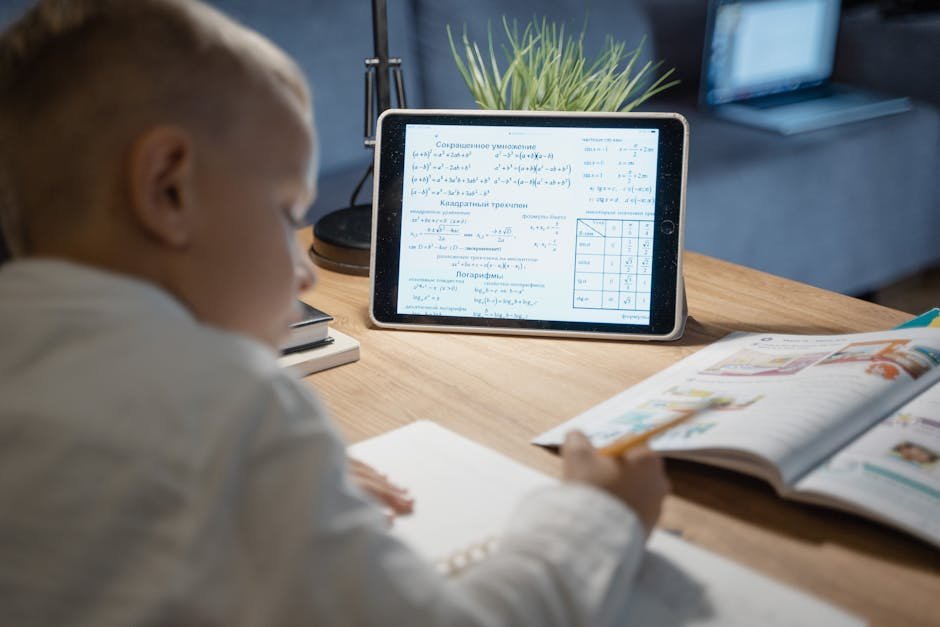
Type "times tables song" into YouTube and you get an endless scroll of cartoons, chants, and countdown timers. Kids love them, and plenty of parents put one on during breakfast hoping some of it sinks in.
For families and teachers wondering whether those videos actually help, the honest answer is: some, in a specific way. They are a good start for a new table and a weak finish.
Why Kids Reach for Videos
Online video is a huge part of childhood screen time. When Common Sense Media surveyed American 8- to 18-year-olds in 2021, it found that more than 6 in 10 tweens and teens watch online videos every day, and that watching videos is the media activity they enjoy most by a wide margin.
So it makes sense that kids look for math there too. A video asks nothing of them. It plays, it sings, and the numbers go by with bright colors and a beat. That ease is exactly the appeal, and it is also the limit.
What a Times Tables Video Does Well
Videos are good at introducing a table. Kids who have never thought about the 4s hear 4, 8, 12, 16 a few times and start to recognize the sequence. Songs give that sequence a rhythm, which makes it easier to say along.
Animated videos can also show what multiplication means. A clip that draws 3 rows of 4 apples and counts them up to 12 connects the fact 3 × 4 = 12 to a picture of equal groups. That is the same idea 3rd grade teachers build with arrays in class.
For a reluctant learner, a video can also be a low-pressure first contact. Nobody is asking questions or keeping score. If your child hums along, the table feels a little more familiar the next time it shows up on a worksheet.
Where Watching Falls Short
Learning a fact well enough to use it means pulling it out of memory on demand. A video does the pulling for your child. The answer arrives before they have to think of it.
Students of every age run into the same thing with notes: reading them again feels like studying, but closing the notes and answering questions does far more for memory. Watching a song about the 7s is much closer to rereading than to answering.
Songs also teach the facts in order. Kids who learned the 6s from a chant may be able to sing all the way to 60 but stall when asked 6 × 7 on its own, because their only way in is to start at the beginning. School work, tests, and word problems rarely ask the facts in order.
Then there is the platform itself. Autoplay moves from a math song to a toy unboxing in a few clicks, and the sidebar is full of unrelated videos. Ten minutes of "math time" can turn into forty minutes of something else.
Questions Families Ask About Math Videos
Are times tables songs bad for kids?
No. They are a fine way to get familiar with a table and to enjoy numbers. Plenty of adults still remember a song from their own school days. The problem only comes when a song is the whole plan, week after week, and nobody ever asks a fact out of order. Think of the song as the warm-up, not the practice.
How many videos should my child watch?
One or two for a new table is usually enough. After that, the same song repeated many times mostly reinforces the order. Spend the next sessions on answering facts instead, and save the song for a car ride or a quiet weekend morning, when it is just for fun.
Should my child watch with me?
Watching together helps, especially with younger kids. Pause the video and ask what comes next, or ask a fact out of order: "What was 4 × 6 again?" That one question turns watching into a moment of recall.
What about videos that quiz kids?
Some videos show a fact, pause for a few seconds, and then reveal the answer. Those are better than songs, because your child has a moment to answer first. The catch is that nobody checks whether they did. If your child answers out loud and you listen, the video becomes real practice.
Can teachers use these videos in class?
Yes, as a short opener. A two-minute song at the start of a math block gets a room of 3rd graders saying numbers together, which is a nice way to begin. Follow it right away with a few facts asked out of order, on whiteboards or with a show of fingers, so the whole class does some recall before moving on.
Watch the first few seconds before showing a video to the class. Some channels open with ads or links to other content that is not meant for school.
My child knows the song but not the facts. What now?
That is a common spot, and it is a good starting point. Your child knows the sequence, so use it. Ask single facts and let them sing up to the answer if they need to. Over several days, the time it takes to get there shrinks, and many facts start to come without the song.
A Better Way to Use YouTube
A better plan treats videos as one step in a short routine. One version looks like this:
- Watch one video for the table you are starting.
- Close it, and draw two or three facts from that table as groups or rows.
- Answer a few facts out of order, out loud or on paper.
- On later days, skip the video and go straight to answering.
The last step is where most of the learning happens. On the 4 times table page, the second quiz mixes up that table's ten facts, which shows fast whether each fact is known or only the song is.
How do you know it is time to drop the video for a table? When your child can answer most facts from that table out of order without singing up to them, the song has done its job. Move on to the next table and keep the old one in the mix with a few review questions each week.
A few settings help too. Turn off autoplay, use a playlist you picked ahead of time, and keep videos on a shared screen in the kitchen or living room. That keeps the math in front and the rabbit hole closed.
If you want to compare video channels, our look at math channels for elementary kids covers what to watch for. For screen use more broadly, this post on screen time and math practice looks at how much makes sense.