Veerle Dielen · Elementary teacher · April 9, 2026 · Real-World Math
Advanced Cooking Measurements: Math in the Kitchen for Older Kids
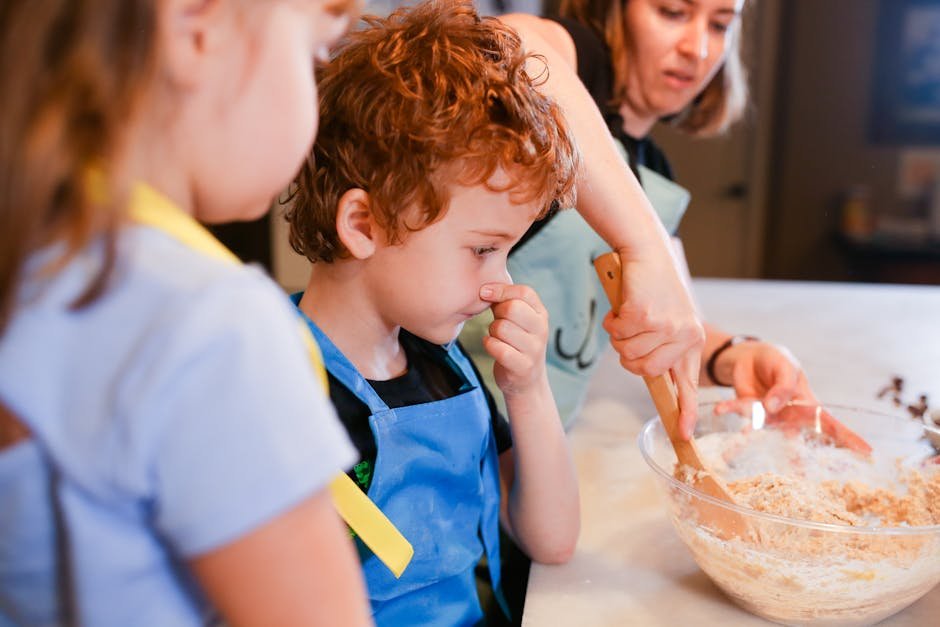
Once your child moves beyond basic counting and begins to explore fractions, decimals, and multi-step problems, your kitchen can transform into an incredible learning lab. Cooking offers real-world applications for advanced math skills, with recipes that constantly utilize fractions and decimals. Scaling recipes requires serious math skills, making it a perfect opportunity for upper-elementary and middle-school students to practice. Let's explore how you can use cooking to enhance your child's math skills.
Understanding Fraction Operations in Recipes
Recipes are filled with fractions, providing a practical way to teach fraction operations. For example, a typical recipe might call for:
- 3/4 cup flour
- 1/3 cup sugar
- 2/3 teaspoon salt
- 1 1/2 tablespoons butter
Doubling a Recipe
When doubling a recipe, children practice fraction multiplication:
- 3/4 × 2 = 6/4 = 1 1/2 cups
- 1/3 × 2 = 2/3 cup
- 2/3 × 2 = 4/3 = 1 1/3 teaspoons
- 1 1/2 × 2 = 3 tablespoons
Each calculation involves real math, and errors can lead to a failed recipe, emphasizing the importance of accuracy. For instance, doubling a chocolate chip cookie recipe can make a fun math challenge, where accuracy results in a delicious treat.
Tripling a Recipe
Tripling a recipe adds another layer of challenge:
- 3/4 × 3 = 9/4 = 2 1/4 cups
- 1/3 × 3 = 1 cup
- 2/3 × 3 = 2 teaspoons
This process not only reinforces math skills but also builds confidence in handling complex problems. Consider tripling a pancake recipe for a family brunch; this can be both educational and rewarding when everyone enjoys the results.
Metric Conversion in Cooking
Many recipes, especially international ones, use the metric system, requiring students to convert units through multiplication or division:
- 1 cup ≈ 240 ml
- 1 tablespoon ≈ 15 ml
- 1 ounce ≈ 28 grams
- 1 pound ≈ 454 grams
Practical Conversion Example
Suppose a recipe calls for 240 grams of flour. Ask your child, "How many ounces is that?" They must perform the conversion: 240 ÷ 28 ≈ 8.5 ounces. Such exercises help solidify their understanding of different measurement systems and enhance their conversion skills. Try converting the measurements for a homemade bread recipe to understand the importance of precise conversions for baking success.
Scaling Recipes Asymmetrically
In real cooking scenarios, you might not always have enough of one ingredient. This requires you to scale recipes asymmetrically. For example, you might have plenty of flour but only 2 eggs when the recipe needs 3.
Scaling Down Ingredients
If the recipe serves 4 and uses 3 eggs, using only 2 eggs requires scaling down to approximately 2.67 servings. Alternatively, scale down by 1/3 for 2 eggs, adjusting every other ingredient by multiplying by 2/3. This teaches students flexibility in problem-solving and the ability to adapt calculations to fit specific situations. Practice this with a simple cake recipe, adjusting for the number of eggs you have on hand.
Real-life Recipe Math Practice
Choose a new recipe each week to practice scaling. Sometimes double it, sometimes triple, halve, or convert from metric to imperial. Each session offers about 10 minutes of practical fraction practice that also results in a delicious meal. Consider making a weekly pizza night where the family experiments with different scaling and topping ratios.
Building Underlying Math Fluency
For the multiplication fluency necessary for these calculations, consider using tools like TimesTablesTrainer to build speed and confidence in handling cooking math challenges. Regular practice with these tools can make the math feel more intuitive and less intimidating.
Age-Appropriate Tips for Teaching Cooking Math
Different age groups require tailored approaches to learning math through cooking. Here are some strategies for each group:
Grades K-2: Introducing Basic Measurements
- Start with simple tasks like counting ingredients or using measuring cups.
- Introduce concepts like halves and quarters with visual aids.
- Use colorful measuring tools to make learning engaging.
- Engage them in simple baking projects like making cookies or pancakes where they can see the results of their measurements.
Grades 3-4: Applying Fractions and Basic Multiplication
- Encourage children to double or halve simple recipes.
- Discuss the relationship between fractions and division.
- Introduce basic metric conversions for fun.
- Try making a fruit salad together, focusing on dividing fruits into equal parts and experimenting with ratios of different ingredients.
Grades 5-6: Advanced Calculations and Problem Solving
- Challenge students with multi-step recipe adjustments.
- Incorporate metric-to-imperial conversions regularly.
- Encourage them to create their own recipes using precise measurements.
- Have them plan a small dinner menu, calculating quantities needed for different numbers of guests.
Common Mistakes to Avoid
When teaching cooking math, be aware of common pitfalls:
- Skipping Steps: Always go through each calculation step-by-step to avoid errors. Missing a step can mean the difference between a perfect dish and a culinary disaster.
- Lack of Practice: Infrequent practice can lead to forgotten skills; make cooking math a regular activity. Regularly engaging in baking or cooking helps reinforce skills.
- Ignoring Conceptual Understanding: Ensure kids understand why they're making calculations, not just how. Discuss the reasons behind scaling recipes, such as adjusting for the number of people eating.
Actionable Tips for Parents and Teachers
Make the most of cooking math with these actionable tips:
- Engage Regularly: Incorporate cooking math consistently into your routine to build skills over time. A weekly cooking session can provide steady practice.
- Use Visual Aids: Charts and diagrams can help visualize fractions and conversions. Display these aids in the kitchen for easy reference.
- Encourage Group Activities: Cooking together fosters teamwork and collaborative problem-solving. Host a cooking day with friends or classmates to tackle a larger meal together.
- Provide Encouragement: Celebrate successes and encourage persistence through challenges. Positive reinforcement can motivate children to tackle more complex problems.
What the experts find
Research has long supported the integration of math into everyday activities, like cooking, to improve mathematical understanding. Studies show that students who engage in practical math applications often outperform their peers in math assessments. Cooking provides a multisensory learning experience, engaging sight, touch, and taste, which can enhance memory retention and understanding.
Benefits of Hands-on Learning
The hands-on nature of cooking reinforces learning by tying abstract concepts to concrete actions. When children measure ingredients, they experience firsthand the importance of precision and the impact of their mathematical calculations. This tangible application helps solidify abstract math concepts, making them more relatable and understandable.
Promoting Problem-Solving Skills
Cooking encourages children to think critically and solve problems creatively. When they encounter a missing ingredient or need to adjust a recipe, they practice flexibility and adaptability. These problem-solving skills are crucial not only in math but in everyday life challenges.
A Weekly Routine for Cooking Math
Establishing a weekly cooking routine can help reinforce math skills consistently. Here's a simple plan to get started:
Monday: Planning Day
Choose a recipe together and discuss what math skills it will involve. Make a shopping list that includes conversions or adjustments.
Wednesday: Prep Day
Review the recipe and necessary math calculations. Discuss any conversions or scaling needed, and gather all ingredients and tools.
Friday: Cooking Day
Engage in cooking the recipe, allowing your child to lead the measuring and calculating. Encourage them to explain their math process as they go.
Sunday: Reflection Day
Sit down together to enjoy the dish and reflect on the math skills practiced. Discuss what was easy or challenging and set goals for the next week.
In the Classroom vs. at Home
Cooking math can look different in a classroom setting compared to at home. Teachers can use cooking demonstrations or math stations where students rotate through different measurement tasks. At home, the focus can be more personalized, allowing children to explore interests and preferences. Both settings offer valuable opportunities for learning, and combining them can provide the most comprehensive experience.
When to Seek Outside Help
If your child consistently struggles with math concepts during cooking, consider seeking additional resources or support. A tutor or specialized program can offer targeted assistance. Look for math enrichment programs that incorporate practical applications like cooking or offer workshops focused on real-world math skills.
Talking to Your Child's Teacher
Engage with your child’s teacher to align on math skills being taught in school and how you can reinforce them at home. Share successful strategies and recipes that have worked well for your child, creating a collaborative approach to learning. Teachers may offer additional resources or suggest classroom activities that complement your at-home efforts.
Long-term Perspective on Cooking Math
Beyond immediate learning objectives, cooking math offers long-term benefits. It equips children with practical skills that they will use throughout their lives, from culinary arts to everyday problem-solving. The ability to approach real-world problems with confidence and competence is invaluable. As children grow, they can apply these skills in various areas, from budgeting and planning to creative problem-solving in professional and personal contexts.
Common questions parents ask
How often should we practice cooking math?
To build and maintain math skills, aim for at least one cooking math session per week. Consistency helps reinforce concepts and makes learning more effective.
What if my child makes a mistake during cooking math?
Mistakes are a natural part of learning. Use them as teachable moments to discuss what went wrong and how to correct it. Encouraging a positive attitude towards mistakes can foster resilience and creativity in problem-solving.
Can cooking math help with other subjects?
Yes, cooking math can enhance skills in areas such as science (understanding chemical reactions in cooking), reading (following recipes), and even social studies (exploring cultural recipes). It provides a holistic learning experience that integrates multiple disciplines.
How do I encourage a reluctant learner to engage in cooking math?
Start with recipes that match your child's interests or favorite foods. Involve them in the decision-making process, and make the sessions fun and low-pressure. Over time, these activities can build confidence and interest in both cooking and math.
Final Thoughts on Cooking Math
Cooking math is a powerful tool for engaging children in practical and enjoyable learning. By incorporating these strategies, parents and teachers can foster a love for math that extends beyond the classroom. It’s about making math relevant, accessible, and fun, transforming everyday tasks into meaningful learning experiences. As your child grows, they’ll carry these skills with them, empowered to tackle challenges with curiosity and confidence.
