Veerle Dielen · Elementary teacher · February 11, 2026 · Tools & Resources
Math YouTube Channels for Elementary Kids
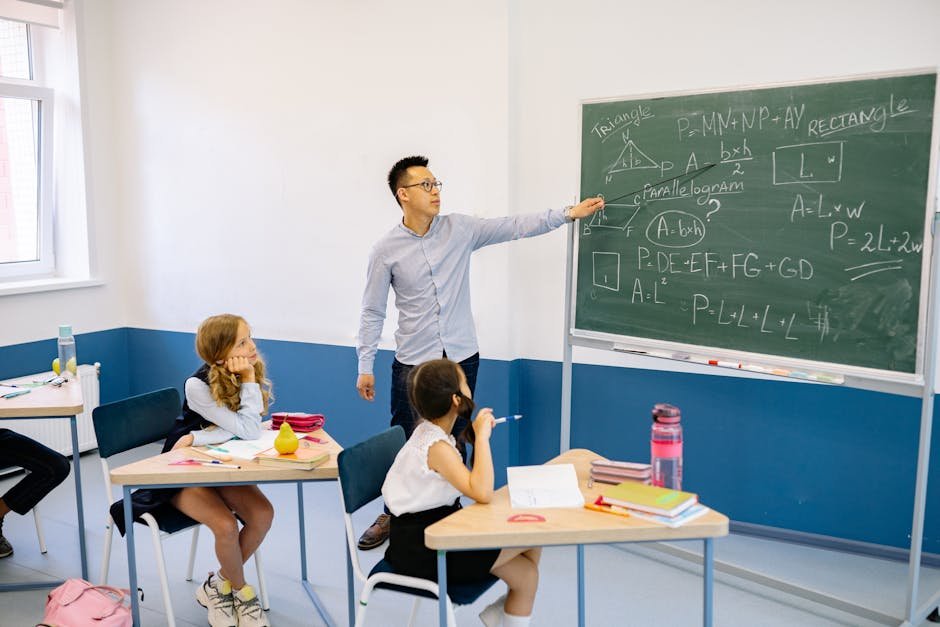
YouTube has become a treasure trove of educational resources, especially for elementary school children learning math. While there are thousands of math channels available, the challenge lies in discerning which ones truly enhance learning and which ones may even be counterproductive. Let’s explore how to select the best YouTube math channels for your child.
Understanding Your Child’s Learning Needs
Before diving into the vast world of YouTube math channels, it's essential to understand your child's specific learning needs. Each child has a unique learning style, and recognizing this can make a significant difference in their educational journey.
Visual Learners
Children who are visual learners benefit greatly from videos that include diagrams, animations, and visual explanations of mathematical concepts. Look for channels that utilize these elements effectively to engage your child. For instance, channels like "MathAntics" use clear animations to break down concepts such as fractions and decimals, making them accessible and memorable.
Auditory Learners
For children who learn best through listening, channels with clear, articulate explanations and engaging storytelling can be particularly helpful. Ensure the videos maintain a steady pace without overwhelming the child with information. "Numberock" is a great channel that combines catchy songs with math lessons, making it easier for auditory learners to grasp the content.
Kinesthetic Learners
Kinesthetic learners thrive with hands-on activities. While YouTube is inherently a visual and auditory medium, some channels offer suggestions for offline activities that can complement the videos. Look for channels that encourage interactive learning. Channels such as "Math & Movement" provide ideas for integrating physical movement into learning, making math more dynamic and fun.
Key Features of Effective Math Channels
When searching for quality math channels on YouTube, certain features can help identify those that are truly beneficial for elementary students.
Clear, Age-Appropriate Explanations
Seek out channels that provide explanations suitable for your child’s age and comprehension level. The language should be straightforward, and the concepts should be broken down into manageable parts. "Khan Academy Kids" is a wonderful example of a channel that tailors its content to young learners by simplifying complex ideas.
Short and Focused Videos
Children have relatively short attention spans, so videos should ideally be between 5 to 10 minutes long. This duration allows for focused learning without the risk of becoming overwhelming or boring. Channels like "BrainPOP" offer short video clips that succinctly cover a wide range of math topics.
High-Quality Production
While overly flashy videos can be distracting, a certain level of production quality is necessary to keep children engaged. Look for channels with clear audio, steady visuals, and a clean, organized presentation. "TED-Ed" videos, for example, are known for their professional production values that enhance the learning experience.
One Concept Per Video
Effective channels focus on one concept per video, ensuring that children can fully grasp the topic before moving on to the next. This approach prevents information overload and promotes better retention. "Math Mammoth" is a channel that adheres to this strategy by dedicating entire videos to single topics like multiplication or division.
Alignment with the US Curriculum
It’s important that the content aligns with the current US educational curriculum. This ensures that the concepts and methods taught in the videos support what children are learning in school. "LearnZillion" provides curriculum-based content that aligns with Common Core standards, ensuring consistency in learning.
What to Avoid
Just as there are features to look for, there are also red flags that indicate a channel may not be beneficial for your child’s learning.
Distracting Editing Styles
Hyper-edited videos with constant cuts and transitions can be distracting and make it difficult for children to concentrate on the actual content of the lesson. Channels that focus more on the presentation than the teaching can detract from learning.
Excessive Cartoon Humor
While a little humor can be engaging, channels that prioritize entertainment over education often lack substantial math content. Ensure that the humor does not overshadow the lesson itself. A good balance is essential for maintaining educational integrity.
Push for Paid Courses
Be wary of videos that end with a hard sell for a paid course or product. The primary goal should be educational value, not sales. Educational resources should be primarily focused on learning rather than monetization.
Infrequent Updates
Channels that haven’t posted new content in years may not align with the current curriculum or educational standards. Look for channels that regularly update their content. Active channels are more likely to provide relevant and timely information.
How to Use YouTube Math Channels Effectively
YouTube can be a powerful tool for introducing new math concepts, but it should be used strategically within a broader learning framework.
Introducing New Concepts
Use videos to introduce new topics and spark interest. After watching, discuss the content with your child to reinforce understanding and encourage questions. For example, if your child is learning about geometry, you might watch a video together and then explore shapes around your home.
Complementing Practice
Videos are not a substitute for practice. They should be used alongside traditional methods such as worksheets, textbooks, and hands-on activities to ensure comprehensive learning. Combining video lessons with exercises from a math workbook can solidify understanding.
Combining with Active Recall
Active recall is critical for retaining math concepts. Tools like TimesTablesTrainer can be an excellent complement to videos, focusing on memorization and fluency. Encourage your child to recall what they learned by explaining it back to you or using flashcards.
Case Studies: Real-Life Scenarios
Understanding how other parents and teachers have successfully used YouTube math channels can provide valuable insights.
Case Study 1: The Visual Learner
Emma, a second-grader, struggled with understanding fractions. Her parents found a YouTube channel that used colorful animations to explain the concept. By watching short clips and then practicing with fraction blocks, Emma’s comprehension improved significantly. This combination of visual learning and tactile practice helped reinforce her understanding.
Case Study 2: The Auditory Learner
Jack, a fourth-grader, excelled in math when he could listen to explanations. His teacher recommended a channel with clear, narrative-style lessons. Jack watched the videos before class discussions, which helped him stay engaged and participate more actively. This method allowed Jack to absorb information at his own pace before applying it in class.
Case Study 3: The Kinesthetic Learner
Sophia, a third-grader, was a hands-on learner. Her parents found a channel that offered suggestions for interactive math games and activities. By combining video lessons with physical activities, Sophia’s interest and understanding of math concepts grew. Engaging her body and mind simultaneously made learning more effective and enjoyable.
Actionable Tips for Parents
Parents play a crucial role in guiding their child's use of YouTube as an educational tool. Here are some strategies to enhance learning:
- Watch videos with your child to facilitate discussions and answer questions immediately. This involvement shows that you value their learning and are there to support them.
- Create a schedule that includes a mix of video learning, practice problems, and interactive activities. A balanced routine can prevent burnout and keep your child engaged.
- Regularly evaluate the channels your child watches to ensure content quality and educational value. This ensures that they are exposed to beneficial and relevant content.
- Encourage your child to teach back what they’ve learned to reinforce their understanding. This technique, known as the Feynman Technique, helps deepen their comprehension.
- Use videos as a reward for completing traditional homework assignments. This approach can motivate your child to complete less engaging tasks.
When circumstances differ
Every child is unique, and special circumstances may require tailored approaches to using YouTube for math learning.
Test Anxiety
For children with test anxiety, calming videos that break down concepts into simple steps can help reduce stress. Encourage practice in a low-pressure environment to build confidence. Channels that offer step-by-step problem-solving can demystify the test-taking process.
ADHD
Children with ADHD may benefit from short, engaging videos that hold their attention. Look for channels that incorporate interactive elements and provide frequent breaks. Videos with clear instructions and predictable structures can help maintain focus.
Gifted Learners
Gifted children often seek out more challenging material. Find channels that offer advanced concepts and encourage exploration beyond the standard curriculum. Consider channels that delve into math puzzles or real-world applications to keep them stimulated.
Dyscalculia
Children with dyscalculia may need videos that use visual aids and step-by-step explanations to simplify complex concepts. Seek out resources specifically designed for learning difficulties. Channels that offer repeated practice and alternative strategies can be particularly helpful.
Talking to Your Child's Teacher
Collaboration with educators can enhance the effectiveness of YouTube as a learning tool. Open communication ensures that both home and school learning environments are supportive.
Discussing Channel Choices
Engage in conversations with your child's teacher about which YouTube channels they recommend. Teachers can provide insights into what aligns with classroom activities and learning goals.
Providing Feedback
Share feedback with your child's teacher about how different channels impact your child's learning. This dialogue can help teachers adjust their recommendations based on your child's needs and responses.
Integrating Home and School Learning
Work with the teacher to integrate YouTube resources into homework or classroom activities. This approach can create a cohesive learning experience that spans both environments.
A Weekly Routine for Math Learning
Establishing a routine can help structure your child's YouTube learning experience. Here's a sample weekly plan:
- Monday: Watch a video introducing a new concept. Discuss it together and jot down any questions.
- Tuesday: Use a worksheet or hands-on activity to practice the new concept.
- Wednesday: Watch a related video that offers a different perspective or application of the concept.
- Thursday: Engage in an interactive game or activity that reinforces learning.
- Friday: Review the week's content. Have your child teach back what they've learned, or explore an advanced topic if they're ready.
- Weekend: Encourage exploration of math in everyday life, such as cooking or shopping, to apply concepts in real-world scenarios.
When to Seek Outside Help
Sometimes, YouTube and at-home resources might not be enough. Knowing when to seek additional support can make a significant difference in your child's math education.
Recognizing Struggles
If your child consistently struggles despite using multiple resources, it might be time to consider additional support. Persistent frustration or a lack of progress are signs that professional help may be needed.
Seeking Tutoring
Math tutors can offer personalized instruction tailored to your child's specific needs. They can provide targeted practice and strategies that complement video learning.
Consulting Educational Psychologists
For persistent difficulties or learning disorders like dyscalculia, consulting an educational psychologist can provide insights and strategies for effective learning.
Wrap-Up: Choosing the Right Math YouTube Channels
In the digital age, YouTube offers a wealth of opportunities to enhance your child’s math education. By carefully selecting channels that align with your child’s learning style and educational needs, you can create a rich, engaging learning experience that complements their schoolwork. Remember to balance video learning with other educational activities, and maintain open communication with your child and their teachers to ensure a comprehensive approach to math education. With the right resources and strategies, you can help your child build a strong foundation in math and foster a lifelong love of learning.
Parents often ask
How much screen time is appropriate for my child?
It's recommended that children aged 6 and older have consistent limits on media use. Aim for a balance between screen time and other activities, ensuring that it does not interfere with sleep, physical activity, or face-to-face interactions.
Can YouTube really replace traditional math teaching?
While YouTube is a valuable supplementary resource, it should not replace traditional math teaching. It works best as part of a diverse learning strategy that includes direct instruction, practice, and interactive learning.
How can I ensure my child is learning and not just watching videos?
Engage with your child by discussing the videos and encouraging them to explain what they've learned. Integrate videos with practice activities and regular review sessions to reinforce learning.
What if my child prefers entertainment videos over educational ones?
Strike a balance by setting clear rules for educational video time and entertainment video time. Encourage your child by linking the concepts learned in educational videos to their interests.
Are there any specific channels for bilingual learners?
Yes, channels like "Basho & Friends" offer bilingual learning experiences that can be particularly beneficial for ESL students or those learning a second language.
What should I do if my child gets bored quickly?
Look for channels that offer interactive or gamified learning experiences. Plus, mixing up activities and incorporating hands-on projects can help maintain your child's interest.
