Veerle Dielen · Elementary teacher · January 27, 2026 · Tools & Resources
Themed Multiplication Flashcards: Learning with Pictures and Stories
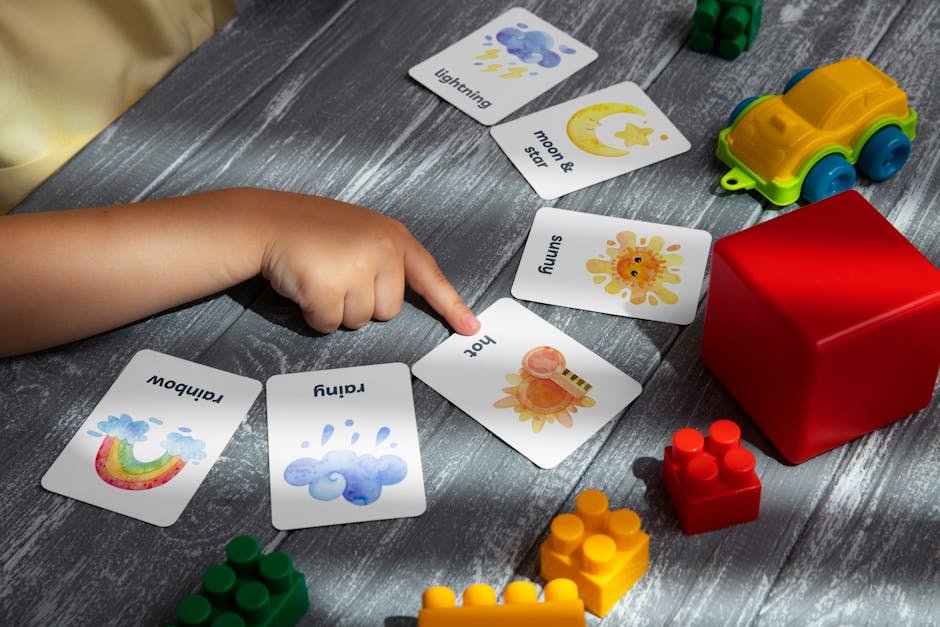
Plain flashcards work, but plain flashcards are also a little boring. Themed flashcards (animals, sports, space, dinosaurs, you name it) add a visual layer that helps kids remember the facts. Here's why themes help and how to make your own or buy good ones.
Understanding How Themes Enhance Memory
The brain tends to store facts more effectively when they are associated with visual cues or thematic hooks. A theme provides those hooks. For instance, a multiplication flashcard featuring a friendly cheetah character, "Speed Cat the 7s Racer," creates a vivid mental image that mere numbers cannot produce. This is particularly beneficial for visual or imaginative children. The cheetah becomes a mnemonic device, reminding them of the 7s, and thus, the multiplication fact is memorized along with it.
Engagement Through Themes
Themes not only aid memory but also maintain children's engagement. A stack of plain cards can become monotonous by the 20th card. However, a pack featuring dinosaurs or outer space continues to captivate because there is always a new, interesting picture waiting to be discovered. This ongoing engagement is crucial for sustained learning.Consider the theme of outer space: each card might have a different planet or celestial object. As children flip through these cards, they're also traveling through the solar system, making each multiplication fact an adventure. This kind of engagement turns learning from a chore into an exploration.
Creating Your Own Themed Flashcards
Creating themed flashcards can be a fun and educational activity for both parents and children. It encourages creativity while reinforcing multiplication facts.
Steps to Make Themed Flashcards
- Choose a Theme: Select a theme that excites your child, whether it's ocean animals, soccer, princesses, planets, or monster trucks. For example, if your child loves dinosaurs, each card could feature a different dinosaur, associating a specific multiplication fact with each one.
- Gather Materials: Purchase or print blank index cards, ideally 3x5 inches. You might also want colored pencils, markers, and stickers related to your theme.
- Design the Cards: Write the multiplication fact on one side and the answer on the other. Keep it simple and clear. Consider adding a fun fact about the theme on each card to add more context and interest.
- Add Visual Elements: Include a small themed sticker or doodle on each card. Artistic skills aren't necessary; even a simple shape can make a difference. For instance, a child who loves sports might enjoy cards with small drawings of soccer balls or basketballs.
- Use Color Coding: Different colors for different tables (6s on blue, 7s on green, 8s on red) act as recall anchors. This color-coding can help children quickly identify which set of facts they're working on.
- Involve Your Child: Creating the cards together serves as a practice session and builds a sense of ownership and accomplishment. Let them pick the colors or draw the doodles. This involvement can make them more eager to use the cards later.
Buying Versus Making Flashcards
When it comes to themed multiplication flashcards, parents have the option to buy ready-made cards or create their own. Each choice has its advantages and considerations.
Advantages of Ready-Made Flashcards
- Convenience: They are readily available and save time. If you have a busy schedule, purchasing a set can be a quick solution to getting started.
- Durability: Typically, they are made from high-quality materials and can withstand frequent use. This is especially important if you plan to use them over several years or with multiple children.
- Professional Design: The graphics are usually polished and appealing. This can be particularly engaging for children who are drawn to bright colors and professional illustrations.
Benefits of DIY Flashcards
- Cost-Effective: Making your own cards is generally less expensive. You can use materials you already have at home, which can be a budget-friendly option.
- Customization: You can tailor the theme to exactly match your child's interests. This personalization can make a significant difference in a child's enthusiasm for using the cards.
- Personal Involvement: The act of creating the cards is itself a learning process. As you and your child write out the multiplication facts, you're reinforcing the learning through repetition.
For many families, a hybrid approach works best: using a purchased set for regular drills and DIY cards for challenging facts that require extra attention. This way, you benefit from the durability and design of professional cards while also incorporating personalized elements that can make learning more effective.
Case Studies: Real-Life Scenarios
Let's explore some typical scenarios that parents might encounter when helping their children learn multiplication tables.
Case Study 1: The Reluctant Learner
Jessica, a second grader, found multiplication daunting. Her parents noticed she enjoyed drawing and animals. By incorporating animal-themed flashcards she designed herself, Jessica became more engaged. The process of creating and using these cards transformed her attitude toward math. Her parents also introduced a reward system, where completing a set of cards with correct answers earned her a sticker on a chart. This small incentive further motivated her to participate actively in her learning.
Case Study 2: The Visual Learner
Tom, a third grader, struggled with memorizing multiplication tables. His parents discovered that using space-themed flashcards helped. The visual imagery of planets and rockets made the numbers more relatable, and Tom's multiplication skills improved significantly. They noticed that when he was stuck, he would visualize the rocket associated with a number to recall the fact. This visualization technique became a powerful tool in his learning arsenal.
Tips for Different Age Groups
Approaches to learning multiplication vary depending on the child's age and grade level.
Grades K-2
- Focus on introducing numbers and simple concepts. Begin with addition and subtraction to lay the groundwork for multiplication.
- Use manipulatives like counting blocks alongside themed flashcards. These tangible items can help children understand the concept of groups and repeated addition, which is foundational for multiplication.
- Incorporate songs and rhythmic counting games to build a foundation. For example, sing songs that count by twos or fives to introduce the idea of skip counting, an essential multiplication skill.
Grades 3-4
- Begin to emphasize memorization of multiplication facts. At this stage, children should start learning to recall facts quickly and accurately.
- Encourage the use of themed flashcards for visual reinforcement. This can be particularly effective for children who are beginning to read more independently and enjoy visual storytelling.
- Integrate multiplication into daily activities, such as counting items during shopping. Asking questions like, "If we buy 3 packs of juice with 4 boxes each, how many boxes do we have in total?" can bring practical application to the facts they're learning.
Grades 5-6
- Concentrate on speed and accuracy in solving multiplication problems. Timed quizzes can help improve both speed and recall.
- Use interactive apps like TimesTablesTrainer for practice. These apps often include games and challenges that make learning fun and competitive.
- Introduce multi-step problems that incorporate multiplication facts. Problems that require multiple operations can help students understand the real-world application of multiplication.
Common Mistakes to Avoid
When teaching multiplication, there are several common pitfalls parents should avoid.
- Overloading with Information: Avoid overwhelming your child with too much at once. Focus on one table at a time. It's better to master one set of facts thoroughly than to have a superficial understanding of many.
- Lack of Consistency: Regular practice is crucial. Inconsistent practice can lead to forgetfulness. A good rule: schedule a specific time each day for math practice to build a routine.
- Ignoring Learning Styles: Not all children learn the same way. Tailor your approach to fit your child's preferred learning style. Some might benefit from visual aids, while others might excel with auditory reinforcement through songs and chants.
Actionable Tips for Parents
Here are some practical tips to make learning multiplication more effective and enjoyable.
- Set aside a specific time each day for multiplication practice. Consistency helps solidify learning habits and create a routine.
- Use a variety of methods, including flashcards, apps, and games, to keep learning fresh. Rotating through different activities keeps children engaged and prevents boredom.
- Celebrate small achievements to encourage and motivate your child. A simple "Great job!" or a sticker on a progress chart can make a big difference.
- Incorporate real-world multiplication problems to show practical applications. Cooking, shopping, and crafting are excellent opportunities to see multiplication in action.
- Regularly review previously learned tables to ensure retention. Periodic review helps transfer facts from short-term to long-term memory.
Handling Special Situations
Every child is unique, and some may face specific challenges when learning multiplication.
For Children with ADHD
Children with ADHD may benefit from short, focused learning sessions. Break down tasks into small, manageable parts and provide frequent breaks. Use movement-based activities to maintain engagement. For example, combine flashcard drills with physical activities like jumping jacks to burn off energy and keep focus.
For Gifted Children
Gifted children may become bored with repetition. Challenge them with advanced multiplication problems and encourage exploration of concepts beyond their grade level. They might enjoy exploring the history of numbers or tackling real-world problems that require creative thinking and application of multiplication.
For Children with Dyscalculia
For children struggling with dyscalculia, consider using multisensory learning techniques. Tools like tactile manipulatives and visual aids can be beneficial. Collaborate with teachers to develop an individualized plan. Apps designed for dyscalculia can provide additional support and practice in a game-like format, making learning more accessible and less intimidating.
A Weekly Routine for Multiplication Practice
Establishing a routine can make multiplication practice more manageable and effective.
Monday: Introduction and Review
Start the week by introducing a new multiplication table and reviewing the previous week's facts. Use themed flashcards for a fun start.
Tuesday: Interactive Learning
Use educational apps and online games to reinforce the new multiplication table. Allow 15-20 minutes of screen time focused on multiplication games.
Wednesday: Hands-On Practice
Incorporate real-world activities that involve multiplication. Cooking recipes or sorting objects can provide practical practice.
Thursday: Creative Application
Encourage your child to create a short story or comic strip using the multiplication facts. This creative process aids retention.
Friday: Quiz and Reflect
End the week with a short quiz to assess understanding. Reflect on the week's learning and set goals for the next week.
Talking to Your Child's Teacher
Building a partnership with your child's teacher can be immensely beneficial.
- Schedule regular meetings to discuss your child's progress and any concerns you have. Teachers can provide valuable insights and resources.
- Ask for recommendations on resources or strategies that align with the classroom's teaching methods. Consistency between home and school can enhance learning.
- Volunteer for math-related activities at school to observe how your child learns in a classroom setting. This can provide ideas for home practice.
Long-Term Perspective on Learning Multiplication
Multiplication is a fundamental math skill that lays the groundwork for more complex mathematical concepts. Developing a strong understanding of multiplication during elementary school is crucial for future academic success. Encourage your child to view multiplication as a stepping stone to learning fractions, algebra, and beyond. This perspective helps children appreciate the importance of what they're learning and how it applies to real-world situations.
Conclusion: The Journey of Learning Multiplication
Teaching multiplication to elementary school children in the US is a journey filled with challenges and rewards. By incorporating themed flashcards and engaging learning techniques, parents can help their children overcome obstacles and develop a strong foundation in mathematics. Remember to celebrate progress, no matter how small, and tailor your approach to suit your child's unique needs. With patience, creativity, and consistent practice, multiplication can become an enjoyable part of your child's educational journey.
What parents want to know
How often should my child practice multiplication?
Daily practice is ideal, even if it's just for a short period. Consistency helps reinforce memorization and builds confidence over time.
What if my child doesn't enjoy using flashcards?
If flashcards aren't appealing, try other methods like apps, songs, or hands-on activities. Explore different resources to find what captures their interest.
How can I tell if my child is progressing?
Regularly test your child's recall of multiplication facts and observe their ability to solve problems quickly and accurately. Improvement in speed and accuracy is a good indicator of progress.
When should I introduce multiplication to my child?
Introduce multiplication concepts as early as kindergarten using simple groups and skip counting. Formal multiplication learning typically begins in second or third grade.
What should I do if my child struggles with multiplication?
Identify specific areas of difficulty and address them with targeted practice. Consider working with a teacher or tutor if needed to provide additional support.
