Veerle Dielen · Elementary teacher · February 15, 2026 · Tools & Resources
Times Table Flashcards: How to Use Them Smartly
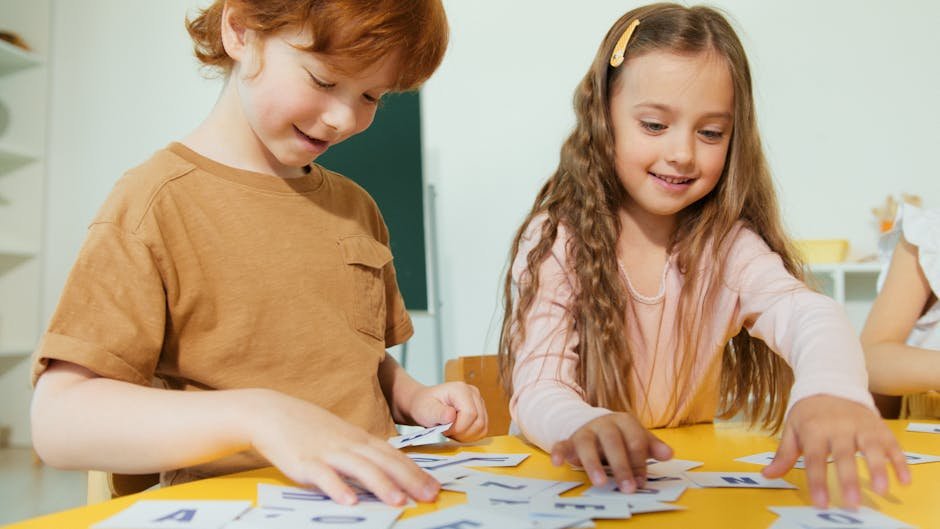
Flashcards are one of the oldest learning tools, and they are still one of the most effective for teaching times tables. When used correctly, they can help children build solid, fast recall of multiplication facts. However, using them incorrectly can lead to frustration and burnout. Below are comprehensive strategies to make flashcards work effectively for your child's learning experience.
Understanding Why Flashcards Work
Flashcards excel in promoting active recall, a crucial process in memory building. Active recall requires your child to retrieve an answer from memory rather than merely recognizing it on a page. This mental exercise is what transforms facts into automatic knowledge. For instance, when your child flips a card and answers "6 x 7 = 42," they engage in the type of mental work that solidifies this fact in their long-term memory. Studies have shown that active recall strengthens neural pathways, making it easier for children to access information when they need it, such as during tests or while solving math problems in class.
The Science of Memory
When children repeatedly practice active recall, they are essentially training their brains to store and retrieve information more efficiently. This method is far more effective than passive study techniques, such as reading or listening, where information might not be processed deeply enough to be retained. By engaging with flashcards, children actively participate in their learning, which increases focus and retention.
Starting Small for Big Gains
One of the biggest mistakes parents make is overwhelming their children with too many flashcards at once. Instead, begin with a manageable number, such as five or ten cards. Focus on ensuring these are well-mastered before adding more. A small stack of thoroughly learned cards is far more beneficial than a large stack that is only partially understood.
Case Study: Learning Step by Step
Consider Emily, a third-grader who initially struggled with her multiplication tables. Her parents started with just five flashcards, focusing on the 2s multiplication table. Once Emily mastered these, they gradually introduced the 3s and 4s. This incremental approach helped Emily gain confidence and eventually led to her mastering all the tables by the end of the school year. Emily's story highlights the importance of pacing learning to match a child's comfort level, avoiding overwhelm, and fostering self-assurance.
Sorting Flashcards into Three Piles
Sorting flashcards into three piles can significantly enhance their effectiveness. As you go through cards with your child, categorize them as follows:
- Pile 1 (Known): Cards answered quickly and confidently.
- Pile 2 (Almost): Cards where the answer was correct but took time or included hesitation.
- Pile 3 (Stuck): Cards where the answer was wrong or unknown.
Focus most of your drilling on Pile 3, touch Pile 2 during every session, and review Pile 1 just enough to keep it fresh. This method offers a form of spaced repetition without needing any digital tools, ensuring that your child builds a strong foundation before moving on to more complex problems.
Practical Example: The Power of Organization
In a study group of fourth-graders, those who used the three-pile method showed a 30% improvement in recall compared to those who did not. This approach helps children prioritize their learning and target areas that need the most attention. The three-pile method is like a personalized roadmap for learning, guiding children through unfamiliar landscapes until they become familiar territory.
The Benefits of Using Both Sides of Flashcards
Writing the question on one side and the answer on the other allows for versatile learning. Some children benefit greatly from flipping between questions and answers, helping them recognize multiplication facts from either direction. For instance, asking "What is 7 x 8?" is one exercise, while "What times what gives 56?" is another. This method also introduces the concept of inverse operations, a crucial skill in more advanced math.
Case Study: Double-Sided Success
James, a fifth-grader with ADHD, found that flipping cards back and forth increased his engagement with the material. This method also helped him see the connections between multiplication and division, further enhancing his mathematical understanding. By recognizing these relationships, James was able to develop a more comprehensive view of math concepts, which aided his overall learning process.
Keeping Sessions Short and Sweet
Short, focused sessions are far more effective than long, exhausting ones. Aim for five-minute sessions instead of fifteen. The brain remains sharp in shorter bursts, and long sessions often lead to diminishing returns, where the last few facts barely register. These brief sessions are more likely to fit into a busy day and are less daunting for children, making them more likely to participate willingly.
Example: The Five-Minute Rule
Jessica, a second-grader, improved her recall by switching to shorter sessions. Her parents noticed that she retained information better and was less resistant to practicing her times tables, leading to better performance in her math class. By incorporating quick, daily reviews, Jessica found math practice to be a fun and manageable part of her routine.
Mixing Old Cards with New Ones
Every session should include a few cards that your child already knows well. This strategy offers quick wins that boost confidence and motivation. Then, introduce two or three new cards to keep things challenging. This mix prevents boredom and frustration, creating a balanced learning experience that combines review with new learning.
Case Study: Preventing Boredom
In a classroom of third-graders, those who practiced mixed sets of old and new flashcards showed greater enthusiasm and improved recall compared to students who only practiced new or known cards. This method keeps the learning dynamic and engaging, and it mirrors real-life scenarios where known and unknown information is often presented together.
Timing Sessions for Mastery, Not Pressure
Once your child knows a stack well, challenge them to see how quickly they can go through the cards. The goal is to beat their own time, not someone else's. Speed is a sign that recall is becoming automatic, and it can make practice more enjoyable. This approach adds a gamified element to learning, making it a fun challenge rather than a chore.
Example: Racing Against the Clock
Tommy, a fourth-grader, turned flashcard practice into a game by timing his sessions. His personal best time motivated him to improve, and he found himself eager to practice without being prompted by his parents. This self-motivation is crucial for developing independent learning habits.
Creating Personal Flashcards
Store-bought flashcards are effective, but homemade ones have a personal touch. Use index cards or sticky notes, and let your child decorate them. Cards that your child helps create are often seen as more engaging and can increase their willingness to practice. Personalization can make the learning process more meaningful and enjoyable.
Case Study: Crafting for Success
Audrey, a first-grader, loved making her own flashcards. Her creativity in decorating them made her more eager to use them regularly, leading to better engagement and faster learning. This hands-on activity also serves as a break from traditional study methods, adding variety to the learning process.
Exploring Digital Alternatives
While physical flashcards are great, they are not always portable. Digital practice quizzes offer the same active recall on a phone or tablet, complete with instant feedback and built-in tracking features. These digital tools can be a modern complement to traditional flashcards, providing flexibility and convenience for busy families.
Example: Going Digital
For children like Sam, a tech-savvy sixth-grader, digital flashcards provided an engaging way to practice on the go. The instant feedback helped him correct mistakes immediately, enhancing his learning efficiency. Digital platforms often include interactive elements, such as games and leaderboards, which can further motivate children to practice.
Common Mistakes to Avoid
While flashcards are effective, certain pitfalls can reduce their effectiveness. Avoid overwhelming your child with too many cards at once. Don’t let sessions drag on for too long, as this can lead to burnout. Also, ensure that practice is consistent but varied to keep your child engaged. It's crucial to monitor your child's reactions and adjust methods accordingly to maintain a positive learning experience.
Example: Overcoming Pitfalls
The Williams family initially struggled with flashcard practice, as their son, Alex, felt overwhelmed. By reducing the number of cards and shortening the sessions, Alex was able to engage more effectively and improve his recall. This adjustment helped Alex feel more in control of his learning, reducing frustration and increasing his enthusiasm.
Actionable Tips for Effective Flashcard Use
- Start with a small, manageable set of cards.
- Sort cards into known, almost known, and stuck categories.
- Use both sides of the cards for versatile learning.
- Keep sessions short and focused.
- Mix familiar cards with new ones for balanced practice.
- Time sessions for fun, not pressure.
- Create personal, engaging flashcards with your child.
- Incorporate digital alternatives for on-the-go practice.
- Maintain a consistent practice schedule.
- Communicate with your child’s teacher for insights and support.
For unique situations
Different children have different needs. For those with test anxiety, ensure practice sessions are stress-free and encouraging. Children with ADHD may benefit from shorter, more frequent sessions. Gifted children can be challenged with more advanced multiplication problems, while those with dyscalculia may need slower, more repetitive practice. Tailoring the learning experience to fit each child's unique needs can greatly enhance their success.
Example: Tailoring to Needs
Katie, a fourth-grader with dyscalculia, needed a more patient approach with extra repetition. By focusing on the three-pile method and using both digital and physical flashcards, her parents were able to create a supportive learning environment that helped her succeed. This individualized approach allowed Katie to progress at her own pace, building confidence along the way.
Talking to Your Child's Teacher
Collaborating with your child's teacher can provide valuable insights into effective learning strategies. Teachers can suggest specific areas of focus and offer additional resources. Regular communication ensures that both home and school efforts align for the child's benefit. Teachers may also provide updates on classroom progress, helping to tailor home practice effectively.
Example: A Collaborative Approach
The Johnson family worked closely with their son’s teacher to develop a customized practice plan. By sharing insights and progress, they were able to support their son’s learning journey effectively, leading to significant improvements in his multiplication skills. This partnership created a consistent support system that reinforced learning across different environments.
When to Seek Outside Help
Sometimes, despite best efforts, children may struggle with multiplication tables. This can be due to various factors, including learning disabilities or gaps in foundational knowledge. If progress stalls, it may be time to seek outside help, such as a tutor or educational therapist. Professional assistance can provide targeted support, addressing specific challenges and fostering a deeper understanding.
Recognizing the Signs
If your child consistently struggles with the same multiplication facts, shows signs of frustration, or expresses a strong dislike for math, consider consulting a specialist. They can assess learning needs and suggest interventions that can make a significant difference in your child's educational journey.
Long-term Perspective: Building Lifelong Skills
Mastering multiplication tables is more than just a school requirement; it is a life skill that lays the foundation for future math success. Consistent practice with flashcards not only improves multiplication skills but also enhances problem-solving abilities and overall confidence in math. A good rule: focus on the long-term benefits of solid multiplication skills, such as improved performance in math-related subjects and everyday life.
Example: Beyond the Classroom
Many students who master their multiplication tables early find math classes less daunting and are better prepared for more advanced topics like fractions and algebra. This foundation can lead to a more positive attitude towards math throughout their education. Even better, these skills are applicable in real-world situations, such as budgeting or measuring, making them valuable beyond the classroom.
Reader questions
How often should my child practice with flashcards?
Daily practice is ideal, but even a few times a week can make a significant difference. Aim for consistency to reinforce learning and build confidence in multiplication skills.
Are digital flashcards as effective as physical ones?
Both digital and physical flashcards have their benefits. Digital flashcards offer convenience and interactive features, while physical cards provide a tactile experience that some children prefer. Using a combination of both can offer the best of both worlds.
What if my child gets frustrated with flashcards?
If your child feels frustrated, take a break or reduce the number of cards. Try to keep sessions light and fun, and consider introducing game-like elements to maintain engagement.
Can flashcards help with other math concepts?
Absolutely. Once your child masters multiplication, flashcards can be adapted for other math topics, such as division, fractions, and even algebraic expressions.
How do I know if my child is ready to move on from flashcards?
When your child can quickly and accurately recall multiplication facts without hesitation, they may be ready to advance to more complex math challenges. However, occasional review with flashcards can help maintain this skill.
Wrapping up
Using flashcards smartly can transform the way your child learns multiplication tables, turning a potentially frustrating task into an enjoyable and rewarding experience. By starting small, using effective strategies, and tailoring the approach to your child's needs, you can help them achieve mastery and set them up for future success in math and beyond. Remember, the goal is to make learning both fun and effective, ensuring that your child develops a solid understanding of multiplication that will serve them well in the long run.
