Veerle Dielen · Elementary teacher · April 1, 2026 · Tools & Resources
Calculators and the Times Tables: When to Allow Them
Understanding the Role of Calculators in Learning
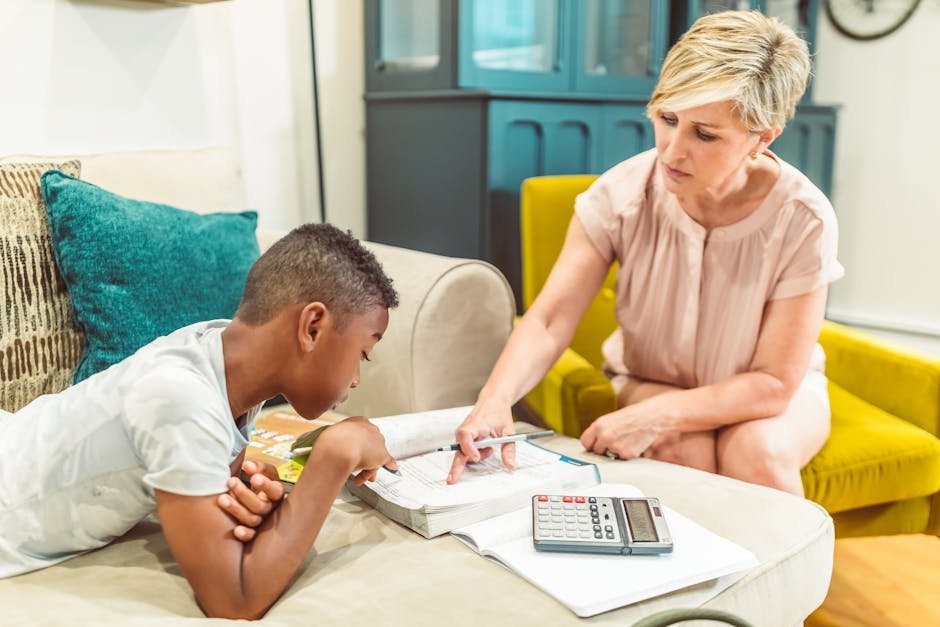
Parents often find themselves wondering: should I allow my child to use a calculator for basic multiplication? The straightforward answer is no, especially when it comes to learning foundational multiplication facts. However, the complete picture involves understanding when calculators can be beneficial and when they might hinder learning. This guide is designed to help American parents and teachers navigate this topic, ensuring that calculators are used effectively and appropriately in the learning process.
The Importance of Memorizing Multiplication Tables
Building Long-term Mathematical Fluency
The process of becoming fluent with multiplication tables involves repeated recall of each fact until it becomes automatic. This automatic recall strengthens the memory each time the fact is retrieved. If children consistently use calculators instead of recalling facts, they miss the opportunity to build this crucial memory foundation. For instance, if a child relies on a calculator for 7 x 8 every time, they will still need it in sixth grade. In contrast, a child who regularly practices recalling the fact will have it stored permanently within weeks. Think of it like learning to ride a bike: once you know it, you hardly need to think about it.
Impact on Future Mathematical Learning
Fluency in basic multiplication is essential because many advanced math concepts, such as long division, fractions, percent calculations, and algebra, rely on the automatic recall of these basic facts. A child who frequently resorts to a calculator for each step never develops the speed and confidence required for these topics. For example, solving a fraction problem quickly becomes cumbersome if the child has to calculate each multiplication step with a calculator. Imagine trying to write a story but having to look up every other word in the dictionary; it disrupts the flow and makes the task more daunting.
When Calculators Can Be Beneficial
Calculators aren't the enemy; they can be incredibly helpful in certain contexts. Here are some situations where their use is appropriate:
- Multi-digit calculations: When the primary focus is understanding a new concept, like calculating area or proportions, using a calculator for underlying arithmetic allows the child to concentrate on learning the concept. For example, when introducing area calculations, let them use a calculator to multiply large numbers, so they can focus on understanding what area means.
- Real-world applications: Tasks such as figuring out tips at a restaurant, calculating sale prices, or determining gas mileage benefit from calculator use because the focus is on finding the answer, not practicing facts. For instance, while shopping, children can use calculators to check if a sale item fits within a budget.
- Handling long lists of numbers: When faced with adding a long column of prices, the calculator helps manage the task efficiently without detracting from multiplication practice. This is particularly useful in activities like organizing a school event budget or tracking expenses on a family trip.
- After achieving fluency: Once a child has achieved fluency in multiplication, using a calculator for everything is acceptable. The foundational facts are secure and won't be undone by calculator use. At this stage, calculators become a tool rather than a crutch.
Practical Tips for Teaching Multiplication
Grades K-2: Building Foundations
For children in kindergarten through second grade, it's essential to start with the basics. Focus on helping them understand the concept of multiplication as repeated addition. Use visual aids like counting blocks or arrays to illustrate how multiplication works. Games, songs, and rhymes can also make memorization engaging and enjoyable. For example, singing multiplication songs can transform learning into a fun activity that children look forward to.
Grades 3-4: Reinforcing Knowledge
By third and fourth grades, children should begin to memorize multiplication tables. Encourage daily practice with flashcards or apps designed for multiplication practice. Incorporate fun activities like multiplication bingo or timed quizzes to make practice feel less like a chore. You can also create a multiplication scavenger hunt where children find objects in multiples around the house or classroom.
Grades 5-6: Achieving Fluency
Children in fifth and sixth grades should aim for fluency. Provide opportunities for them to use multiplication in real-world scenarios, such as cooking or budgeting. Encourage them to explain their thought processes to reinforce their understanding. By this stage, calculators can be introduced for checking work but not for initial problem-solving. For instance, while baking, ask them to double a recipe using their multiplication skills before confirming with a calculator.
Common Mistakes to Avoid
When guiding children through learning multiplication, certain pitfalls can hinder progress:
- Over-reliance on calculators: Allowing children to use calculators too soon can prevent them from achieving fluency in basic facts. It's like letting them use training wheels indefinitely.
- Lack of consistent practice: Sporadic practice leads to weak recall. Ensure regular, short practice sessions. Consistency is key, much like practicing an instrument a little each day for steady improvement.
- Skipping foundational concepts: Ensure that children understand multiplication as repeated addition before moving on to memorization. Just as you wouldn't expect a child to run before walking, don't rush past these basics.
- Neglecting to make learning fun: A tedious approach can dampen enthusiasm. Incorporate games and interactive activities to keep engagement high. Use story-based problems or interactive apps to maintain interest.
Actionable Tips for Parents
- Set a daily routine: Dedicate a specific time each day for multiplication practice to build a habit. Consistent timing helps children anticipate and mentally prepare for practice sessions.
- Use real-life examples: Integrate multiplication into daily activities, such as cooking or shopping, to demonstrate its practical use. For instance, ask them to calculate how many apples are needed if each family member eats two a day for a week.
- Create a reward system: Motivate children with a reward system for reaching milestones in their multiplication mastery. This could be as simple as a sticker chart leading to a small prize.
- Leverage technology: Use educational apps and online resources to provide varied and engaging practice. Apps with interactive games can make multiplication practice feel like play.
- Encourage peer learning: Arrange study sessions with classmates to encourage collaborative learning. Group activities can spark friendly competition and shared learning experiences.
When circumstances differ
Addressing Test Anxiety
Test anxiety can hinder a child's performance on multiplication exams. Help them practice relaxation techniques, such as deep breathing or visualization, before tests. Encourage them to view tests as an opportunity to showcase their hard work rather than a source of stress. Create a calm study space and reassure them with positive affirmations.
Supporting Children with ADHD
Children with ADHD may benefit from short, focused practice sessions. Break tasks into smaller steps and use timers to manage time effectively. Movement-based activities, like multiplication hopscotch, can also improve concentration and engagement. Consider using fidget tools to help maintain focus during practice.
Challenges with Dyscalculia
For children with dyscalculia, traditional memorization methods may not be effective. Use multi-sensory approaches, such as touch, sound, and movement, to reinforce learning. Work closely with teachers to adapt materials and methods to meet the child's needs. Consider using number lines or color-coded charts as visual aids.
Collaborating with Schools
Maintaining open communication with your child's teachers is crucial for supporting their learning. Discuss your child's progress and any concerns you have. Teachers can provide additional resources or suggest specific techniques to reinforce learning at home. Participate in parent-teacher conferences to stay informed about your child's strengths and areas for improvement. Consider volunteering in the classroom or attending workshops to gain insights into current teaching methods.
Talking to Your Child's Teacher
Engage with your child's teacher to better understand their progress in math. Set up meetings to discuss specific challenges or strengths your child exhibits. Share observations from home that might help the teacher provide more tailored support. Ask for recommendations on resources or strategies to use at home that align with classroom learning.
In the Classroom vs. At Home
Classroom Strategies
In the classroom, teachers often use group activities and games to reinforce multiplication concepts. Peer interactions and collaborative learning are emphasized, creating a lively atmosphere that encourages participation. Teachers can introduce technology, such as interactive whiteboards, to engage students further.
Home Strategies
At home, the focus can be more individualized. Parents can tailor practice to their child's pace, using tools like flashcards or educational apps. Real-life applications, such as cooking or budgeting exercises, can help solidify concepts learned in school. Home environments allow for quiet, focused practice sessions that complement classroom activities.
The research
Research highlights the importance of foundational math skills like multiplication. Studies show that students with automatic recall of math facts perform better in complex math tasks. Repeated practice and varied teaching methods improve retention and understanding. Research also supports the use of technology in learning, as long as it complements traditional practice rather than replaces it.
Setting up the week
Creating a structured routine can help children consistently practice multiplication:
- Monday: Review multiplication facts with flashcards or a quick quiz.
- Tuesday: Use an educational app for interactive practice sessions.
- Wednesday: Apply multiplication to a real-life task, like cooking or shopping.
- Thursday: Engage in a multiplication game or activity with siblings or friends.
- Friday: Summarize the week's learning with a fun quiz or reward-based challenge.
- Weekend: Optional: Review any challenging concepts or extend learning with creative projects involving multiplication.
When to Seek Outside Help
If your child continues to struggle with multiplication despite consistent practice, it may be time to seek outside help. Consider hiring a tutor who specializes in math or enrolling your child in a learning center. Outside help can provide personalized strategies and additional resources to support your child's learning needs. It's important to address these challenges early to prevent further difficulties in math.
The Long-term Perspective on Math Skills
Developing strong multiplication skills is more than just an academic requirement; it's a foundation for lifelong math success. As children grow, they will encounter increasingly complex math problems that require quick recall of basic facts. By ensuring they have a solid grasp of multiplication early on, you're setting them up for success in higher-level math and everyday problem-solving. A strong math foundation also boosts confidence, encouraging a positive attitude towards learning and academic challenges.
Parents often ask
Is it okay to let my child use a calculator in early grades?
Generally, it's best to avoid calculators in early grades to ensure children develop fluency in basic multiplication facts. However, calculators can be introduced for specific tasks or to check work once the child demonstrates a solid understanding.
How can I make multiplication practice more engaging?
Incorporate games, songs, and real-life applications to make practice fun. Use educational apps or online resources to add variety and interactivity to learning sessions. Encourage friendly competitions or group activities to motivate your child.
What if my child struggles with memorization?
If memorization is challenging, focus on understanding the concept of multiplication and use multi-sensory approaches to reinforce learning. Visual aids, movement-based activities, and interactive tools can help make multiplication more accessible.
Should I be concerned if my child is slower than peers at learning multiplication?
Children learn at different paces, so it's not unusual for some to take longer to master multiplication. Patience and consistent practice are key. If concerns persist, discuss them with your child's teacher for additional support and resources.
Closing thoughts
The decision to use calculators in learning multiplication should be guided by the purpose of the task. When the goal is to learn and memorize facts, calculators should be avoided to ensure the development of fluency. However, they can be useful tools in the right context, such as when exploring new concepts or solving real-world problems. By balancing calculator use and traditional practice, you can provide your child with the skills they need to succeed in math and beyond. Remember, patience and consistency are key, and with the right support, your child can master multiplication and develop a strong mathematical foundation.
