Veerle Dielen · Elementary teacher · April 13, 2026 · Games & Activities
Multiplication Hopscotch: 5 Variations
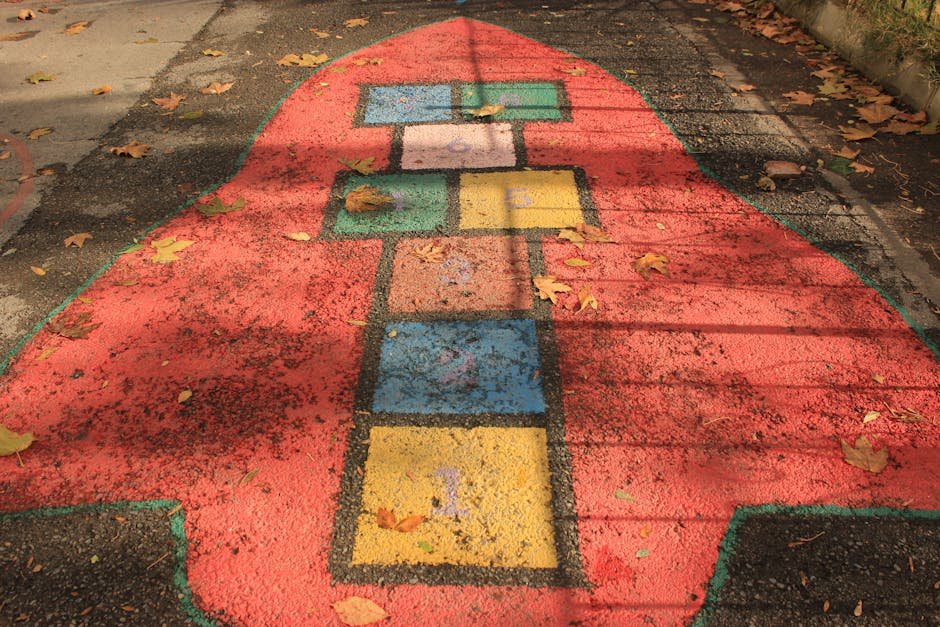
Hopscotch, a classic playground game, has been a staple of childhood play for generations. With a few creative tweaks, it can also become an engaging way to practice multiplication tables. Here, we explore five variations of multiplication hopscotch designed to make learning multiplication fun and effective for elementary school children in the US. These variations can be adapted for different age groups and learning styles, ensuring that every child can benefit from this playful approach to math.
The Basics of Multiplication Hopscotch
Before diving into the variations, let's cover the basics of how to set up and play multiplication hopscotch. All you need is some sidewalk chalk, a flat surface, and a little imagination. Draw a standard hopscotch grid with at least ten squares. Each square can then be filled with numbers or multiplication problems, depending on the variation you choose. This game not only reinforces math skills but also promotes physical activity, making it a win-win for parents and teachers alike.Consider using different colors of chalk to make the grid more appealing. You can also create themed hopscotch grids, such as animals or superheroes, to capture the interest of younger children. For older kids, use more challenging multiplication problems to keep them engaged.
Answer Hopscotch
How It Works
In Answer Hopscotch, each square of the hopscotch grid contains the answer to a multiplication problem. For instance, if you write 12, 24, 35, and so on, the child is required to listen to a multiplication fact you call out, such as "6 times 8," and hop to the square with the correct answer, which in this case is 48.
Case Study: Sarah's Success
Take Sarah, a third-grader who struggled with her multiplication tables. Her mom set up an Answer Hopscotch grid in their driveway. Sarah found that physically jumping to the answers helped solidify her recall of multiplication facts. After a few weeks, her teacher noted significant improvement in her speed and accuracy during math quizzes. Her increased confidence in math also led her to participate more in class, where she began volunteering to solve problems on the board.
Times Table Hopscotch
How It Works
Draw the grid and write the numbers 1 through 10 in each square. The child hops on each square in sequence, shouting the result of that number times the multiplication table you are focusing on. For example, if today is the 7s, and the child lands on 4, they should shout "28."
Tips for Grades K-2
For younger children in kindergarten through second grade, start with simpler tables like the 2s or 3s. Use this variation to build confidence and ensure they understand the concept of multiplication as repeated addition. Incorporate songs or rhymes to help them memorize the tables. For example, when focusing on the 2s, use the tune of a familiar nursery rhyme to sing the multiples.
Race Hopscotch
How It Works
Set up two hopscotch grids side by side. Each child races to hop through their grid, answering a multiplication problem at each square. The first to complete their grid with correct answers wins.
Encouraging Healthy Competition
This variation is perfect for kids who thrive on friendly competition. It encourages quick thinking and helps children to practice their multiplication tables under pressure, similar to a timed test in school. To keep the competition healthy, emphasize the importance of good sportsmanship and congratulate all participants for their efforts and improvements.
Mystery Number Hopscotch
How It Works
In Mystery Number Hopscotch, you think of a number, such as 24. The child must hop only on squares whose numbers are factors of the mystery number. For 24, these factors would be 1, 2, 3, 4, 6, 8, 12, and 24. The child skips squares whose numbers are not factors.
Developing Critical Thinking
This variation not only reinforces multiplication but also introduces the concept of factors, enhancing critical thinking. It's suitable for children in grades 3-4 who are ready to explore more complex math concepts. As children become more comfortable, challenge them with larger mystery numbers or include prime numbers to deepen their understanding.
Sum-Then-Multiply Hopscotch
How It Works
This variation adds a twist for older kids. The child hops on two squares, adds the numbers, and then multiplies by a set factor. This combines arithmetic and multiplication, making it a great choice for students in grades 5-6 who need a challenge.
Advanced Practice for Older Kids
Sum-Then-Multiply is particularly effective for children who have already mastered basic multiplication tables. It encourages them to apply their knowledge in new ways and prepares them for more advanced math topics. This variation can be enhanced by incorporating decimal numbers or fractions for even greater complexity.
Common Mistakes to Avoid
While multiplication hopscotch can be a highly effective learning tool, there are common mistakes that parents and teachers should avoid to ensure the game remains both fun and educational.
Overloading with Information
Avoid cramming too many multiplication facts into a single session. This can overwhelm children and make the activity more confusing than helpful. Focus on one or two tables at a time to ensure mastery before moving on. Create a schedule to gradually introduce new tables, allowing for review and reinforcement of previous ones.
Ignoring the Fun Factor
Don’t forget that the primary goal is to make learning fun. If a child is not enjoying the game, they are less likely to engage with the material. Be flexible and make adjustments to the rules or format to keep the experience enjoyable. You might consider incorporating music or themed days, like "Superhero Multiplication Day," to maintain excitement.
Actionable Tips for Success
- Set a Regular Schedule: Consistency is key. Try to play multiplication hopscotch at least twice a week to reinforce learning. Consider dedicating specific days for hopscotch, such as "Multiplication Monday" and "Tables Thursday."
- Incorporate Breaks: Children have limited attention spans, so include breaks to keep them engaged and prevent frustration. Short breaks with a snack or a quick dance session can re-energize them.
- Use Rewards: Small rewards or incentives can motivate children to participate eagerly and improve their performance. Stickers, extra playtime, or a small prize can serve as effective motivators.
- Get Creative: Use colorful chalk or add themes to the hopscotch grid to make it more visually appealing. Let the children decorate the grid themselves, which can increase their investment in the activity.
- Involve Friends or Siblings: Making it a group activity can increase motivation and make it more enjoyable. Consider hosting a "Multiplication Challenge" day with friends or neighbors to add variety.
Special cases
Test Anxiety
For children who experience test anxiety, multiplication hopscotch can serve as a low-pressure practice method. Encourage them to focus on the fun aspect of the game rather than the fear of getting answers wrong. Use positive reinforcement and remind them that mistakes are a part of learning.
ADHD
For kids with ADHD, the physical activity involved in hopscotch can help channel their energy positively and improve concentration on multiplication tasks. Consider shorter, more frequent sessions and allow for movement breaks to maintain focus.
Gifted Students
Gifted students may find the basic variations too easy. Challenge them with more complex variations like Sum-Then-Multiply, or increase the difficulty by using higher number tables. Encourage them to create their own multiplication challenges or variations of the game.
Dyscalculia
Children with dyscalculia may benefit from the visual and tactile elements of hopscotch. Use this game to gradually build their confidence and understanding of multiplication. Pair them with a learning buddy for additional support, and use visual aids like number lines to reinforce concepts.
Cooperating with Schools
Parents can enhance the benefits of multiplication hopscotch by coordinating with teachers. Share your child's progress and ask for feedback on any areas that may need additional focus. Teachers can also suggest other complementary activities or resources. Consider scheduling a meeting or sending periodic updates to maintain a collaborative effort in supporting your child's learning.
Looking ahead
While multiplication hopscotch is a great tool for immediate learning, it's important to consider the long-term benefits. Developing a strong foundation in multiplication will serve children well as they progress to more advanced math topics in middle and high school. These skills are not only essential for academic success but also for everyday life, from understanding proportions in cooking to managing finances.On top of that, by associating math with fun experiences, children are more likely to develop a positive attitude towards the subject, reducing math anxiety and increasing their willingness to tackle complex problems in the future. Encourage them to see math as a puzzle or challenge, rather than a chore, to foster a lifelong love of learning.
Talking to Your Child's Teacher
Keeping an open line of communication with your child's teacher can provide valuable insights into their progress. Discuss how multiplication hopscotch is being used at home and inquire about its impact on classroom performance. Teachers may offer additional strategies tailored to your child's needs and suggest ways to integrate their learning experiences.Ask the teacher about upcoming math topics or multiplication goals. This allows you to align your at-home activities with classroom objectives, creating a cohesive learning environment that reinforces concepts from multiple angles.
When to Seek Outside Help
If your child continues to struggle with multiplication despite your efforts and those of their teacher, it may be time to seek outside help. Consider enlisting the services of a tutor who specializes in math or educational therapy. They can provide personalized instruction and strategies tailored to your child's unique learning style.Even better, explore community resources such as after-school programs or math clubs that offer additional practice and support. Online resources and educational apps may also provide interactive and engaging ways to reinforce multiplication skills.
What parents want to know
Is hopscotch suitable for all age groups?
Yes, hopscotch can be adapted for different age groups by adjusting the complexity of the multiplication problems and the format of the game. Younger children can start with simpler tables, while older kids can tackle more challenging variations.
How often should we play multiplication hopscotch?
A good rule is to play at least twice a week to reinforce learning. Consistency helps children retain information better and build strong foundations in multiplication.
Can multiplication hopscotch help with math anxiety?
Yes, the game provides a fun, low-pressure way to practice multiplication, which can help reduce math anxiety. By associating math with a positive experience, children are more likely to feel confident in their abilities.
What should I do if my child gets frustrated?
If your child becomes frustrated, take a break and revisit the activity later. Ensure the game is at an appropriate level of difficulty and remind them that it's okay to make mistakes. Encourage them to keep trying and praise their efforts.
How can I make multiplication hopscotch more challenging?
Introduce variations like Sum-Then-Multiply, use higher-number tables, or incorporate additional math operations such as division or fractions. You can also time the game to add an element of speed and challenge them to beat their previous records.
Closing thoughts
Multiplication hopscotch offers a dynamic and enjoyable way to reinforce multiplication skills in children of various ages and learning abilities. By adapting this classic game with creative variations, parents and teachers can provide an effective learning experience that combines physical activity with mental challenges. Whether your child is a budding mathematician or needs extra support, multiplication hopscotch can be customized to meet their needs and help them succeed. So grab some chalk, head outside, and watch as your child's confidence and competence in multiplication grow.
